
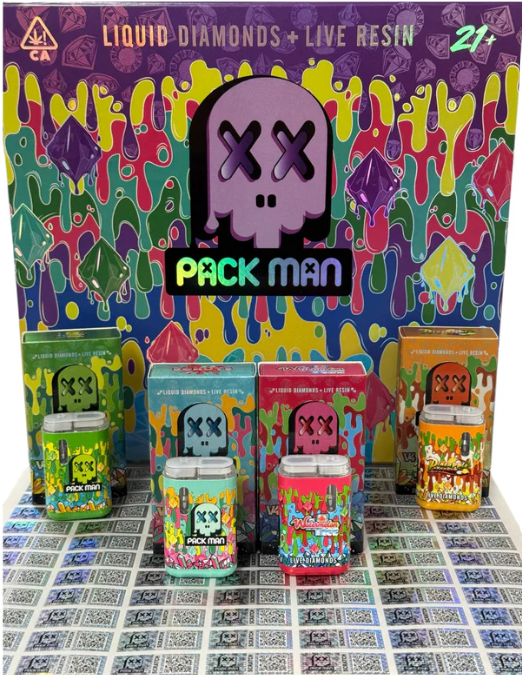
If you’re in the vape or cannabis-packaging business, you’ve probably heard the buzz about empty Fryd carts — disposable-style, brand-styled vape cartridges sold without oil so you can fill them with your own distillate, live resin, or other formulations. This guide explains what they are, who buys them, real-world use, and how to pick the right options for your shop or product line — with practical advice you can use today.
What are empty Fryd carts?
Empty Fryd carts are disposable vape cartridges modeled on the popular Fryd-style disposables (the pre-filled, brand-driven devices many consumers recognize). Manufacturers produce these in 0.5 mL, 1 mL and 2 mL sizes and sell them in bulk (often in 50-pack increments) with no oil inside — ready for a licensed producer or private-labeler to fill and brand. Retailers who sell packaging and industry supplies commonly list them as “empty disposable carts” for businesses.
Why businesses buy empty Fryd carts
-
Branding flexibility: You get a desirable shape/style (the Fryd look) while putting your own strain, potency, and labels on the finished product.
-
Speed to market: Buying pre-built, empty disposables avoids the cost and time of manufacturing chassis and assembly lines.
-
Consistent user experience: Fryd-style disposables are familiar to consumers — they expect a certain draw, battery design, and hit profile.
Common sizes and specs (quick reference)
| Size | Typical use | Notes / production tip |
|---|---|---|
| 0.5 mL | Sample packs, high-value concentrates | Easier to fill; better for thicker extracts |
| 1.0 mL | Standard single-dose product | Good balance of cost and user satisfaction |
| 2.0 mL | Value offerings, long-lasting disposables | Requires careful QC for leak and airflow design |
(Manufacturers list these volumes frequently in OEM product specs.)
How to choose the right empty Fryd carts for your product
1) Match the cartridge capacity to your formulation
Thicker live-resin or rosin may need a wider bore and a ceramic/metal free atomizer; thin distillates fill easier and vape more consistently in standard cores. Check manufacturer specs for compatibility.
2) Prioritize leak resistance and materials
Look for carts with proven seals and appropriate mouthpiece materials (ceramic, PCTG, or metal-free options) to avoid customer complaints.
3) Buy from reliable suppliers and check MOQ & packaging
Many suppliers offer 50-pack or larger bundles; for example, industry packaging suppliers list Fryd-style empty disposables in 50-pack units. Ordering sample packs to test fill and draw before a large purchase is good practice.
4) Consider regulatory and labelling needs
If you plan to fill and sell cannabis products, ensure all cartridges and final packaging meet local regulations (child-resistant packaging, lab results, potency and warning labels, etc.). Your compliance team should review supplier documentation and materials safety data.
Real-world example: turning empty Fryd carts into a private-label hit
Scenario: A small West-Coast brand wanted a “premium fruity disposable” line with three flavors. They purchased three 50-pack styles of empty Fryd carts (0.5 mL for sample, 1 mL for standard, and 2 mL for a long-play variant), tested fills with their terpene blends and live-resin distillate, and ran a 200-unit pilot to collect customer feedback.
Result:
-
The 1 mL size had the best balance of flavor and cost.
-
The 2 mL tanks required a small adjustment to the filling temperature to avoid leakage.
-
Customer reviews called out the familiar Fryd form factor as a reason they bought again — the brand saw a 28% reorder rate from the pilot cohort.
(You can recreate the test at small scale: order sample packs, run a controlled fill + QC, then do a soft launch.) This model mirrors how retailers and private labelers commonly use empty disposables to accelerate product launches.
Best practices for filling and quality control
-
Calibrate your filling line for viscosity and temperature before a full run.
-
Run leak/draw tests on a sample (drop test, pressure test, static draw test).
-
Record batch numbers and material certificates from your supplier for traceability.
-
Test battery/circuit finish: even empty disposables sometimes include small electronics — confirm consistent contact and function after assembly.
Supplier pages and industry vendors provide specs and QC checklists that are worth reviewing before large orders.
Where to buy empty Fryd carts (what to watch for)
-
Reputable packaging suppliers who list Fryd-style empty disposable carts and offer clear pictures/specs. Many show product SKUs and pack quantities (50-pack is common).
-
OEM manufacturers (for very large runs) — can customize mouthpiece, branding, and materials.
When you compare vendors, check: material certificates, MOQ, lead times, sample availability, and whether they provide smell-proof or child-resistant outer packaging if you need it.
Short checklist before you buy
-
Have you tested a sample pack for your oil?
-
Are volumes (0.5/1/2 mL) matched to your pricing strategy?
-
Is the supplier compliant with your local packaging/label rules?
-
Do you have a QC plan for fillings and final units?
-
Have you priced total landed cost (cart + packaging + shipping + compliance)?
Final notes (and a quick brand shoutout)
If you want a ready source for empty Fryd carts to test, packaging merchants list Fryd Donuts / Fryd-style empty disposable carts in 50-pack options (typical price points and inventory updates are posted on packaging sites). Buying an initial small batch from a trusted supplier and running a quick pilot — like the example above — is the fastest way to know what works with your formulation.
 English
Join our community to interact with posts!