
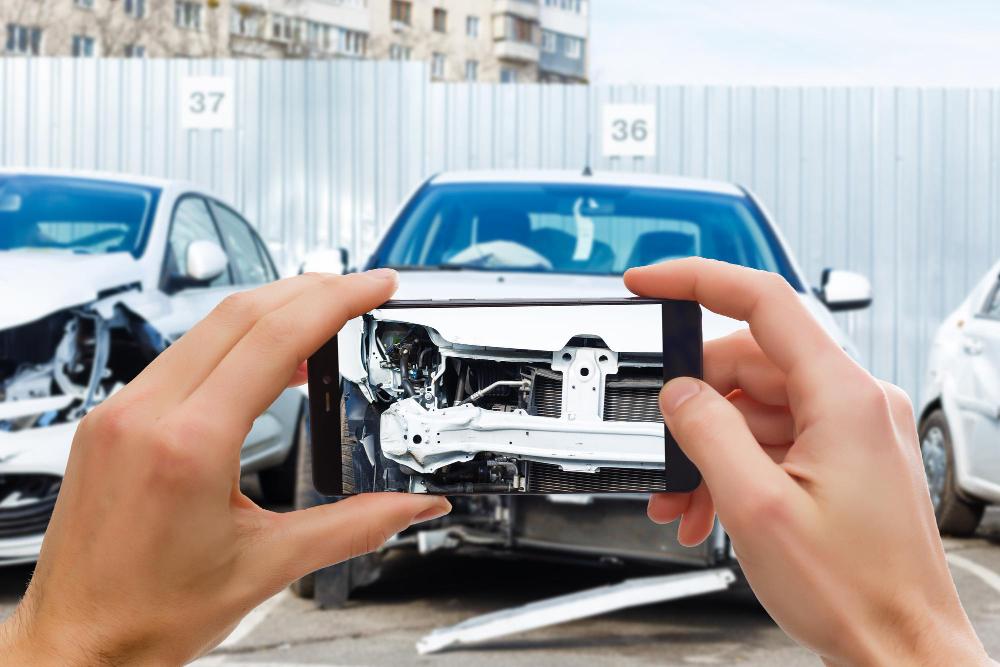
Car accidents can happen when you least expect them—and when they do, one of the first concerns most drivers have is the cost of repairs. Collision repair is not just about fixing dents and scratches; it involves restoring your vehicle’s safety, functionality, and original appearance. Understanding the repair process and the factors that influence costs can help you make informed decisions and avoid unnecessary expenses.
Let’s break down everything you need to know about collision repair costs and processes.
What Is Collision Repair?
Collision repair refers to the restoration of a vehicle after it has been damaged in an accident. This may include fixing structural damage, repairing body panels, repainting surfaces, or replacing broken components.
Modern vehicles are built with advanced materials and safety systems, making professional repair essential to ensure everything functions properly after a crash.
Common Types of Collision Damage
The extent of damage plays a major role in determining repair costs. Typical issues include:
-
Dent and scratch damage
-
Bumper impact damage
-
Frame misalignment
-
Broken headlights or windshields
-
Paint damage or rust exposure
Some damage may be visible, while other issues—such as internal structural problems—require professional inspection.
Steps Involved in the Collision Repair Process
Understanding how repairs are performed can give you clarity about what you’re paying for.
1. Damage Assessment
Technicians begin by inspecting your vehicle to determine the extent of the damage. They evaluate both visible and hidden problems that may affect performance or safety.
2. Cost Estimation
After inspection, a detailed repair estimate is created. This includes labor costs, replacement parts, and painting requirements. Insurance companies often review this estimate before approving repairs.
3. Disassembly
Certain parts of the vehicle are removed to access underlying damage. This step ensures that hidden issues are addressed before repairs begin.
4. Structural Repairs
If the vehicle’s frame or alignment is affected, specialized equipment is used to restore it to factory specifications. Structural integrity is critical for safe driving.
5. Body Panel Repair or Replacement
Damaged panels may be repaired using dent removal techniques or replaced entirely if the damage is severe.
6. Painting and Refinishing
Professional painting restores your car’s original look. Color matching technology ensures the repaired area blends seamlessly with the rest of the vehicle.
7. Reassembly and Quality Check
After repairs, the vehicle is reassembled and inspected to ensure all systems function correctly. Final polishing enhances the finish and appearance.
Factors That Affect Collision Repair Costs
Repair costs can vary significantly based on several factors:
1. Severity of Damage
Minor cosmetic damage costs less to fix, while structural repairs or extensive panel replacement can increase expenses.
2. Vehicle Make and Model
Luxury or newer vehicles often require specialized parts and advanced repair techniques, which may raise costs.
3. Replacement Parts
Using original manufacturer parts typically costs more than aftermarket alternatives but may offer better durability and fit.
4. Labor Charges
Labor rates differ depending on the repair shop’s expertise and location. Skilled technicians may charge more for high-quality workmanship.
5. Paint and Finishing
Multi-layer paint jobs and metallic finishes can increase the cost of refinishing.
Insurance and Collision Repair
Most auto insurance policies cover collision repairs, depending on your coverage. It’s important to:
-
Notify your insurer immediately after an accident
-
Provide photos and documentation
-
Obtain a professional repair estimate
Working with an experienced repair shop that coordinates with insurance companies can streamline the claims process.
How to Save on Collision Repair Costs
While safety should always be your top priority, there are ways to manage expenses:
-
Compare repair estimates from reputable shops
-
Address minor damage promptly
-
Understand your insurance coverage
-
Ask about warranties on repairs
Timely repairs prevent small issues from turning into more costly problems.
Why Professional Repair Matters
Attempting to fix collision damage yourself may seem cost-effective, but improper repairs can affect safety features and long-term performance. Professional technicians use specialized equipment and follow manufacturer guidelines to ensure your vehicle is restored correctly.
Investing in professional collision repair protects both your vehicle and your peace of mind.
Conclusion
Collision repair involves more than just cosmetic fixes—it’s about restoring your car’s safety, performance, and value. By understanding the repair process and the factors that influence costs, you can make confident decisions after an accident.
Choosing experienced professionals and addressing damage promptly ensures your vehicle remains safe and road-ready for years to come.
 English
Join our community to interact with posts!