
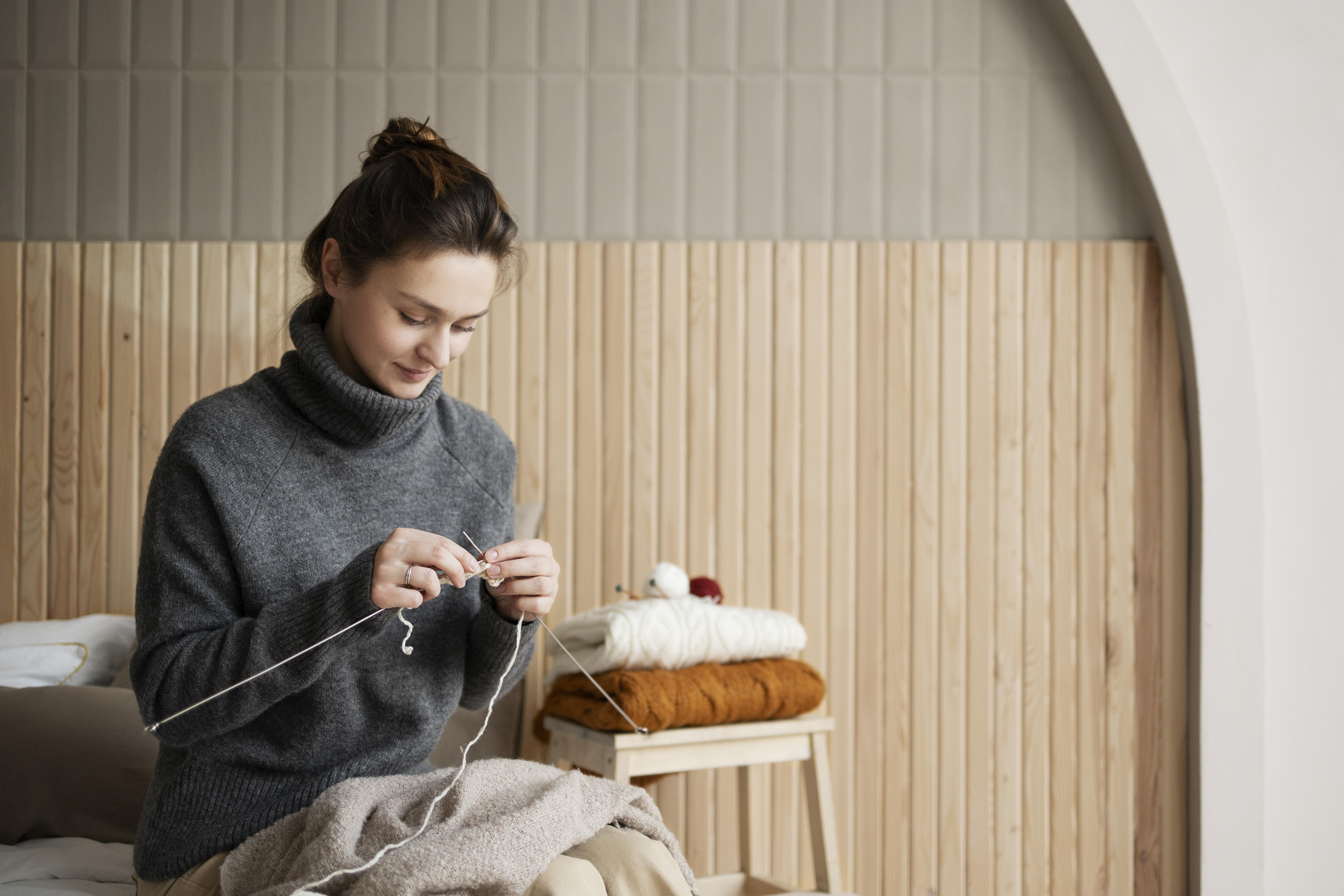
In the global apparel industry, knitwear remains one of the most essential and versatile product categories — from casual T-shirts and sweaters to performance wear and fashion knitwear. For U.S. apparel brands, wholesalers, and importers seeking quality, competitive pricing, and reliable production capacity, knitwear manufacturing in Pakistan has emerged as a top sourcing destination. With decades of industry expertise, investments in technology, and strong trade ties with the United States, Pakistan’s knitwear sector offers a blend of traditional craftsmanship and modern production capability.
This article explores why U.S. buyers should consider Pakistan for knitwear production — covering infrastructure, quality advantages, cost benefits, sustainability, and export dynamics.
Pakistan’s Strength in Knitwear Production
Pakistan has a long-standing heritage in textile and knitwear manufacturing, rooted in the country’s abundant cotton resources and a well-established supply chain. The industry spans everything from spinning and knitting to dyeing, finishing, and ready-to-wear manufacturing, enabling seamless integration and efficient production workflows.
For American brands, this integrated setup means:
-
Better quality control
-
Faster turnaround times
-
Lower shipping and logistical costs
-
Strong compliance with international standards
More importantly, Pakistani manufacturers have decades of experience producing for global markets, including Europe, Canada, and increasingly, the U.S.
Competitive Cost Advantage
One of the strongest reasons U.S. buyers source knitwear from Pakistan is cost competitiveness. Compared to manufacturing hubs in Europe or even some Southeast Asian markets, Pakistan offers:
-
Lower labor costs
-
Affordable raw materials (especially cotton)
-
Economies of scale from large-scale production units
This cost advantage doesn’t come at the expense of quality; instead, it allows U.S. brands to maximize profit margins while delivering high-quality apparel to customers.
Quality and Technology
Pakistan’s knitwear manufacturers have invested heavily in modern technology over the past decade. State-of-the-art knitting machines (circular & flat bed), automated cutting and finishing systems, and advanced dyeing facilities ensure that products meet global quality expectations.
Key quality strengths include:
-
Consistent fabric weight and strength
-
Accurate color matching and fastness
-
Precision fit and minimal defects
-
Compliance with U.S. textile standards (AATCC, ASTM)
Many factories also have robust ISO certifications, showing their commitment to quality and process excellence.
Skilled Workforce and Craftsmanship
Pakistan’s knitwear sector is supported by a large pool of skilled workers, designers, and technicians. This human capital plays a significant role in maintaining high standards of craftsmanship — particularly for detailed knitwear styles such as ribbed garments, jacquards, and fashion knits.
For U.S. buyers, this means access to:
-
Experienced pattern makers and sample houses
-
Design expertise for trend-driven products
-
Customization and value-added services
Sustainable and Ethical Production
Sustainability is a rising concern for U.S. consumers and brands alike. Knitwear manufacturing in Pakistan is increasingly aligned with global sustainability frameworks. Some of the key environmental and ethical highlights include:
-
Organic cotton production
-
Effluent treatment plants (ETPs)
-
Energy-efficient machinery
-
Worker safety programs
-
Fair wage compliance
With certifications such as GOTS (Global Organic Textile Standard), OEKO-TEX®, and BSCI (Business Social Compliance Initiative) becoming more common in Pakistani factories, brands can confidently promote their products as ethically sourced and environmentally responsible.
Export Infrastructure and U.S. Market Access
Pakistan’s export framework has improved significantly, making it easier for U.S. companies to import knitwear:
-
Free Trade Agreements and preferential tariffs
-
Efficient port facilities in Karachi and Port Qasim
-
Air freight connectivity for samples and small batches
-
Customs facilitation and trade financing options
This robust export ecosystem means U.S. buyers experience fewer delays and smoother logistics when dealing with Pakistani suppliers.
Flexibility for Small and Large Orders
Whether you’re a startup looking for small batch orders or an established retailer sourcing at scale, Pakistan’s knitwear manufacturers can accommodate a broad range of production sizes. Many factories offer:
-
Flexible MOQ (Minimum Order Quantity)
-
Sample production before full runs
-
Private label development
-
Seasonal and trend-based collections
For American businesses, especially those launching new lines or testing markets, this flexibility is a major advantage.
Product Categories and Capabilities
Pakistani knitwear manufacturers support a wide range of product lines, including:
-
Basic Tees and Polos
-
Sweatshirts and Hoodies
-
Fashion Knitwear
-
Activewear and Sportswear
-
Infant and Children’s Knitwear
-
Knitted Dresses and Cardigans
Advanced capabilities such as cut-and-sew, compression wear, and technical knits also set Pakistan apart as a full-service knitwear hub.
Case Studies: Success With U.S. Brands
Many U.S. apparel brands have successfully partnered with Pakistani manufacturers to scale their knitwear lines. Some common outcomes include:
-
Reduced product cost by 15–30%
-
Improved product quality and consistency
-
Faster time-to-market
-
Strong long-term supplier relationships
These partnerships not only support cost savings but also enhance brand reputation through reliable quality and delivery.
How to Find and Vet Pakistani Knitwear Manufacturers
For U.S. buyers considering sourcing from Pakistan, here are practical steps to find the right partner:
Conduct Supplier Research
-
Trade platforms (like Alibaba, Global Sources)
-
Industry fairs (e.g., Tex-world, Apparel Sourcing Show)
Request Samples
Nothing replaces seeing and feeling the product firsthand.
Verify Certifications
Check environmental, safety, and quality compliance.
Visit the Factory
If possible, arrange an inspection or send a third-party auditor.
Negotiate Clear Terms
Include quality standards, timelines, penalties, and delivery terms.
Challenges and How to Overcome Them
No sourcing destination is without challenges, and Pakistan has its considerations:
-
Lead Time Fluctuations — Plan well in advance
-
Language and Communication — Work with experienced agents or bilingual teams
-
Logistics Delays — Use reliable freight forwarders
-
Currency Fluctuations — Consider forward contracts or payment terms that protect against volatility
With proper planning and a strong partnership approach, these challenges can be minimized.
The Future of Knitwear Sourcing From Pakistan
As global supply chains continue to diversify, Pakistan’s knitwear industry is positioned for growth. Rising investments, government incentives, and a renewed focus on sustainable practices make Pakistan an increasingly attractive choice for U.S. apparel brands.
Innovations in fabric technology, digital sample sharing, and collaborative design tools mean that working with Pakistan is now more efficient and transparent than ever.
Conclusion
For U.S. apparel buyers, wholesalers, and private label brands seeking a reliable knitwear manufacturing in Pakistan offers a compelling combination of quality, cost-effectiveness, scalability, and sustainability. With deep industry expertise, modern infrastructure, and evolving export capabilities, Pakistani manufacturers are well-equipped to meet the demands of American markets both now and into the future.
If you’re looking to elevate your knitwear line — whether basic essentials or high-end fashion knits — exploring manufacturing partnerships in Pakistan could be your most strategic move in 2026.
 English
Join our community to interact with posts!