
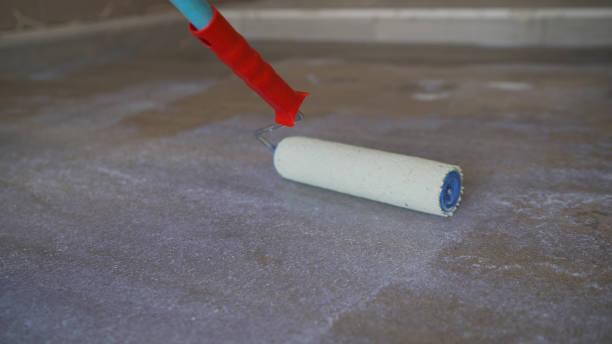
Most people treat rollers like they’re disposable. Use it once, toss it, grab another. That gets expensive fast, and honestly, it’s unnecessary. A decent roller can last through multiple jobs if you don’t abuse it. Especially when you’re working with something heavy like epoxy, where picking the best roller for epoxy garage floor actually matters more than people think. You don’t just want performance—you want that roller to survive the job and be usable again. And yeah, it takes a little effort. Not much, just the right habits.
Why Proper Roller Care Actually Matters
A roller isn’t just a fuzzy cylinder. It holds material, spreads it, controls finish quality… mess it up, and your surface shows it immediately. When a roller isn’t cleaned right, dried properly, or stored well, it stiffens, sheds fibers, or worse, leaves streaks you can’t fix without redoing the whole section. That’s where people get frustrated. They blame the product, or the epoxy, or the wall. Half the time, it’s the roller they neglected. Keep it in good shape, and it keeps your finish consistent. Simple as that.
Cleaning Right After Use (Don’t Wait, Seriously)
Here’s where most people slip. They finish painting and think, “I’ll clean it later.” Bad move. Paint and epoxy don’t wait for you. They start curing, setting into the fibers, and once that happens, you’re done. Cleaning becomes a fight you won’t win. If it’s water-based paint, rinse it immediately with warm water, work the paint out with your hands, don’t just let water run over it and call it clean. For oil-based or epoxy coatings, you’ll need the right solvent. Take your time here, press the roller gently, don’t twist it like you’re wringing a towel. That ruins the nap. Slow, steady, get everything out.
How to Deep Clean a Roller Without Destroying It
Sometimes a quick rinse isn’t enough. Especially after thicker coatings. In those cases, you need a deeper clean, but there’s a right way to do it. Use a bucket, not just running water. Submerge, press, release, repeat. Let the solvent or water actually work through the fibers. You’ll see the paint come out in waves. Keep going until it runs clear. And yeah, it takes a few minutes. People rush this part and wonder why their roller feels crunchy next time. Also, avoid using sharp tools or scraping aggressively. You’re not cleaning a grill. Be a bit gentle.
Drying Your Roller the Right Way
This part gets ignored a lot. A clean roller that isn’t dried properly can still go bad. After washing, shake out excess water. Not wildly, just enough to remove the bulk. Then let it air dry standing up or hanging if you can manage it. Don’t leave it flat on a dirty surface—it’ll pick up dust, lint, whatever’s around. And don’t use heat. No hair dryers, no placing it near a heater. That messes with the fibers and can warp the core. Let it dry naturally. Takes longer, but worth it.
Storing Rollers So They Stay Usable
Once dry, storage matters more than people expect. Tossing a roller into a toolbox or leaving it exposed in a dusty garage? That’s asking for problems. Store it in a clean, sealed bag or container. Keep dust out. Moisture too. If the roller sits for a while, give it a quick rinse before reuse just to freshen it up. Also, don’t stack heavy stuff on top of it. Sounds obvious, but it happens. You don’t want a flattened roller nap before your next job.
When You Can Reuse vs When You Shouldn’t
Not every roller deserves a second chance. If the fibers are matted, shedding, or feel stiff even after cleaning, it’s done. Same if it has hardened paint deep inside. You’ll see it in the finish—uneven spread, weird texture. For standard paints, you can usually get several uses out of a good roller. For epoxy, it’s a bit tougher. Even the best roller for epoxy garage floor can take a beating. Sometimes you get one solid reuse, sometimes more, depends how well you cleaned it. Just don’t force it. A bad roller will cost you more in rework than a new one ever would.
Quick Trick: Short-Term Storage Between Coats
If you’re working across multiple coats in a short time, don’t bother cleaning fully in between. Wrap the roller tightly in plastic wrap or a sealed bag and keep it airtight. This prevents the paint or epoxy from drying out. You can leave it like this for several hours, even overnight in some cases. Just don’t forget about it for days—that’s where things go wrong. When you unwrap it, give it a quick check, maybe a light roll on scrap material before going back to your main surface.
Choosing Quality Rollers Helps With Reuse
Not all rollers are built the same. Cheap ones break down fast, shed fibers, and honestly aren’t worth the trouble of cleaning. If you’re serious about reuse, invest in better quality. The difference shows up not just in finish, but in how well the roller holds up after cleaning. When you’re browsing paint rollers for sale, don’t just look at price. Look at material, nap density, core strength. A slightly more expensive roller that lasts through multiple jobs is actually cheaper in the long run. People forget that.
Conclusion
Taking care of your paint rollers isn’t complicated, it’s just… easy to ignore. Clean them right away, dry them properly, store them like you actually want to use them again. That’s it. No fancy tricks, no overthinking. And yeah, sometimes you’ll still need to replace one. That’s part of the job. But if you build these habits, you’ll stretch the life of your rollers, save some money, and get better results without fighting your tools every time. Which, honestly, makes the whole process a lot less annoying.
 English
Join our community to interact with posts!