
Hard soil is a different beast. Anyone who’s tried drilling into dry clay, packed gravel, or rocky ground knows exactly what I mean. It slows everything down. Burns time. Burns fuel. And yeah… burns patience too.
You start the job thinking it’ll be quick. Then suddenly you’re fighting the ground more than actually working it. That’s where excavator augers step in not as some fancy upgrade, but as a real fix to a very common problem.
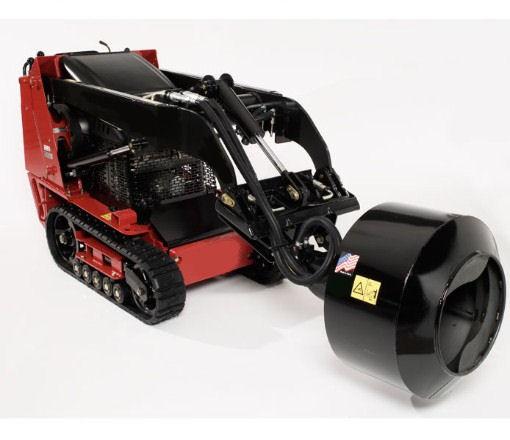
A lot of operators looking into tools like an auger concrete mixer already understand the value of attachments doing more than one job. It’s about efficiency. Same idea applies here. When you’ve got the right auger setup on your excavator, drilling in hard soil stops being a struggle and starts feeling… manageable again.
Why Hard Soil Slows Everything Down
Let’s not overcomplicate it. Hard soil resists. Simple as that.
Loose dirt? Easy. Sand? Even easier. But when you hit compacted ground or clay, your standard digging tools just don’t cut it clean. You end up:
-
Repositioning constantly
-
Applying more pressure than needed
-
Wearing out teeth and edges faster
And worst part… the hole still doesn’t come out clean.
That messy drilling means more cleanup, more adjustments, more time. It’s not just slow it’s inefficient across the board.
What Makes Excavator Augers Different
An excavator auger doesn’t fight the ground the same way a bucket does. It drills. That spiral design pulls material up and out while cutting downward at the same time.
That one change cutting and clearing simultaneously is what speeds things up.
Instead of forcing your way through, the auger works with the material. Even in dense soil, it maintains a steady drilling motion. Less stopping. Less backing out halfway through.
You just keep going until you hit your depth.
And yeah, it’s noticeably faster.
Clean Holes, Less Rework
This part gets overlooked a lot.
When you’re drilling post holes, fence lines, or foundation points, the quality of the hole matters. If it’s uneven or collapsed, you’re fixing it before you even move forward.
Augers create cleaner, more consistent holes. Straight walls. Proper depth. Minimal loose debris left behind.
That means:
-
Faster post setting
-
Better alignment
-
Less material waste
You don’t have to keep correcting mistakes. The hole is done right the first time, most of the time.
Speed Comes From Consistency, Not Just Power
People assume faster drilling is about more torque. That’s part of it, sure. But consistency is what really changes the pace of work.
With an excavator auger, each hole takes roughly the same amount of time. You’re not guessing. Not dealing with random slowdowns because the tool can’t handle resistance.
That predictable workflow matters on bigger jobs.
If you’re running an auger for mini excavator setups, especially in tighter job sites or landscaping work, that consistency becomes even more important. Smaller machines don’t have the luxury of brute force they rely on efficient attachments to get the job done right.
Less Wear on Your Machine
Here’s something a lot of operators don’t think about right away.
When you use the wrong tool for hard soil, your machine takes the hit. Hydraulics strain more. Components wear faster. You’re basically forcing the equipment to do something it wasn’t built for.
An auger changes that.
It’s designed for drilling. So instead of stressing your excavator, it works within its capabilities. Smoother operation, less resistance, fewer sudden jolts.
Over time, that means:
-
Lower maintenance costs
-
Longer equipment lifespan
-
Fewer unexpected breakdowns
Not exciting stuff, but it matters when you’re running jobs back-to-back.
Handling Tough Conditions Without Slowing Down
Real job sites aren’t perfect. You hit rocks. Roots. Mixed soil conditions.
A good auger setup handles that without completely killing your pace.
You might slow down a bit in rough patches, sure. But you’re not stopping every few minutes to reset or rethink your approach.
That’s a big difference.
And if you’re using attachments from brands like Spartan Equipment, you’ll notice they’re built with that kind of job site reality in mind. Not just ideal conditions, but the messy, inconsistent ground you actually deal with.
Versatility Across Different Jobs
Excavator augers aren’t just for one type of work.
They show up in:
-
Fence installation
-
Tree planting
-
Foundation drilling
-
Sign and pole installation
Basically, anything that requires consistent holes in the ground.
And when you combine that with setups like an auger concrete mixer, you’re looking at a workflow where drilling and material placement happen faster, with fewer steps in between.
Drill the hole. Mix. Pour. Move on.
No wasted motion.
Choosing the Right Auger Setup
Not all augers perform the same, and this is where people sometimes get it wrong.
You’ve got to match:
-
Auger diameter to the job
-
Drive unit to your excavator size
-
Bit type to the soil condition
Run the wrong combination, and you’ll feel it immediately. Slower drilling, more resistance, more frustration.
For smaller operations, an auger for mini excavator setups can be a game changer but only if it’s matched properly. Too aggressive, and it overloads the machine. Too light, and it struggles in hard ground.
There’s a balance there. Takes a bit of trial and error sometimes.
Why Speed Matters More Than You Think
Speed isn’t just about finishing early. It affects everything else.
Faster drilling means:
-
Lower labor costs
-
More jobs completed in a day
-
Less fuel consumption per task
And honestly, less fatigue for the operator too.
When the equipment does its job efficiently, you’re not constantly fighting it. That alone makes a long day feel shorter.
Where Augers Fit Among Other Attachments
There are plenty of attachments out there. Buckets, breakers, grapples — all useful in their own way.
But augers fill a very specific role. And when that role comes up, nothing else really replaces them.
That’s why they’re often considered one of those must-have tools, especially when drilling is a regular part of your work. Right up there with what many would call the best skid steer attachments in their own category, just adapted for excavators.
And again, if you’re running an auger for mini excavator jobs, you already know how valuable that setup can be when space is tight and precision matters.
Conclusion
Hard soil isn’t going anywhere. It’s part of the job.
But struggling through it with the wrong tools? That’s optional.
Excavator augers take a process that’s usually slow and frustrating and make it faster, cleaner, and a lot more predictable. Not perfect, but way better.
If drilling is something you deal with regularly, upgrading your setup isn’t just a nice-to-have. It’s one of those changes that pays off almost immediately.
And once you get used to that kind of efficiency… it’s hard to go back.
 English
Join our community to interact with posts!