
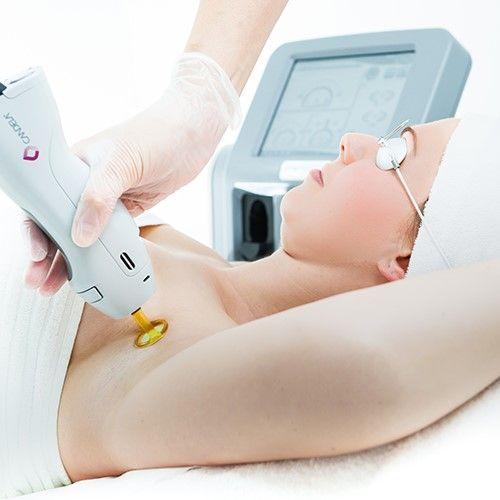
Prioritizing dermatological health is essential when undergoing any light-based aesthetic procedure. Selecting laser hair removal in Dubai involves more than just finding a solution for unwanted hair; it requires a commitment to clinical safety and skin integrity. This guide details the rigorous medical standards and protective protocols that ensure your treatment is both effective and harmless to your unique skin biology.
Defining Safety in Laser Hair Removal in Dubai
In the clinical world, laser hair removal is defined as the use of monochromatic, coherent light to achieve permanent hair reduction. Safety is maintained by ensuring the laser’s energy is absorbed only by the melanin in the hair follicle, sparing the surrounding dermis and epidermis. When performed under expert supervision, the procedure is a controlled medical intervention designed to provide aesthetic results without compromising the skin's barrier function.
Because the skin is a living, reactive organ, "safety" means more than just avoiding burns. It involves a comprehensive understanding of skin phototypes, current medications, and underlying hormonal health. In a professional setting, every pulse of the laser is calibrated to match the specific thermal relaxation time of your skin, ensuring the heat dissipates safely.
The Biological Mechanism and Safety Buffers
The mechanism of action, selective photothermolysis, relies on the laser's ability to target a specific "chromophore"—in this case, the pigment in your hair. To maintain safety during laser hair removal in Dubai, advanced devices utilize integrated cooling systems. These systems, such as cryogen cooling or chilled sapphire tips, lower the temperature of the skin's surface milliseconds before the laser fire, preventing thermal injury to the top layer of the skin.
During the treatment, the laser penetrates the skin to reach the bulb of the hair follicle. If the settings are too low, the hair won't be destroyed; if they are too high, the skin could react negatively. In our clinical experience, the "sweet spot" for safety is found by conducting a meticulous skin analysis and a mandatory patch test before the full session begins.
The Purpose of Strict Medical Protocols
The primary purpose of adhering to high safety standards is to prevent complications such as hyperpigmentation or blistering, which can occur if the skin is improperly assessed. Clinical protocols are designed to filter out contraindications, such as the use of photosensitizing medications (like certain antibiotics or acne treatments) that could make the skin hyper-reactive to light.
By following a standardized medical approach, we ensure that the purpose of the treatment—smooth, clear skin—is achieved without setbacks. This professional oversight transforms a common beauty task into a safe, predictable dermatological therapy. It provides peace of mind for patients who may have sensitive skin or previous negative experiences with non-medical hair removal.
Benefits of Choosing Medically Regulated Laser Care
-
Risk Mitigation: Expert practitioners can identify skin conditions that might be aggravated by heat and adjust the protocol accordingly.
-
Wavelength Precision: Access to multiple laser types (like Alexandrite for light skin and Nd:YAG for dark skin) ensures every patient is treated with the safest tool for their ethnicity.
-
Sterile Environment: Medical clinics follow strict hygiene standards, reducing the risk of post-treatment folliculitis or infection.
-
Long-Term Health Monitoring: Professionals can track skin changes over several months, ensuring no adverse pigmentary shifts occur.
Who Qualifies for Safe Laser Treatment?
Almost anyone looking to reduce body hair can be a candidate, provided they do not have active skin infections or certain medical conditions. We pay special attention to patients with conditions like Polycystic Ovary Syndrome (PCOS), as their hair growth is hormonally driven and requires a more specialized, frequent approach to remain safe and effective.
What patients typically report during recovery is a slight "sunburn" sensation, which is a sign that the safety parameters worked—the heat reached the follicle without damaging the surface. If you have a history of keloid scarring or vitiligo, a medical expert will provide a modified plan to ensure the laser does not trigger a negative skin response.
The Clinical Procedure: A Safety-First Walkthrough
-
Medical History Review: A detailed check for light-sensitizing medications and recent sun exposure.
-
Skin Typing: Categorizing the skin using the Fitzpatrick Scale to select the appropriate laser wavelength.
-
Protective Barrier: Applying a cooling gel or ensuring the device’s cooling mechanism is fully functional.
-
Eye Shielding: Both the patient and the specialist must wear opaque or wavelength-specific goggles to prevent ocular damage.
-
Test Pulses: Checking the skin’s immediate reaction to the laser energy before proceeding to the entire area.
Standard Treatment Zones and Safety Levels
| Body Area | Sensitivity Level | Safety Protocol |
| Upper Lip / Chin | High | Low energy, high cooling to protect delicate nerves |
| Underarms | Medium | Rapid pulses; check for lymph node sensitivity |
| Bikini / Brazilian | Very High | Frequent breaks and topical numbing if requested |
| Full Legs | Low | Large spot size for efficiency; constant skin monitoring |
Factors Influencing the Cost and Quality of Safety
The value of a laser session is deeply tied to the quality of the equipment and the expertise of the staff. High-end, FDA-approved lasers are an investment in safety; they feature more consistent beam profiles and better cooling technology than budget alternatives. While we avoid mentioning specific prices, it is important to understand that "medical-grade" implies a higher standard of maintenance and calibration.
Furthermore, the number of sessions required is influenced by how safely we can escalate the energy. To protect the skin, we often start with conservative settings and gradually increase them as your skin builds "tolerance" to the heat. This gradual approach is the gold standard for avoiding side effects while maximizing results.
Post-Treatment Healing and Safety Timeline
Within the first 24 hours, the skin is in a "recovery phase." It is crucial to keep the area cool and avoid any friction. In our clinical experience, patients who apply a medical-grade soothing cream and avoid hot showers for the first day experience the fastest healing and the fewest complications.
By day three, any redness should have completely subsided. Between days seven and twenty-one, the "shedding" phase begins. This is not new growth, but the dead hair being pushed out of the follicle. Keeping the skin hydrated during this time is essential for maintaining the skin's barrier and ensuring a smooth transition to the next session.
Identifying and Preventing Potential Side Effects
When safety standards are met, significant side effects are exceptionally rare. However, patients should be aware of "crusting" or small "scabs," which can occur if the hair was very coarse. These should never be picked, as doing so can lead to scarring.
The most common "avoidable" side effect is post-inflammatory hyperpigmentation, which almost exclusively occurs if a patient exposes the treated area to the sun without protection. By emphasizing sun avoidance and the use of SPF 50, we maintain the highest safety profile for every patient throughout their journey.
Ensuring Long-Term Skin Success
Consistency is the final pillar of safety. Skipping sessions or changing clinics frequently can lead to inconsistent results and unnecessary skin stress. By staying with a trusted provider who understands your skin's history, you ensure that the energy levels are adjusted logically and safely over time.
At Tajmeels Clinic, our commitment to medical excellence means we never compromise on safety for the sake of speed. We believe that every patient deserves a treatment plan that is as safe as it is effective. By blending advanced technology with clinical expertise, we help you achieve the smooth skin you desire while keeping your dermatological health as our top priority.
 English
Join our community to interact with posts!