
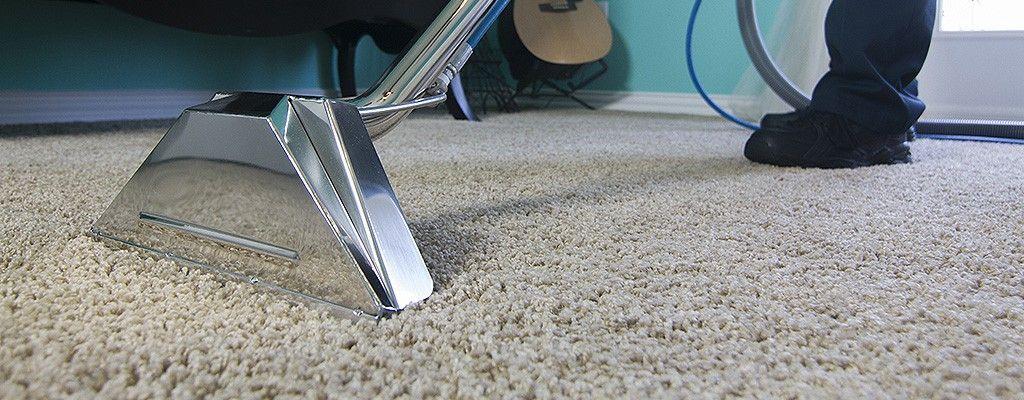
Persian rugs are delicate treasures that deserve careful attention. Improper cleaning can lead to color fading, frayed fibers, and permanent damage. With the right techniques, Persian rug washing can be done safely at home while preserving the rug’s beauty and longevity. Many homeowners rely on Max Cleaning UK for expert advice, but following a simple, structured approach ensures your rug stays vibrant, soft, and clean without professional intervention.
Step 1: Prepare Your Rug and Cleaning Area
Before washing, proper preparation is essential:
- Choose a flat, clean surface – This prevents wrinkles and damage.
- Vacuum thoroughly – Remove dust and dirt from both sides using low suction.
- Inspect for damage – Note frayed edges or weak spots to avoid worsening them during cleaning.
Tip: Testing any cleaning solution on a small, hidden area ensures colors remain intact.
Step 2: Use Safe Cleaning Solutions
The choice of cleaning solution is critical for safe Persian rug washing:
- Mild, pH-balanced detergents – Safe for wool and silk fibers.
- Natural alternatives – Diluted vinegar or baking soda works well for minor stains.
- Avoid bleach or harsh chemicals – These can strip fibers and fade dyes.
Example: A family in Birmingham used a gentle detergent for spot cleaning a tea spill. By blotting gently instead of scrubbing, the stain lifted without damaging the rug.
Step 3: Wash Gently, Section by Section
To protect delicate fibers:
- Mix lukewarm water with your chosen detergent.
- Use a soft sponge or cloth to work on small sections at a time.
- Blot stains gently, moving from the edges inward.
- Avoid over-wetting the rug.
Pro Tip: Divide large rugs into manageable sections to ensure even cleaning without saturating the fibers.
Step 4: Rinse and Remove Excess Water
Proper rinsing is vital:
- Use clean, lukewarm water to remove detergent residue.
- Gently press water out with towels—never wring the rug.
- Over-saturation can distort fibers and lead to mold growth.
Tip: A mild spray rinse works better than pouring water over the entire rug.
Step 5: Dry Completely
Drying properly is key to prevent damage:
- Lay the rug flat in a shaded, ventilated area.
- Flip the rug occasionally to ensure even drying.
- Avoid direct sunlight and hanging, which can stretch or fade fibers.
Maintenance Tip: Rotate rugs every few months to distribute wear and prevent uneven fading.
Benefits of Safe Persian Rug Washing
Following a safe, structured cleaning method preserves your rug’s beauty and:
- Maintains vibrant colors and patterns
- Extends the rug’s lifespan
- Reduces allergens and dust in the home
- Keeps fibers soft and durable
Many homeowners combine these at-home techniques with professional cleaning services like Max Cleaning UK to ensure optimal results.
FAQ
1. Can I use hot water for washing Persian rugs?
No, lukewarm water is safest to prevent shrinking and fading.
2. How long does it take for a rug to dry?
Typically 24–48 hours depending on thickness and humidity.
3. Can I machine wash a small rug?
No, even small Persian rugs are delicate and should be hand-washed.
4. How do I remove stubborn stains?
Blot gently with a soft cloth and mild detergent; consult professionals for persistent stains.
5. How often should I wash my rug?
Once every 12–18 months, with weekly vacuuming and immediate spot cleaning.
Conclusion
Safe Persian rug washing is achievable at home with the right preparation, gentle techniques, and proper drying. Following these steps preserves your rug’s beauty, extends its life, and maintains a clean, healthy home environment. Pairing DIY care with professional cleaning ensures your Persian rugs remain vibrant and luxurious for years.
 English
Join our community to interact with posts!