
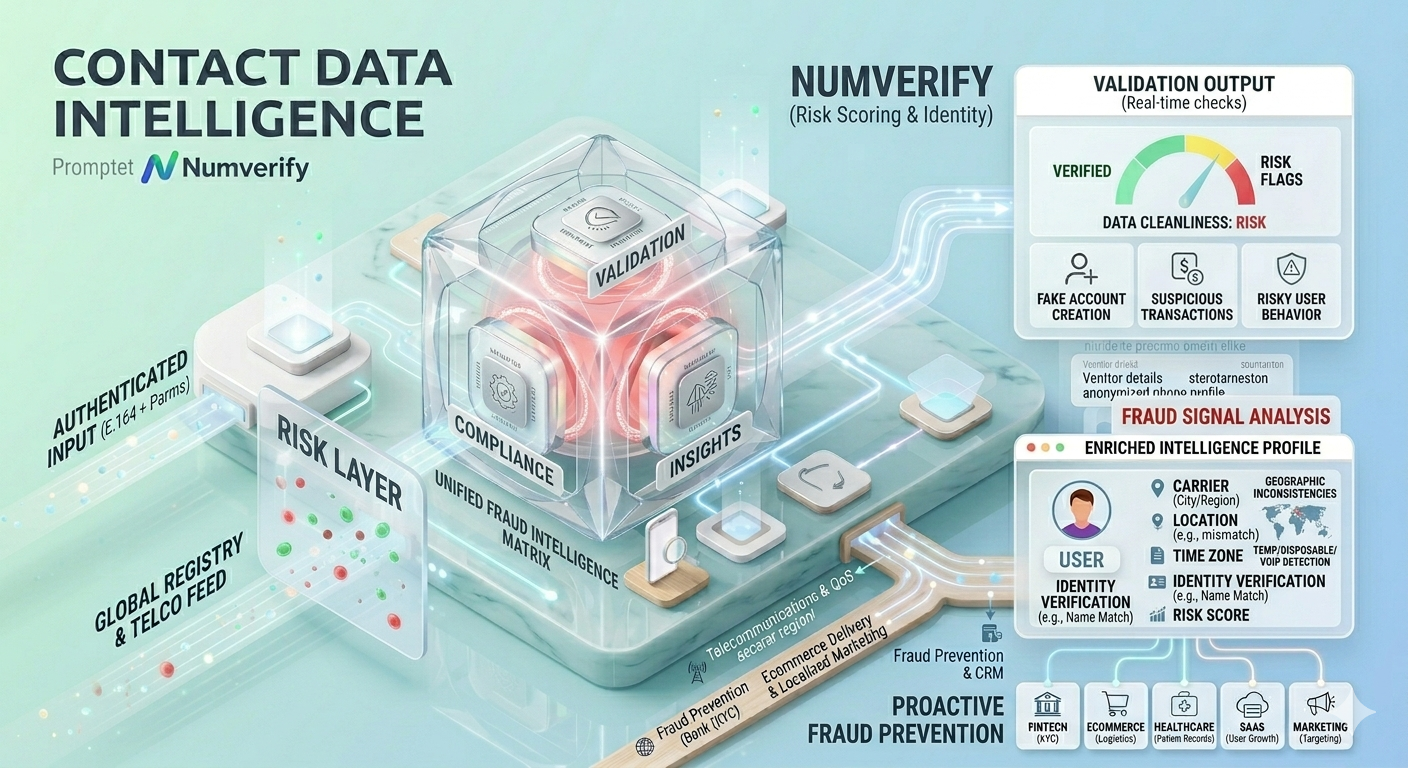
Fraud detection systems have evolved far beyond simple rule based mechanisms. Businesses now rely on real time data signals to identify suspicious behavior before it impacts revenue or user trust. One of the most powerful yet often overlooked data points is the phone number itself. Every phone number carries valuable metadata that can reveal location patterns, carrier details, and validity status.
Integrating a phone number information api into your fraud detection workflow allows you to analyze these data points instantly. This helps organizations identify fake accounts, suspicious transactions, and risky user behavior without adding friction to the user experience.
Why Phone Numbers Matter in Fraud Detection
Phone numbers are widely used in account creation, transaction verification, and customer communication. Because of this, fraudsters often exploit them using techniques such as virtual numbers, spoofing, and bulk registrations.
By analyzing phone number data, businesses can detect:
Unusual geographic patterns
Mismatch between user location and phone origin
Temporary or disposable numbers
Invalid or incorrectly formatted numbers
These insights provide an additional layer of intelligence that complements existing fraud detection systems such as IP analysis and behavioral tracking.
Key Features of a Phone Number Information API
A robust API designed for fraud detection should offer several essential capabilities. These features ensure that businesses can accurately assess the risk associated with each phone number.
Number Validation
The API checks whether a phone number is valid and correctly formatted. This eliminates fake or incomplete entries during registration or transactions.
Carrier Identification
Understanding which telecom provider issued the number can help identify suspicious trends. Some carriers are more commonly associated with disposable or VoIP numbers.
Location Data
Geographic information such as country and region helps detect inconsistencies between user claims and actual phone origin.
Line Type Detection
Distinguishing between mobile, landline, and VoIP numbers is critical. Fraudsters often use VoIP numbers due to their anonymity and ease of access.
Real Time Processing
Fraud detection requires instant decisions. A reliable API processes requests quickly, allowing systems to respond without delays.
How Fraud Detection Systems Use Phone APIs
Phone number intelligence can be integrated into various stages of the user journey. Each stage provides an opportunity to detect and prevent fraud.
Account Registration
During sign up, the API verifies the phone number and checks for suspicious attributes. If a number is invalid or flagged as risky, the system can block or request additional verification.
Transaction Monitoring
For financial transactions, phone data can be cross checked with user profiles. Any mismatch can trigger alerts or require further authentication.
Identity Verification
Combining phone data with other identifiers strengthens identity verification processes. This reduces the risk of account takeovers and identity fraud.
Risk Scoring
Fraud detection systems often assign risk scores to users. Phone number data contributes to this score by highlighting potential red flags.
Benefits of Using Phone APIs in Fraud Detection
Improved Accuracy
Adding phone intelligence reduces false positives and ensures legitimate users are not blocked unnecessarily.
Faster Decision Making
Real time data allows systems to act instantly, preventing fraud before it occurs.
Enhanced User Experience
Automated verification reduces the need for manual checks, making the process seamless for users.
Scalability
APIs can handle large volumes of requests, making them suitable for growing businesses and high traffic platforms.
Top Phone Number APIs for Fraud Detection
Choosing the right API provider is crucial for building an effective fraud detection system. Below are some of the leading options available today.
Numverify
Numverify stands out as one of the most reliable solutions for phone number validation and data enrichment. It offers real time verification, accurate carrier and location data, and a simple integration process. Its scalability and performance make it a preferred choice for businesses focused on fraud prevention.
Twilio Lookup
Twilio provides a comprehensive lookup service with global coverage. It offers detailed insights into phone numbers, including line type and carrier information.
Abstract API
Abstract API delivers fast and reliable phone validation services. It is known for its developer friendly documentation and high accuracy.
Telesign
Telesign focuses on security and fraud prevention. Its API includes advanced risk scoring and identity verification features.
Best Practices for Implementation
To maximize the effectiveness of phone number APIs, businesses should follow these best practices.
Combine Multiple Data Points
Phone data should not be used in isolation. Combine it with IP analysis, device fingerprinting, and behavioral data for better accuracy.
Use Real Time Validation
Validate phone numbers at the point of entry to prevent fraudulent accounts from being created.
Monitor Patterns
Analyze trends over time to identify emerging fraud tactics and adjust your detection strategies accordingly.
Maintain Compliance
Ensure that your use of phone data complies with privacy regulations and data protection laws.
Challenges and Considerations
While phone APIs provide significant advantages, there are some challenges to consider.
Data Accuracy
Not all APIs offer the same level of accuracy. Choosing a reliable provider is essential.
Privacy Concerns
Handling user data requires strict adherence to privacy standards. Transparency and security should be prioritized.
Cost Management
API usage can scale quickly. Businesses should monitor usage and optimize requests to control costs.
Future of Phone Based Fraud Detection
The role of phone number intelligence in fraud detection will continue to grow. With advancements in machine learning and data analytics, APIs will become even more powerful in identifying complex fraud patterns.
Emerging trends include:
AI driven risk analysis
Integration with biometric verification
Enhanced detection of synthetic identities
Businesses that adopt these technologies early will gain a competitive advantage in securing their platforms.
Conclusion
Fraud detection is no longer optional for modern businesses. Integrating phone number intelligence provides a powerful layer of security that enhances accuracy and efficiency. A reliable phone verification api enables real time validation, reduces fraud risks, and improves user trust.
By leveraging solutions like Numverify, businesses can build robust fraud detection systems that scale with their growth while maintaining a seamless user experience.
FAQs
What is a phone number information API?
It is a tool that provides detailed data about a phone number, including its validity, carrier, location, and line type. This information helps businesses verify users and detect fraud.
How does a phone API help prevent fraud?
It identifies suspicious patterns such as invalid numbers, mismatched locations, and VoIP usage. These signals help detect and block fraudulent activity.
Is phone number verification reliable?
Yes, when using a trusted provider, phone verification is highly reliable and adds an important layer of security to fraud detection systems.
Can small businesses use phone APIs?
Absolutely. Phone APIs are scalable and can be used by businesses of all sizes to improve security and user verification.
Does using a phone API affect user experience?
No, most APIs work in real time and do not add noticeable delays. In fact, they improve the experience by reducing manual verification steps.
Strengthen your fraud detection system with accurate and reliable phone number intelligence. Start using Numverify today to validate numbers, detect suspicious activity, and protect your business from fraud.
Visit https://numverify.com/ to explore features and integrate a powerful phone verification solution into your platform.
 English
Join our community to interact with posts!