
Introduction
Designer toy culture has transformed from a niche underground movement into a global creative industry that blends art, storytelling, and collectible design. Among the many characters that have shaped this evolution, Labubu stands out as one of the most recognizable and influential figures in modern designer toys. Created by artist Kasing Lung, Labubu has become more than just a collectible figure; it represents a shift in how people perceive toys, art, and emotional storytelling. The rise of Labubu reflects the broader evolution of designer toy culture, where imagination, limited-edition collectibles, and artistic identity come together to form a powerful cultural phenomenon.
The Origins of Designer Toy Culture
Designer toy culture began as a response to mass-produced commercial toys that dominated global markets. Artists and illustrators sought to create limited-edition figures that reflected personal expression rather than corporate branding. In cities like Hong Kong, Tokyo, and New York, this movement gained momentum during the late 1990s and early 2000s. Artists such as Kaws and others helped establish a new market where toys were not just for children but also for collectors, art lovers, and cultural enthusiasts.
These designer toys were often produced in small quantities, emphasizing rarity and artistic value. Unlike traditional toys, they carried deeper themes such as identity, nostalgia, surrealism, and emotional storytelling. Over time, this movement became a bridge between pop culture and fine art, blurring the boundaries of what could be considered “art.”
The Creation of Labubu and Its Unique Identity
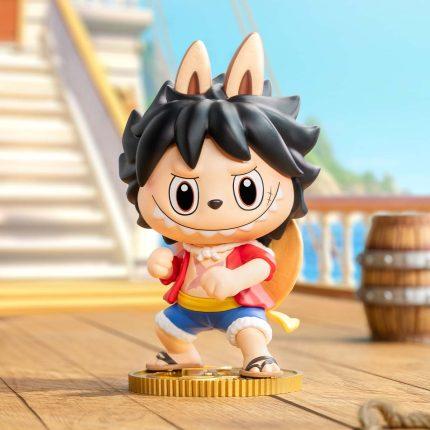
Labubu is one of the most iconic creations by Hong Kong-based artist Kasing Lung. Known for his whimsical yet slightly eerie art style, Kasing Lung introduced Labubu as part of his fantasy-inspired universe filled with mysterious creatures. Labubu is characterized by its mischievous grin, wide eyes, and playful yet chaotic personality. It embodies both innocence and mischief, which makes it emotionally engaging and visually distinctive.
Unlike traditional toy characters that are designed to be cute and predictable, Labubu carries a layered personality. It reflects the idea that emotions can be complex, blending joy, curiosity, and a hint of darkness. This emotional depth has played a significant role in Labubu’s popularity among collectors worldwide.
Labubu gained even more visibility through collaborations with major collectible brands, especially Pop Mart, which helped distribute the character globally through blind box series. This distribution model added an element of surprise and excitement, further enhancing Labubu’s appeal.
The Rise of Blind Box Culture
One of the most important developments in designer toy culture is the rise of blind box collectibles. In this model, buyers purchase sealed boxes without knowing which specific figure they will receive. This concept has transformed collecting into an experience driven by anticipation and surprise.
Labubu played a major role in popularizing this trend. Each series often includes multiple variations of Labubu, each with different costumes, expressions, and themes. Some editions are rare “secret” versions, which increases their desirability and market value. This system has created a strong collector community that thrives on trading, showcasing, and completing sets.
Blind box culture also reflects modern consumer psychology. It combines emotional engagement with gamification, making the act of collecting more interactive and addictive. Labubu, with its expressive design, fits perfectly into this system, making it one of the most sought-after characters in the designer toy world.
Labubu as a Cultural Symbol
Labubu is more than just a collectible figure; it has become a cultural symbol representing creativity, individuality, and emotional expression. In many ways, it reflects the modern generation’s relationship with art and consumerism. People no longer view collectibles as simple objects; instead, they see them as extensions of identity and personal taste.
The character’s slightly chaotic appearance also resonates with contemporary aesthetics that embrace imperfection and emotional complexity. In a world dominated by polished digital images and uniform trends, Labubu stands out as something raw, expressive, and unpredictable.
Social media platforms have also played a key role in Labubu’s cultural expansion. Collectors frequently share their figures, custom displays, and unboxing experiences online. This digital visibility has transformed Labubu into a viral icon within global art toy communities.
The Evolution of Designer Toy Markets
The success of Labubu reflects a larger transformation in the designer toy market. What was once a small subculture has now become a multi-billion-dollar global industry. Designer toys are now sold in art galleries, luxury stores, and international conventions. The collector base has expanded from niche enthusiasts to mainstream consumers.
This growth has also led to collaborations between designer toy artists and major fashion brands, animation studios, and lifestyle companies. Labubu, in particular, has been featured in numerous themed collections that merge storytelling with commercial design. These collaborations highlight the increasing influence of designer toys in both art and consumer markets.
At the same time, the rise of online marketplaces has made it easier for collectors to buy, sell, and trade rare figures. Limited editions of Labubu often become highly valuable in secondary markets, further reinforcing its status as a premium collectible.
Emotional Connection and Storytelling
One of the most powerful aspects of Labubu’s success is its emotional storytelling. Each version of Labubu is not just a design variation but a reflection of different moods, themes, and narratives. Whether dressed as a pirate, a forest creature, or a seasonal character, Labubu always maintains its core identity while adapting to new imaginative worlds.
This storytelling approach allows collectors to form emotional connections with the character. Many fans see Labubu as more than an object; they view it as a companion that represents different emotional states or life experiences. This emotional depth is a key reason why designer toy culture continues to grow in popularity.
The Future of Designer Toy Culture
The future of designer toy culture is closely tied to innovation, digital integration, and global community building. With advancements in technology such as augmented reality and digital collectibles, characters like Labubu may evolve beyond physical figures into hybrid digital-physical experiences.
However, the core appeal of designer toys will likely remain unchanged: emotional storytelling, LABUBU Bag artistic expression, and the joy of collecting. Labubu’s continued popularity suggests that audiences are increasingly drawn to characters that feel personal, expressive, and emotionally complex.
As more artists enter the designer toy space, the culture will continue to diversify, blending influences from fashion, animation, street art, and digital media. Labubu stands as a strong example of how a single character can influence an entire cultural movement.
Conclusion
Labubu’s journey from a niche artistic creation to a global collectible icon reflects the broader evolution of designer toy culture. It represents a shift in how people engage with art, identity, and storytelling in the modern world. Through its emotional depth, distinctive design, and cultural impact, Labubu has become a symbol of creativity that transcends traditional boundaries.
 English
Join our community to interact with posts!