
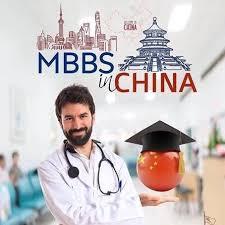
Medical students quickly learn that textbooks only take them so far. Reading about a rare disease or studying surgical techniques on a screen is completely different from standing in a busy emergency room. Real learning happens at the bedside, where treating actual patients transforms basic theory into lifelong practical skills.
Finding the right environment for this hands-on training is a major decision for any future doctor. You need a setting that provides high patient volume, modern medical technology, and experienced mentors. Without these elements, clinical rotations can feel like a simple shadowing exercise rather than active, engaging medical education.
Chinese hospitals offer a uniquely powerful environment for this crucial phase of learning. Because of the country's large population and rapidly advancing healthcare system, international students gain access to medical scenarios they might never see in their home countries. This vast clinical exposure helps build confidence, sharpens diagnostic skills, and prepares graduates to handle intense medical environments anywhere in the world.
Top Reasons to study in China for Medical Students
The sheer scale of the healthcare system is the biggest advantage for anyone pursuing a medical degree here. Large teaching hospitals in major cities often see over 10,000 outpatients every single day. This massive patient volume means medical students are exposed to an incredibly wide variety of illnesses, injuries, and health conditions in a very short amount of time.
During your clinical rotations during study in China, you will not just read about rare cases; you will likely see them in person. This constant exposure accelerates your learning curve. Recognizing symptoms becomes second nature, and you learn how to communicate with patients from all walks of life. Furthermore, many of these hospitals seamlessly integrate cutting-edge Western medicine with Traditional Chinese Medicine (TCM). Observing this dual approach broadens your perspective on patient care and holistic healing.
How the MBBS merit in China Shapes Your Education
Getting accepted into a quality medical program requires a strong academic background. The MBBS merit in China is designed to ensure that universities accept students who are genuinely prepared for the rigors of medical education. Institutions evaluate your high school grades, particularly in science subjects like biology, chemistry, and physics, to determine your eligibility.
Because the merit standards are clear and highly competitive, you find yourself studying alongside dedicated and ambitious peers. This competitive yet supportive environment pushes you to perform at your best. Once you pass the merit requirements and begin your hospital training, the high standards of the universities reflect in the quality of the teaching hospitals. You are mentored by top-tier surgeons and physicians who expect excellence, ensuring that your hands-on training meets global medical standards.
Advanced Medical Facilities and Technology
Another massive benefit of clinical exposure here is the access to state-of-the-art medical equipment. The government has invested heavily in upgrading hospital infrastructure over the last decade. As a student, you get to operate and observe advanced diagnostic tools, robotic surgery systems, and modern intensive care units.
Learning to navigate a highly digitized healthcare environment prepares you for the future of medicine. You will use advanced electronic health record systems and see how artificial intelligence is being integrated into modern diagnostics. Familiarity with these tools gives you a massive advantage when you eventually apply for residencies or jobs globally.
Helpful Tips for Maximizing Hospital Training
Making the most out of your clinical exposure requires active participation and preparation. Here are a few helpful tips to ensure you thrive during your hospital rotations:
-
Learn the Local Language: While your classes might be in English, the patients speak Mandarin. Learning conversational and medical Chinese will drastically improve your ability to take patient histories and build trust.
-
Be Proactive: Do not just stand in the back of the room. Ask your attending physicians questions, volunteer to assist with basic procedures, and show genuine interest in every case.
-
Build Relationships: Networking is vital. Create strong professional bonds with your professors, nurses, and hospital staff. They are more likely to offer you extra guidance if you show respect and dedication.
-
Keep a Clinical Journal: Write down the interesting cases you see each day. Note the symptoms, the diagnostic process, and the treatment plan. This will be an invaluable study tool later on.
Frequently Asked Questions (FAQs)
Is a medical degree from China recognized internationally?
Yes, most top medical universities are recognized by the World Health Organization (WHO) and are listed in the World Directory of Medical Schools. However, you must always check the specific licensing requirements of the country where you intend to practice, as you will likely need to pass local medical board exams.
Do I need to be fluent in Chinese to study there?
Most universities offer MBBS programs entirely in English for international students. However, achieving a basic to intermediate level of Mandarin is highly recommended for your clinical rotations, as you will need to interact with local patients.
How do clinical rotations there differ from Western countries?
The primary difference is the patient volume. You will likely see far more patients in a single day than you would in many Western hospitals. Additionally, you will witness the integration of Traditional Chinese Medicine alongside standard allopathic treatments.
Final Words: Taking the Next Step in Your Medical Career
Choosing where to complete your medical training is one of the most important decisions you will ever make. The clinical exposure provided by teaching hospitals in this region is unparalleled in terms of patient volume, diversity of medical conditions, and access to modern technology.
By actively engaging in your clinical rotations, learning the language, and embracing the rigorous standards of the medical programs, you set yourself up for long-term success. You will leave the hospital not just with a degree, but with the practical confidence needed to save lives and make a real difference in the medical field.
 English
Join our community to interact with posts!