
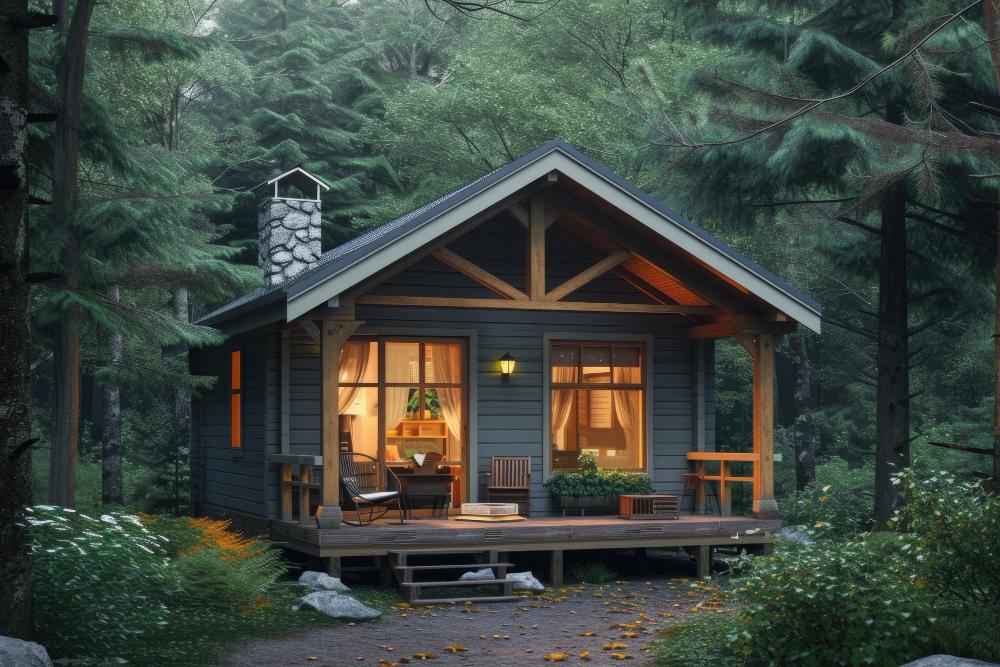
Tiny homes sound simple when you first hear about them. Small space, low cost, less stress, all that. And yeah, that’s what pulls people in. Somewhere in that conversation, Tiny House kits come up as the “easy starting point” for affordable living. But let’s not overthink it in a polished way. Real life is messier. Costs shift, expectations change, and not everything fits into a neat little plan. So the real question is pretty simple… do these kits actually help people live cheaper today, or is it just another idea that looks better online than it feels in reality?
The Idea of Cheap Housing isn’t That Simple
People assume tiny house kits mean instant savings. That’s the hook. A lower price tag compared to a regular house. But truth is, that number you see online is rarely the full picture. You still need land, permits, utility hookups, tools, and sometimes extra labor, too. It adds up in ways people don’t expect at the start. Not saying it’s useless. It’s just not “buy kit, live happily ever after.” If you go in thinking that, you’ll get frustrated fast.
What you Actually get in a Kit
Most Tiny House kits are more like a starting skeleton than a finished home. Walls, framing, and maybe roof sections, depending on the package. That’s it. The rest is still on you. Plumbing, wiring, insulation, flooring… all of that is separate work. Some people like that flexibility, others feel a bit misled after opening the boxes. It depends on expectations. If you treat it like a base structure instead of a finished product, it makes more sense. Otherwise, it can feel like half a promise.
Where Tiny House Builders Become Important
At some point, a lot of people realize they need help. That’s where tiny house builders come in. Not because people can’t try DIY, but because building a safe, livable space is not just about following instructions. There’s leveling, sealing, insulation gaps, code compliance… small mistakes turn into real problems later. Builders usually step in when things get too technical or when time runs out. Some folks start DIY and end up hiring help halfway. Happens more than you think, honestly.
The Zoning Headache Nobody Warns you About
This part is where excitement usually drops a bit. You can have the kit ready, but if local rules don’t allow tiny homes on your land, you’re stuck. Zoning laws vary a lot, even within short distances. Some areas are flexible, others are strict or outdated. And yes, it can feel frustrating because it has nothing to do with how good your house is. It’s paperwork, approvals, land classification… boring but critical stuff. Skip this step, and everything else becomes complicated.
Building it Yourself Sounds Easier Than It Is
On paper, assembling a kit feels doable. Like a big weekend project. In reality, it stretches way beyond that. Weatherproofing alone can take time if you’re not experienced. One small gap in insulation and you’ll feel it in summer or winter. People underestimate how many small decisions construction actually involves. It’s not impossible, but it’s not casual either. Some enjoy the process. Others, halfway through, start wishing they had just called someone.
Why Costs Don’t Always Stay “Tiny.”
This is where expectations really get tested. The kit might be affordable, but the full build often creeps up in price. Tools you didn’t think about, extra materials, corrections, transport, labor help… it stacks quietly. Not dramatically, just slowly. And suddenly it doesn’t feel like a “cheap home” anymore, more like a controlled project with shifting numbers. Still cheaper than many traditional builds, but not the bargain people imagine at the start.
Living in a Small Space Changes How You Think
There’s also the lifestyle side that people don’t fully consider. Living small isn’t just about design; it changes habits. You don’t keep extra stuff “just in case.” You clean more often because clutter shows up quickly. Privacy becomes a real factor, too, especially if more than one person lives inside. Some people adjust easily, others feel a bit cramped after a while. It’s not good or bad, it’s just different. And it definitely requires adjustment.
Conclusion
So, are Tiny House kits a practical solution for affordable living today? The honest answer is yes… but not in the simple way people expect. They can reduce costs and open doors to homeownership, but they also come with hidden effort, rules, and learning curves. They work best for people who are realistic, a bit hands-on, and okay with solving problems along the way. Some people even work with tiny house builders to avoid costly mistakes during construction and planning. If you expect perfection, you’ll be disappointed. If you expect a project that slowly turns into a home, then yeah, it actually makes sense.
 English
Join our community to interact with posts!