
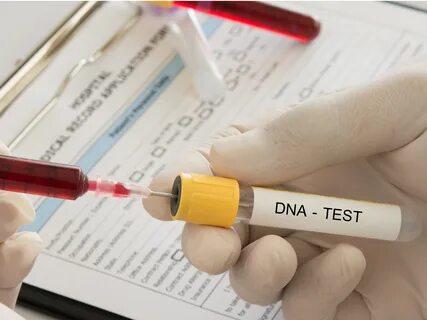
For centuries, people relied on oral traditions, historical records, and handwritten family trees to understand their origins. Today, modern genetic genealogy has transformed the way individuals explore their ancestry. An ancestry DNA test offers an opportunity to uncover ethnic backgrounds, discover unknown relatives, and gain insights into generations of family history that may have been lost over time.
Whether you are curious about your heritage or interested in tracing ancestral roots, understanding how Ancestry DNA Test Dubai works before getting started can help you make informed decisions and set realistic expectations.
Understanding an Ancestry DNA Test:
An ancestry DNA test is a genetic analysis designed to examine specific markers within your DNA. These markers are compared with extensive reference databases to estimate ethnic origins and identify potential DNA matches.
Unlike medical genetic testing, ancestry testing primarily focuses on family lineage, population groups, and ancestral connections rather than diagnosing health conditions.
DNA is inherited from both parents, meaning your genetic makeup contains information from countless ancestors. By analyzing this information, DNA testing can provide a snapshot of your family's migration patterns and ethnic composition.
How DNA Testing Actually Works?
The process behind DNA testing is surprisingly simple for users, even though the science itself is highly advanced.
The general process involves:
-
Collecting a saliva sample or cheek swab
-
Extracting DNA from the sample
-
Analyzing genetic markers
-
Comparing results with reference populations
-
Generating ethnicity estimates and relative matches
Scientists study thousands of DNA segments to identify patterns linked to specific geographic regions and ancestral populations. As databases continue to grow, test results often become more refined over time.
Types of DNA Used in Genealogy Research:
Understanding the different forms of DNA can help explain why certain family connections appear in results.
Autosomal DNA:
Autosomal DNA is inherited from both parents and is the most commonly used method in ancestry testing. It can identify relatives across multiple generations and provide ethnicity estimates.
Y-DNA Testing:
Y-DNA is passed almost exclusively from father to son. It helps trace direct paternal lineage and surname studies.
Mitochondrial DNA:
Mitochondrial DNA is inherited from the mother and helps researchers explore maternal ancestry over many generations.
Each testing method provides unique insights into family history and genetic heritage.
What Can an Ancestry DNA Test Reveal?
Many people are surprised by the amount of information that DNA testing can uncover.
An ancestry DNA test may reveal:
-
Ethnicity estimates across various regions
-
Connections to distant relatives
-
Family migration routes
-
Shared ancestors
-
Previously unknown family relationships
-
Historical population origins
However, results should be interpreted as estimates rather than absolute facts. Human migration throughout history means genetic boundaries are often complex and overlapping.
Understanding Ethnicity Estimates:
One of the most exciting aspects of DNA testing is receiving an ethnicity report. These reports estimate the percentage of your ancestry linked to different regions or populations.
For example, a person may discover connections to multiple continents or ancestral groups they never expected.
It is important to remember that ethnicity estimates are based on comparison databases and statistical models. As research improves and databases expand, these estimates may change over time.
Therefore, changing percentages do not mean your DNA has changed; rather, scientific understanding has become more accurate.
DNA Matches: Connecting With Relatives
A major feature of ancestry testing is DNA matching. Your results may identify individuals who share segments of DNA with you.
Matches can include:
-
Immediate family members
-
Cousins
-
Distant relatives
-
Extended family branches
Shared DNA percentages help estimate the closeness of relationships. While some discoveries can be exciting, others may reveal unexpected family connections.
Approaching these findings with sensitivity and an open mind is essential.
Building a Family Tree With Genetic Genealogy:
Ancestry DNA Test Dubai results become even more valuable when combined with traditional genealogy research.
Historical records such as:
-
Census documents
-
Birth certificates
-
Marriage records
-
Immigration records
-
Military archives
can help verify genetic findings and build a more complete family tree.
Genetic genealogy works best when DNA evidence and historical documentation support one another. This combination often leads to deeper discoveries about ancestral roots and family history.
Privacy Considerations Before Taking a DNA Test:
Before submitting a DNA sample, it is important to understand privacy policies and data handling practices.
Questions to consider include:
-
How is genetic information stored?
-
Can users delete their data?
-
Is information shared with researchers?
-
What privacy settings are available?
Genetic data is highly personal. Reviewing consent agreements and understanding how information may be used can help you make informed choices.
Many individuals appreciate the benefits of DNA testing while also taking steps to protect their privacy.
Common Misconceptions About DNA Testing:
There are several myths surrounding ancestry DNA tests that can create unrealistic expectations.
Myth 1: DNA Testing Reveals Everything
DNA testing provides valuable information, but it cannot tell the complete story of your ancestry. Historical records remain essential.
Myth 2: Ethnicity Results Are Exact
Ethnicity estimates are statistical predictions based on available data and may evolve over time.
Myth 3: DNA Determines Identity
Culture, traditions, language, and family experiences all contribute to personal identity beyond genetics.
Understanding these limitations allows users to appreciate results within the proper context.
Preparing for Your DNA Journey:
If you are considering taking an ancestry DNA test, preparing beforehand can improve your experience.
Helpful steps include:
-
Interview older family members
-
Gather historical documents
-
Create an initial family tree
-
Record known surnames and locations
-
Keep realistic expectations
Combining family stories with genetic data often produces the richest discoveries.
Unexpected Discoveries: What to Expect Emotionally
DNA testing can sometimes reveal surprising information, including unknown relatives, unexpected ancestry, or changes in family narratives.
While many experiences are positive, some discoveries can be emotionally complex. Approaching results with curiosity and sensitivity helps individuals process new information constructively.
Family history is often more complicated and fascinating than many people realize.
The Future of Genetic Ancestry Research:
Advances in DNA sequencing and expanding global databases continue to improve ancestry analysis. Future developments may provide even greater accuracy in identifying migration patterns, ancestral populations, and family relationships.
Artificial intelligence and advanced genomic research are already helping scientists interpret genetic data more effectively, opening new possibilities in genealogy research.
As technology evolves, our understanding of human history and genetic diversity will likely become even more detailed.
Final Thoughts:
An ancestry DNA Lab tests offers far more than percentages on a report. It provides an opportunity to explore family history, uncover ancestral origins, and connect with relatives across generations. While DNA testing is a powerful tool, combining genetic evidence with traditional genealogy research creates the most complete picture of your heritage.
By understanding how DNA analysis works, recognizing its limitations, and approaching discoveries with an open mind, you can begin a meaningful journey into your family's past. Every DNA result tells a story—one that stretches across centuries and connects us to the broader history of humanity.
 English
Join our community to interact with posts!