
Blood sugar testing is one of the most commonly performed medical checks, yet it is also surrounded by confusion, half-truths, and outdated beliefs. Many people delay testing because of misconceptions about pain, accuracy, diet restrictions, or even fear of results. This misinformation can be dangerous because it prevents early detection of conditions like Diabetes Mellitus and related metabolic disorders.
A Blood Sugar Test Dubai measures glucose levels in the blood and helps assess how efficiently the body manages energy. Despite its simplicity, it plays a major role in diagnosing prediabetes, diabetes, and insulin resistance. Understanding the difference between facts and myths is essential for making informed health decisions and avoiding preventable complications.
The Real Purpose of a Blood Sugar Test in Modern Healthcare:
A blood sugar test is not just a diagnostic tool for people already diagnosed with diabetes. It is a preventive health measure used to detect early metabolic changes before symptoms appear. Doctors often recommend fasting blood glucose, postprandial blood sugar, or HbA1c tests to evaluate long-term glucose control.
The test helps identify whether the body is producing enough insulin or if cells are becoming resistant to it. This early insight allows timely lifestyle changes and medical intervention, reducing the risk of complications such as nerve damage, kidney disease, and cardiovascular disorders. Misunderstanding this purpose leads many people to avoid testing until the disease has already progressed.
Blood Sugar Tests Are Only for Diabetic Patients:
One of the most common misconceptions is that blood sugar testing is only necessary after a diabetes diagnosis. In reality, routine screening is recommended for anyone with risk factors such as obesity, sedentary lifestyle, family history, or high stress levels.
Even individuals who feel completely healthy can have elevated glucose levels without symptoms. This silent progression is typical of prediabetes, which often goes unnoticed until it becomes full-blown Diabetes Mellitus. Early testing can prevent this progression entirely.
Fact: Early Screening Helps Prevent Long-Term Complications
The truth is that early detection through blood sugar testing significantly reduces the risk of chronic complications. Identifying elevated glucose levels early allows individuals to adopt dietary changes, increase physical activity, and improve insulin sensitivity.
Studies consistently show that lifestyle modifications during the prediabetic stage can delay or even prevent the onset of diabetes. This makes regular screening one of the most effective preventive healthcare strategies available today.
Blood Sugar Testing Is Painful and Complicated:
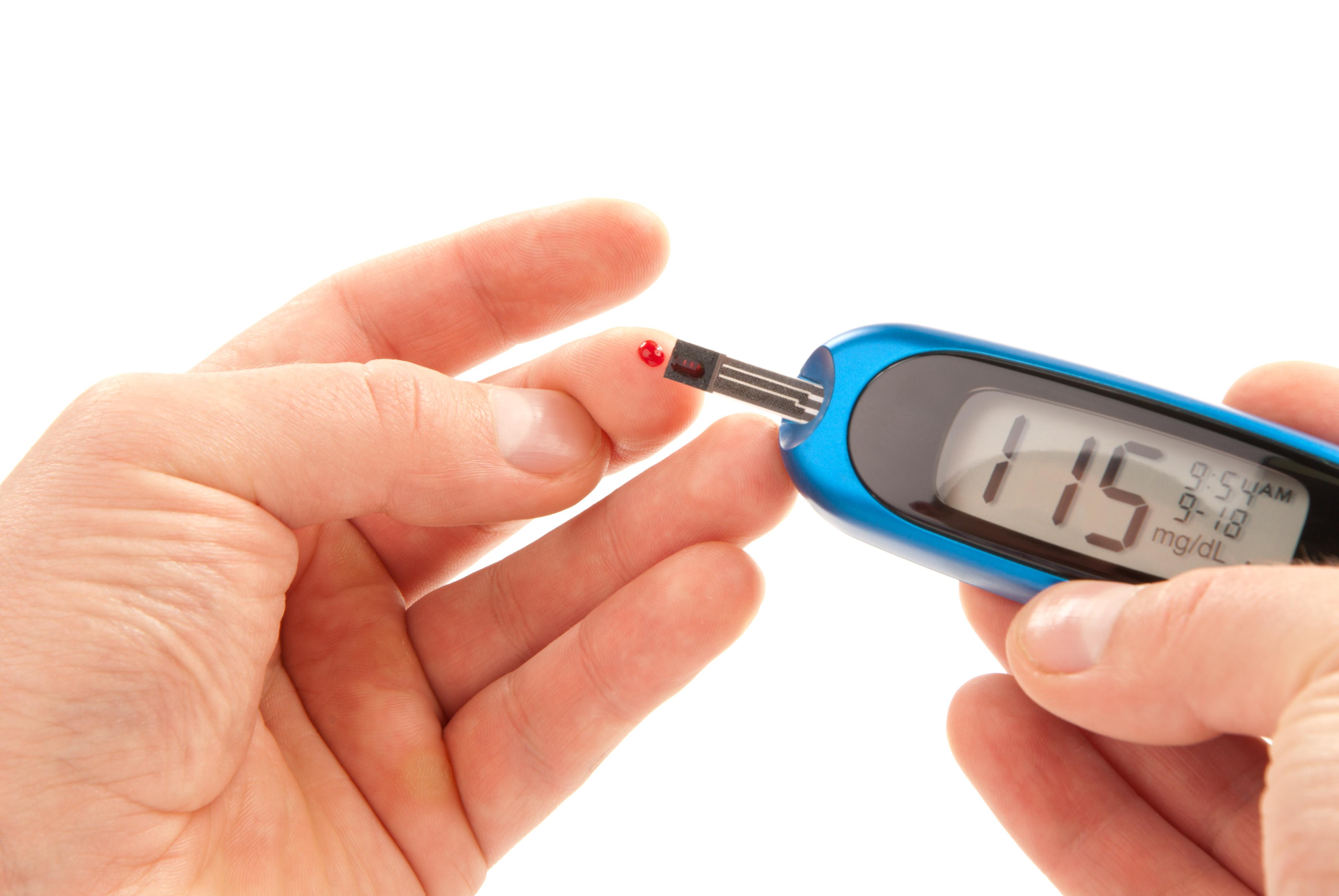
Many people avoid testing because they believe it involves significant pain or complex procedures. In reality, modern blood sugar tests are simple and minimally invasive. A small finger-prick sample is usually enough for immediate results using a glucometer.
Laboratory tests involve a standard blood draw, similar to any routine blood work. The discomfort is minimal and short-lived. Advances in medical technology have made testing more accessible and user-friendly than ever before, even for home monitoring.
Fact: Home Monitoring Has Made Testing Easier Than Ever
Today, portable glucometers allow individuals to check their glucose levels anytime, anywhere. Continuous glucose monitoring systems also provide real-time data trends, helping users understand how food, exercise, and stress affect their blood sugar.
This accessibility has transformed diabetes management and early detection, making it easier for individuals to take control of their health without frequent hospital visits.
Fasting Is Always Required for Accurate Results:
A widespread belief is that all blood sugar tests require strict fasting. While fasting blood sugar tests do require no food intake for 8–12 hours, not all tests follow this rule. Random blood sugar and postprandial tests are designed to measure glucose under normal eating conditions.
The HbA1c test, which reflects average blood sugar levels over 2–3 months, does not require fasting at all. Confusing these test types often leads to unnecessary anxiety or incorrect preparation.
Fact: Different Tests Serve Different Diagnostic Purposes
Each type of blood sugar test has a specific purpose. Fasting blood sugar evaluates baseline glucose levels, postprandial tests assess how the body handles sugar after meals, and HbA1c provides a long-term overview of glucose control.
Understanding these differences ensures accurate interpretation and reduces misinformation about testing requirements.
High Sugar Levels Always Show Clear Symptoms:
Many people believe that high blood sugar will always cause noticeable symptoms. However, this is not true. Early stages of glucose imbalance often occur silently without obvious signs.
By the time symptoms such as excessive thirst, fatigue, or frequent urination appear, blood sugar levels may already be significantly elevated. This silent progression is why routine screening is essential, even in the absence of symptoms.
Fact: Silent Progression Makes Regular Testing Essential
Because early-stage blood sugar imbalance is often asymptomatic, regular testing becomes the only reliable method of detection. This is especially important for individuals with risk factors like poor diet, lack of exercise, or family history of metabolic disorders.
Early detection helps prevent complications such as nerve damage, kidney disease, and vision problems associated with long-term uncontrolled glucose levels.
Eating Sugar Directly Causes Diabetes:
Another common myth is that eating sugar alone causes diabetes. While excessive sugar intake can contribute to weight gain and insulin resistance, diabetes is a complex condition influenced by multiple factors including genetics, lifestyle, and overall diet quality.
Focusing solely on sugar ignores other important contributors such as physical inactivity, processed food consumption, and hormonal imbalances. Balanced nutrition and lifestyle habits are far more important than eliminating sugar entirely.
Fact: Lifestyle and Genetics Work Together
The development of Diabetes Mellitus involves a combination of genetic predisposition and environmental factors. A sedentary lifestyle, poor sleep, chronic stress, and unhealthy eating patterns all contribute to risk.
This means that prevention is not about avoiding one ingredient but about maintaining a balanced lifestyle that supports insulin sensitivity and metabolic health.
Blood Sugar Testing Is Only Necessary When You Feel Unwell:
Many people believe testing is only needed when symptoms appear. This reactive approach is one of the biggest reasons for late diagnosis. Blood sugar imbalance often develops gradually and silently over years.
Waiting for symptoms means missing the opportunity for early intervention. By the time discomfort appears, the condition may already require long-term management.
Fact: Preventive Testing Is the Key to Long-Term Health
Preventive healthcare emphasizes regular screening even in the absence of symptoms. Blood sugar testing is a core part of this approach because it reveals early metabolic changes that are otherwise invisible.
Routine testing allows individuals to take corrective action early, reducing the risk of complications and improving long-term health outcomes.
How to Interpret Blood Sugar Results Without Misunderstanding?
Understanding test results correctly is just as important as taking the test. Normal fasting blood sugar is generally below 100 mg/dL, while levels between 100 and 125 mg/dL indicate prediabetes. A reading of 126 mg/dL or higher may suggest diabetes if confirmed by repeated testing.
For postprandial tests, levels below 140 mg/dL are considered normal. HbA1c below 5.7% is healthy, while higher values indicate increasing risk. Misinterpreting these ranges can lead to unnecessary panic or false reassurance.
Why Education About Blood Sugar Testing Matters?
Misinformation about blood sugar testing often leads to delayed diagnosis and poor health outcomes. Educating individuals about what the test actually measures, how it works, and when it is needed can significantly improve public health awareness.
Healthcare providers emphasize awareness because early detection of metabolic imbalance is one of the most effective ways to prevent chronic disease progression.
Conclusion:
Blood sugar Lab tests is a simple yet powerful tool that plays a critical role in early disease detection and long-term health management. Unfortunately, myths and misconceptions often prevent people from using it effectively.
By understanding the facts—such as the importance of early screening, the simplicity of testing methods, and the variety of available tests—individuals can make informed decisions about their health. Regular monitoring is not just for those diagnosed with diabetes; it is a preventive step for everyone at risk of metabolic imbalance.
Replacing myths with accurate knowledge empowers individuals to take control of their well-being and reduce the global burden of lifestyle-related diseases, including Diabetes Mellitus.
 English
Join our community to interact with posts!