
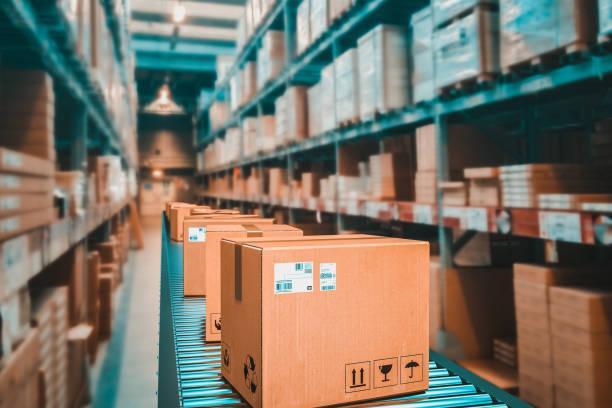
Ecommerce fulfillment Canada sellers deal with hits a weird crossroads moment for almost every business eventually, that point where packing orders yourself in your spare bedroom or garage just stops making sense anymore. Most people don't plan for that moment, it just kind of sneaks up on them, boxes everywhere, evenings gone, a partner or roommate quietly losing patience with product samples taking over the living room. There's a real question buried in all of this though, when does it actually make financial and operational sense to hand this off, and what changes once you do. People ask this constantly, when's the right time, how much does it actually cost, is warehouse fulfillment worth it if you're still a smaller operation, or should you wait until volume gets bigger first. Let's actually work through it.
The Signs You've Outgrown DIY Shipping
There's usually a handful of signals that show up before someone actually admits it's time to change how they're doing this. Order volume climbing to the point where packing takes multiple hours daily is a big one, since that's time that could go toward marketing, product development, actually running the business instead of standing at a table wrapping boxes. Shipping mistakes creeping up is another sign, wrong items going out, delayed orders piling up during busy weeks, stuff that starts happening more once volume outpaces what one or two people can reasonably manage by hand. Storage becoming a real problem matters too, inventory taking over living space or a rented unit that keeps needing to get bigger every few months. None of these signs alone means it's time necessarily, but when a few start stacking up together, that's usually a decent signal the DIY approach is starting to cost more than it's saving.
Breaking Down What Warehouse Fulfillment Actually Costs
This is where a lot of business owners get nervous, mostly because the pricing structure isn't always straightforward at first glance. Warehouse fulfillment typically involves a mix of storage fees, usually charged per pallet or per bin monthly, pick and pack fees per order, and shipping costs on top of that, sometimes bundled together, sometimes broken out separately depending on the provider. It sounds like a lot stacked up like that, and honestly for very low volume sellers it can actually cost more than doing it yourself, no point pretending otherwise. But once volume climbs, the math tends to flip pretty fast, since a warehouse's bulk shipping rates and efficient packing process often beat what an individual could pull off buying materials retail and paying full price for shipping labels one at a time. Running actual numbers, current time spent, actual mistakes costing money in refunds or reshipping, current shipping costs, against a few provider quotes usually makes the decision a lot clearer than just guessing based on gut feeling.
Why Speed To Customer Matters More Than People Expect
Shipping speed has quietly become one of the biggest factors in whether someone buys from a store or bounces off to a competitor instead. People got used to fast shipping thanks to a couple massive retailers setting that expectation years ago, and now even small businesses get judged against that standard whether it's fair or not. A single warehouse location in, say, Ontario can get orders to a huge chunk of the country reasonably fast, but customers out west might wait considerably longer, and that gap shows up in reviews and repeat purchase rates eventually. Some fulfillment providers operate multiple warehouse locations specifically to shorten that distance, splitting inventory so orders ship from whichever location sits closest to the buyer. It costs a bit more to manage on the provider's side honestly, but for businesses competing against faster shipping options, it can be the difference between winning or losing a sale that otherwise looked identical on price and product quality.
How Packaging And Branding Fit Into This Decision
This part gets overlooked constantly, but it matters more than people initially think when picking a fulfillment approach. Some businesses worry that outsourcing shipping means losing that personal touch, handwritten notes, custom packaging, little extras that make an order feel special instead of just transactional. The good news is a lot of fulfillment providers actually do support custom packaging inserts, branded boxes, even things like tissue paper or stickers if a business wants that unboxing experience preserved. It usually costs extra though, and not every provider handles it the same way, some are genuinely flexible, others treat it more like an afterthought that's hard to actually execute well. Worth asking directly about this if brand experience matters to your business, because assuming it'll just work out the same as doing it yourself sometimes leads to disappointment once orders actually start going out the door.
Technology Integration Nobody Really Explains Well
A lot of the frustration businesses run into after switching to a fulfillment partner traces back to technology not syncing properly, and honestly this deserves way more attention than it usually gets during the decision process. Your e-commerce platform, whether that's Shopify, WooCommerce, something custom, needs to actually connect smoothly with whatever system the warehouse runs, otherwise you end up with delayed order information, inventory counts that don't match reality, and general confusion that creates real customer service headaches down the line. Real-time syncing means an order placed online shows up in the warehouse system almost instantly, and inventory counts update the moment something's picked, preventing that awkward scenario where a customer orders something that's actually out of stock. It's worth asking providers directly how their systems integrate before signing anything, rather than assuming it'll just work because it worked for someone else's completely different tech setup.
Scaling Without Losing Control Of Your Business
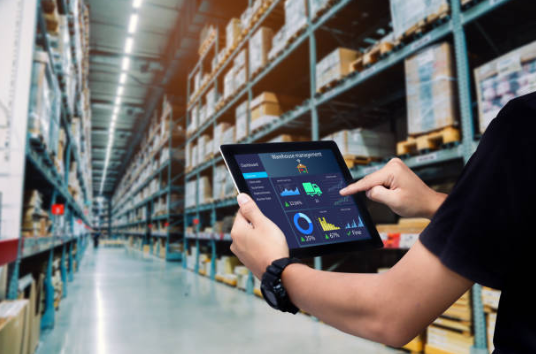
One fear that comes up a lot when businesses consider outsourcing fulfillment is losing visibility or control over their own operation, and that's a fair concern honestly, it happens sometimes with the wrong provider. Good fulfillment partners actually offer dashboards and reporting that give business owners more visibility than they had running things manually, not less, showing shipping times, error rates, inventory levels, return patterns, all in one place instead of scattered across notebooks or spreadsheets nobody updates consistently. The key really is choosing a provider who treats the relationship as a partnership instead of just a transaction, someone willing to communicate proactively about issues instead of making the business chase down answers every time something feels off. Businesses that do this well tend to actually gain more strategic control over their operation once fulfillment gets handed off, simply because they're not buried in daily logistics anymore and can actually think ahead instead of just reacting.
What To Actually Look For When Comparing Providers
A handful of specific things separate a solid fulfillment partner from one that's going to cause headaches down the road, and it's worth digging past the sales pitch to actually find out. Ask about their typical processing time from order received to shipment, since promises around fast shipping sometimes come with fine print about cutoff times that aren't obvious upfront. Ask how they handle mistakes too, because errors happen with every provider eventually, and how a company responds when something goes wrong tells you a lot more than how smooth their sales pitch sounded. Check whether their warehouse network actually matches where your customers are located, since a provider with warehouses in the wrong regions doesn't solve the speed problem you're trying to fix in the first place. And it's genuinely worth talking to current or former clients if you can find any, since reviews and case studies only tell part of the story most of the time.
Conclusion
At the end of the day, deciding whether to outsource shipping isn't just about the moment you're feeling overwhelmed, it's about actually looking at the numbers, the growth trajectory, and what customers expect from your specific business right now. Whether you're exploring ecommerce fulfillment Canada wide because you're drowning in boxes at home or just curious whether warehouse fulfillment makes sense before things get out of hand, taking the time to actually compare real costs against real time saved usually makes the decision clearer than it feels in the moment. It's not always an easy call, and there's no universal right answer here, but most business owners who make the switch at the right time end up wishing they'd done it sooner rather than the other way around.
 English
Join our community to interact with posts!