
People keep throwing around energy-efficient this, sustainable that. It all starts to blur after a while. But somewhere in the middle of all that noise, you’ve probably heard someone ask, what is Passivhaus and why is it suddenly such a big deal? Fair question. Because this isn’t just another trendy buzzword builders slap on brochures. It’s actually a pretty strict, numbers-driven way of building homes that perform… really well. Not kinda well. Seriously well. And homeowners? They’re catching on. Fast.
What Is Passivhaus, Really?
Let’s not overcomplicate it. The short answer is, Passivhaus is a building standard focused on extreme energy efficiency and comfort. That’s it. No magic. No gimmicks. Just smart design and careful construction. It started in Germany, which makes sense, because they don’t mess around with engineering. The idea is simple: build a house so well insulated and airtight that it barely needs heating or cooling. Sounds unrealistic at first, yeah. But it works. And it’s been working for decades now. The long answer gets more technical, air exchange systems, thermal bridges, insulation layers, but honestly, most homeowners don’t care about the jargon. They care about results. Lower bills. Stable indoor temps. No drafts creeping in at 2 a.m.
Why These Homes Feel Different (In a Good Way)
You walk into a Passivhaus, and something feels… off. In a good way. It’s quiet. Like, properly quiet. Outside noise barely sneaks in. The temperature doesn’t swing wildly from room to room either. Truth is, most houses leak. Air leaks, heat leaks, money leaks. You just get used to it. Passivhaus flips that idea. Everything is sealed tight, but not in a suffocating way. Fresh air is constantly filtered in through a ventilation system, so you’re not breathing stale air. It’s comfortable in a way that’s hard to explain until you’ve experienced it. No cold spots near windows. No blasting the heater just to feel warm. It just… stays right.
The Real Reason Homeowners Are Switching
Let’s be real. People aren’t choosing Passivhaus just because it sounds cool at dinner parties. It comes down to money and lifestyle. Energy costs aren’t going down anytime soon. That’s obvious. A Passivhaus can cut energy use by up to 80–90% compared to a standard home. That’s not a small difference. That’s the kind of thing you actually notice every month when bills come in. And then there’s long-term thinking. More homeowners are starting to ask, “What am I locking myself into for the next 20 years?” A poorly built house becomes expensive over time. Repairs, inefficiency, constant fixes. A high-performance home avoids a lot of that mess upfront.
Modern Passive House Designs Are Changing the Look
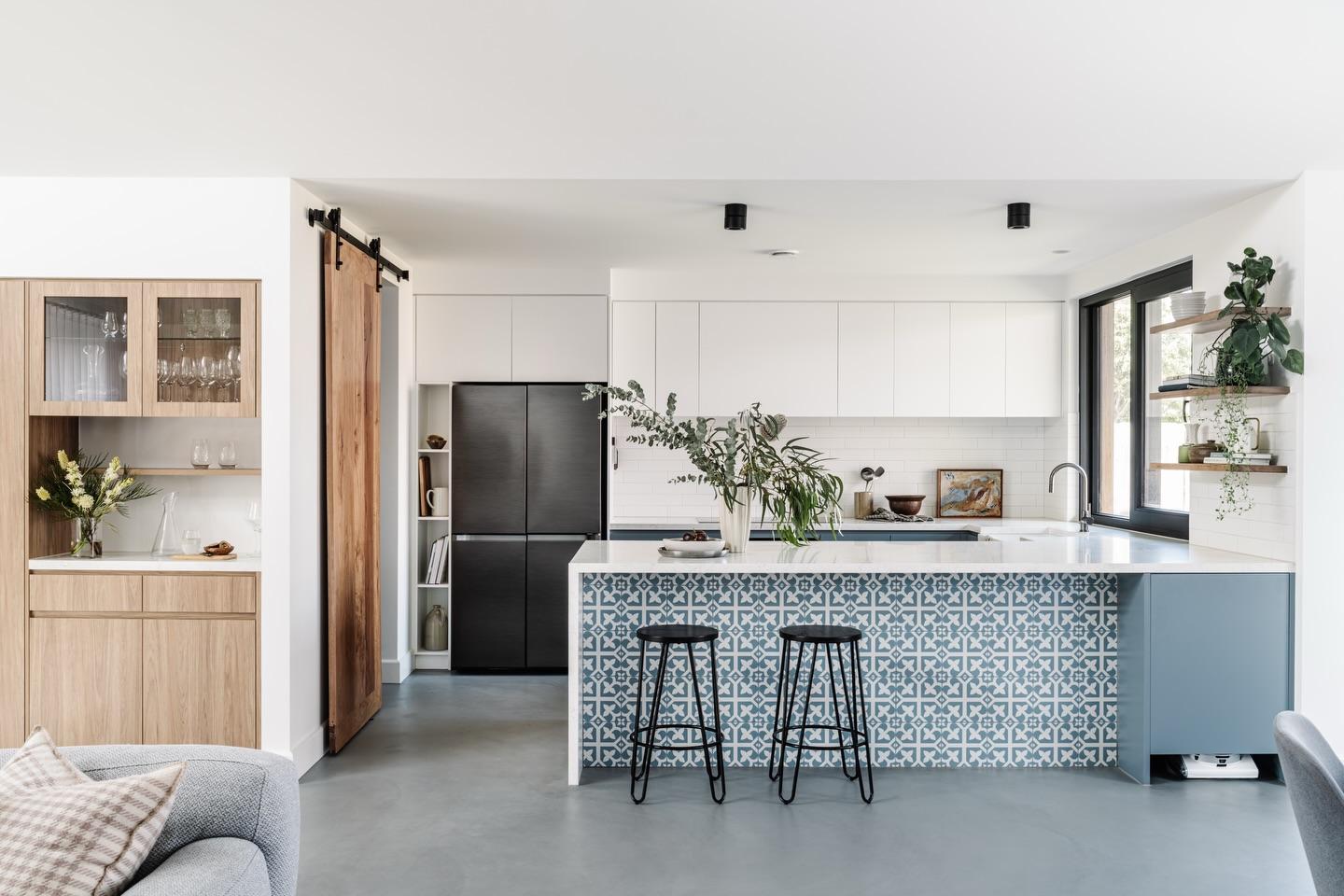
Now here’s where some people get it wrong. They picture these homes as boxy, boring, kind of… lifeless. That used to be true in some early cases, sure. Not anymore. Modern Passive House Designs are actually pretty sharp. Clean lines, big windows, smart layouts. Architects have figured out how to balance performance with style, instead of sacrificing one for the other. You’ll see open-plan living spaces, natural light used properly (not just thrown in randomly), and materials that actually make sense for the climate. It’s not about showing off. It’s about making everything work together.
Is It Expensive? Yeah… But Not the Way You Think
Okay, here’s the part people hesitate on. Cost. Upfront, yes, a Passivhaus can cost more to build. Not insanely more, but enough to make you pause. Better insulation, higher-quality windows, tighter construction standards, it adds up. But here’s the flip side. You spend less every single year after that. Lower utility bills, fewer maintenance issues, better durability overall. Over time, the gap closes. Sometimes faster than people expect. It’s not cheap vs expensive. It’s short-term vs long-term thinking. Big difference.
The Build Process Is More Demanding
You can’t just tell a random builder, “Hey, make it Passivhaus,” and expect it to happen. Doesn’t work like that. The process is stricter. Way stricter. Every detail matters, how walls connect, how windows are installed, how air sealing is handled. One small mistake can mess up performance. That’s why certified designers and builders are usually involved. It’s more planning upfront, more coordination. Slightly slower, maybe. But the result? A home that actually performs the way it’s supposed to. And honestly, that level of accountability is something the construction industry could use more of.
It’s Not Just About Energy, It’s About Living Better
People focus a lot on energy savings, which makes sense. But that’s not the whole story. Indoor air quality is a big deal. Passivhaus homes constantly filter incoming air, removing dust, allergens, even pollutants. For families dealing with asthma or allergies, that’s huge. Then there’s durability. Moisture control is handled properly, which reduces mold risks. Materials last longer. The house ages better. So yeah, it saves energy. But it also creates a healthier place to live. That part doesn’t always show up on a spreadsheet, but it matters.
Conclusion
So, back to the question, what is Passivhaus and why are people choosing it? It’s not a trend. Not really. It’s more like a correction. A shift toward building homes that actually make sense in the long run. Less waste, more performance, better comfort. Simple idea, just executed properly. Environmentally Friendly Houses are becoming the preferred choice for homeowners who want lasting value without sacrificing comfort or efficiency. Homeowners are tired of dealing with inefficient houses that cost more over time. They want something solid. Predictable. Comfortable without constant tweaking. Passivhaus delivers that. Not perfectly, sure, nothing is, but close enough that people are paying attention now. And once you understand how it works, it’s kinda hard to go back to the old way of building. Honestly.
 English
Join our community to interact with posts!