
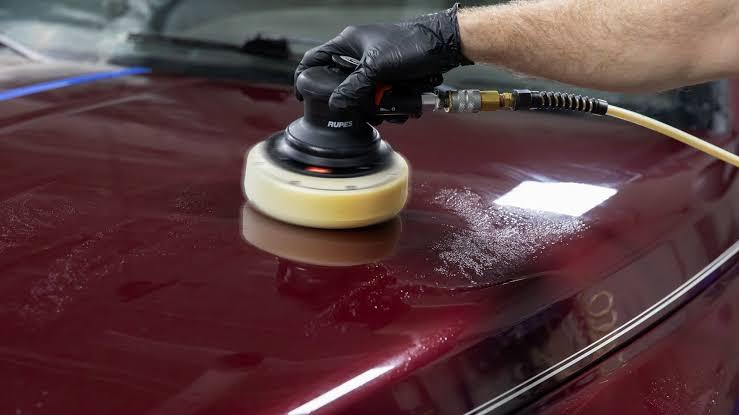
That shiny new-car look disappears quicker than most people expect once the first scratches show up. A solid Scratch Remover for Cars can restore a surprising amount of that finish without hauling the vehicle into a body shop. This piece walks through what these products actually do, when they work, and how to get the best results so your car stops looking tired.
What Scratches Really Do to Your Car’s Look
You know the drill. One careless door ding in a parking lot, a low branch scraping the side, or even a rough sponge during a wash and there it sits, that bright white line screaming for attention. Suddenly the whole vehicle feels older and neglected. A decent Scratch Remover for Cars fills the groove and blends the surrounding paint so the mark nearly vanishes from normal viewing distance. Clear coat takes the hit first most times. Once that layer is broken, dirt and sun dig in faster. Catching it early with the right product slows the damage and keeps the body looking cared for.
How Scratch Remover for Cars Actually Works
Most of these formulas use mild abrasives that polish away a thin layer of clear coat around the scratch. Fillers or polymers then level what’s left so light reflects evenly again. You apply it, let it haze, and buff it off with a clean microfiber. Simple process for a weekend afternoon. Just don’t expect miracles on deep cuts that reach primer or metal. Those still need professional help. For the everyday surface marks though, a good Scratch Remover for Cars turns an eyesore into something you barely notice from a few steps back. I’ve used a few myself and been honestly surprised how long the improvement lasts through regular washes.

Different Types of Scratches and What Works Best
Not every scratch is created equal. Light swirl marks from automatic car washes usually respond well to basic compounds. Deeper key marks or stone chips need something stronger, sometimes a two-step approach. Always test a small hidden spot first because paint hardness varies by color and manufacturer. Clear coat scratches show as white lines and are the easiest to fix at home. When the base color is involved the job gets trickier and may call for a color-matched product. Taking a minute to identify the depth saves time and prevents making the area worse.
DIY Versus Professional Scratch Removal
Doing the work yourself feels good when it succeeds and saves real money. Most kits include pads and clear instructions so almost anyone can handle light damage. Work in the shade, keep the surface clean, and don’t rush the buffing or you’ll add new swirls. Some jobs still belong to the pros though. Curved panels, areas near trim, or large sections are easy to botch under average garage lighting. A detailer has better tools and more experience matching the factory finish. For minor stuff a solid Scratch Remover for Cars gets you most of the way without the shop invoice.
The Real Benefits Beyond Just Looks
Looks are the obvious win, but scratches also let moisture reach the metal. In places that salt the roads that moisture turns into rust faster than people realize. Fixing the marks early with a Scratch Remover for Cars protects the panels and slows that process. Resale value gets a quiet boost too. Buyers notice every mark on a test drive. A cleaner surface photographs better and signals that the car was looked after. I’ve sold a couple vehicles where a quick treatment made the difference between an average offer and a better one.
Common Mistakes People Make with Scratch Remover
Rushing tops the list. Guys pile the product on thick, give it one quick wipe, and then complain it still shows. Follow the haze time and use steady even pressure. Cheap fillers that rinse off after the first rain are another letdown. Spend a bit more on something with solid feedback. Skipping the wash and clay bar step before you start traps dirt under the product and creates a mess. Black and dark colors show every leftover swirl, so extra care pays off there.
Prep Work That Makes All the Difference
Start with a clean car every time. Wash, dry, and clay the area so nothing sits under the compound. Tape off nearby panels and trim so you don’t accidentally dull good paint. Good lighting helps you see the scratch clearly instead of guessing. These steps take longer than people want but they separate average results from ones that actually look finished. I’ve watched friends skip prep and then blame the product. The surface has to be ready or the Scratch Remover for Cars cannot do its job properly.
Maintaining That New Look After Treatment
Once the scratch is gone the work is only half done. Stick to pH-balanced soap, soft wash mitts, and proper drying to avoid new marks. Park away from trees and tight spots when you can. A layer of quality wax or ceramic coating over the treated area adds protection that lasts through weather and washes. Touch up any fresh light marks quickly before they set. Cars will never stay perfect after a few years on the road, but they don’t have to look rough either. Steady habits keep the improvement you just made.
When It’s Time to Call in the Experts
Home methods hit a wall sometimes. Deep gouges, large panels, or damage that involves plastic trim usually look better after professional paint correction. A skilled detailer can blend the repair so the eye never catches it and match metallic flake or clear coat correctly. There is no shame in mixing approaches. Use a Scratch Remover for Cars on the small everyday marks and leave the serious stuff to people who do it every day. The car ends up looking better and the trade-in number later reflects that care.
Real Talk on Expectations
No product turns a beat-up car into a showroom piece overnight. For the normal collection of parking lot scars and wash swirls though, the results can be genuinely satisfying. I’ve fixed my own rides and a few belonging to friends. The difference comes down to choosing the right strength for the scratch and taking the time to apply it properly. People often underestimate how much cleaner a car feels without those white lines staring back. After a good treatment you catch yourself glancing at it in the driveway a little longer.
Conclusion
At the end of the day a Scratch Remover is one of those practical tools that actually delivers without costing a fortune. It restores a bit of that new-car appearance, helps block moisture that leads to rust, and makes the vehicle feel better every time you walk up to it. Don’t let the marks pile up until the whole car looks neglected. Pick a reliable product, put in the effort, and enjoy a ride that looks sharper than its age. Both the wallet and the daily drive will feel the improvement.
 English
Join our community to interact with posts!