
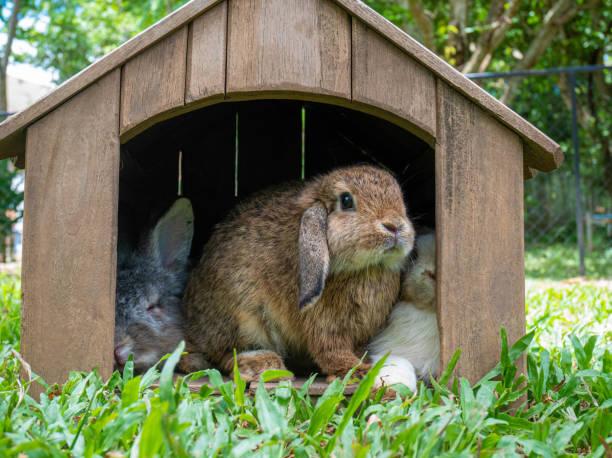
Rabbits are not like cats or dogs. They're prey animals, and a sudden change in environment can genuinely rattle them in ways that go beyond just being grumpy for a day. If you're planning a trip and need to board your bunny for the first time, it's completely normal to feel nervous about it. The good news is that a little preparation goes a long way. Owners who look into Best Rabbit Boarding in Fullerton CA well before their travel date tend to have much smoother experiences, partly because they've had time to get their rabbit ready and partly because they've had time to get themselves ready too. This guide walks you through what to do, what to bring, and what to watch for when your rabbit comes home.
Why Rabbits Need Extra Care Around Boarding
Most people know rabbits are sensitive. But the depth of that sensitivity surprises a lot of new rabbit owners. Rabbits can go into GI stasis, a condition where their digestive system slows or stops, when they're under serious stress. It's not rare, and it can turn dangerous fast. Unlike a dog who might bark and settle, a rabbit often goes quiet and still, which means you can miss the warning signs entirely if you don't know what to look for.
Their whole system is wired for alertness. New smells, new sounds, unfamiliar handling, all of it registers as potential danger. That doesn't mean boarding is a bad idea. It means the preparation matters more than it would for most other pets. A facility that understands rabbit behavior and keeps the environment calm makes a real difference. So does going in with the right information and supplies.
Getting Your Rabbit Used to the Carrier First
Don't wait until the morning you leave to pull out the carrier. Seriously. If your rabbit has never been in it, that carrier is just a weird plastic box that smells like nothing familiar. Start leaving it open in their space a week or two before the trip. Let them sniff it, hop in and out, maybe even eat a treat inside it.
Short practice runs help a lot. Put them in the carrier for ten or fifteen minutes, just sitting in the house, then let them out. Do it a couple of times over several days. The goal is for the carrier to feel boring and normal, not alarming. You can also put a small piece of their used bedding inside so it smells like home. That one detail alone can take the edge off for a lot of rabbits.
If your rabbit absolutely refuses to calm down in the carrier even after a week of exposure, that's worth mentioning to the boarding facility ahead of time. They may have suggestions, or they can at least be prepared to handle a more anxious arrival.
What to Pack for the Stay
Bringing the right stuff matters. A lot. Here's what most experienced rabbit owners bring when boarding their bunny:
-
Hay. Bring more than you think you'll need. Timothy hay should make up the bulk of your rabbit's diet, and a familiar brand and texture keeps things consistent during the stay.
-
Familiar bedding. A handful of their used litter or a small piece of fleece from their enclosure carries their scent. That smell is calming in a way that no amount of extra handling can replicate.
-
Their regular pellets. Don't let the facility switch brands mid-stay. Even small diet changes can cause digestive upset in rabbits.
-
A favorite toy or chew. Something they interact with daily. It's a small comfort item, but it helps.
-
Health records. Vaccination history if applicable, any recent vet visits, and the name and number of your vet.
-
Written care instructions. More on this below.
Rabbit Boarding in Fullerton CA facilities that specialize in small animals will usually have their own hay and supplies on hand, but bringing your rabbit's own stuff reduces the number of new variables they have to adjust to all at once.
What to Tell the Boarding Facility
A good boarding facility will ask you questions. But don't wait to be asked. Write it all down and hand it over when you drop off your rabbit. The more specific, the better.
Cover their daily schedule. What time do they eat? How much pellet do they get? Do they get leafy greens, and if so, which ones and how much? Some rabbits have sensitive stomachs and can't handle certain vegetables even in small amounts. Also mention their litter habits. A rabbit who suddenly stops using their litter box during boarding might be stressed, and the staff needs to know what's normal for your specific rabbit.
Share any medical history that's relevant. If your rabbit has had GI issues before, or takes any supplements, or has a tendency to overheat, write it down. Critter Lodge is one facility that specifically accommodates small animal needs and asks for this kind of detailed intake information, which is exactly the approach you want from any place you're trusting with a prey animal.
You can also mention how your rabbit typically responds to strangers. Some rabbits are social and curious. Others are skittish and need slow, quiet approaches. That information helps staff interact with them in a way that doesn't spike their anxiety.
Understanding Rabbit Stress Responses
Rabbits don't show stress the way dogs do. They don't whine or pace noticeably. Instead, they go still, stop eating, or start thumping. Understanding rabbit behaviour and stress signals can help you spot problems early, both before you leave and after you get home.
When you pick your rabbit up, don't expect them to be immediately thrilled to see you. Some rabbits act standoffish for a day or two after boarding. That's normal readjustment. What you're watching for is different. Not eating hay within a few hours of getting home is a flag. A hunched posture, grinding teeth, or a bloated belly are signs you'd want to call your vet about. Most rabbits settle back into their routine within 24 to 48 hours if the boarding experience was calm and handled well.
Best Rabbit Boarding in Fullerton CA options that keep rabbits in quiet, low-traffic areas and maintain consistent feeding schedules tend to produce the smoothest returns home. Ask about the facility's setup before you book.
Booking and What to Do Before Drop-Off Day
Book early, especially around holidays. Rabbit Boarding in Fullerton CA spots fill up faster than you'd think, particularly at small-animal-specific facilities where space is limited by design. Calling a week or two out is cutting it close during peak travel seasons.
Schedule a vet check before you go if your rabbit is due for one or if anything seems slightly off. Boarding a rabbit who's already a little under the weather is risky, and most good facilities will turn away animals showing signs of illness anyway. Better to catch anything early and deal with it before the trip rather than mid-stay.
Also confirm the facility's drop-off and pickup windows. Some places have specific hours and don't do late pickups. Knowing that in advance saves a lot of last-minute scrambling.
Frequently Asked Questions
Is it safe to board a rabbit?
Yes, as long as the facility has experience with rabbits specifically. Rabbits have different needs than cats or dogs, so a general pet kennel isn't always a great fit. Look for a place that handles small animals regularly and understands things like GI stasis and hay-based diets.
How far in advance should I book rabbit boarding?
At least two to three weeks out for regular travel, and longer around major holidays. Small animal boarding spots are limited, and the good ones fill up fast.
Should I bring my rabbit's own food?
Yes, and it's honestly one of the most important things you can do. Switching hay brands or pellet types mid-stay can cause digestive upset. Bring enough of your rabbit's usual food to cover the whole stay, plus a little extra just in case.
What if my rabbit stops eating during boarding?
This is something the facility should contact you about right away. A rabbit who hasn't eaten hay in several hours needs attention. Make sure the boarding staff knows to flag this immediately and that they have your contact information and your vet's number.
How do I know if my rabbit is stressed after coming home?
Watch for not eating, a hunched or tense body posture, and no poops in the litter box. Some mild standoffishness is normal for a day or so. But if they're not eating hay within a few hours of getting home, or if they seem in pain, call your vet. Most rabbits bounce back quickly after a well-managed boarding stay.
The more legwork you do before the trip, the better the whole experience tends to go, for your rabbit and for you. A calm, prepared drop-off usually leads to a calm, easy pickup. And that peace of mind while you're traveling is worth every bit of the prep work.
 English
Join our community to interact with posts!