
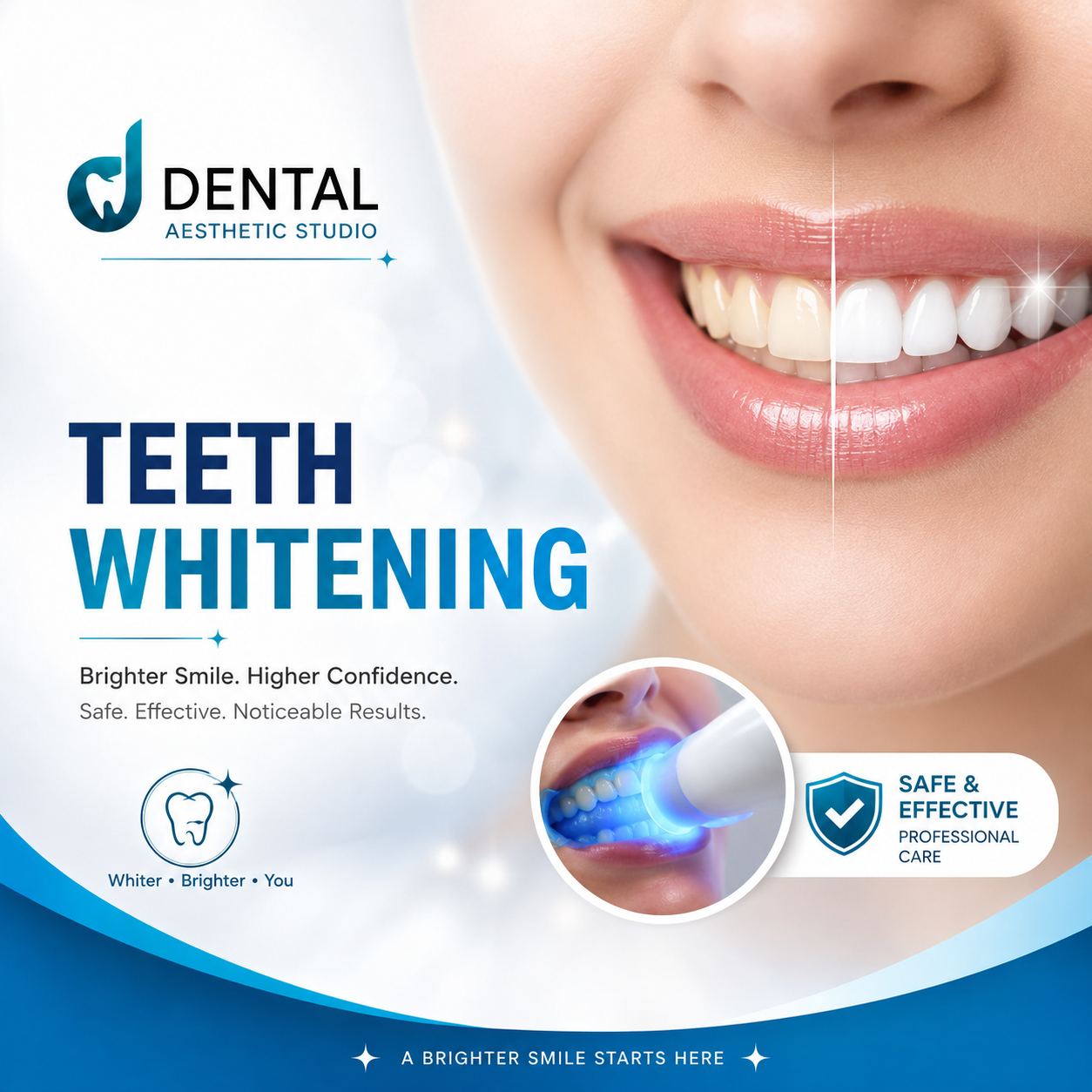
Teeth whitening can brighten your smile, but some people experience temporary tooth sensitivity afterward. This sensitivity may feel like a sharp sensation when drinking something cold, hot, sweet, or acidic. In most cases, it improves within a short period with proper care.
If you are considering professional teeth whitening in Islamabad, understanding how to manage sensitivity can help make your whitening experience more comfortable.
Why Does Tooth Sensitivity Happen After Whitening?:
Whitening treatments work by using bleaching agents that help remove stains and lighten the appearance of teeth. During this process, the whitening ingredients can temporarily affect the tooth enamel and expose the underlying dentin to temperature changes. This may cause short-term sensitivity.
The level of sensitivity varies from person to person. People with naturally sensitive teeth, enamel wear, gum recession, cavities, or existing dental problems may be more likely to experience discomfort after whitening. For information about teeth whitening prices in Pakistan, it is also helpful to consider the type of whitening treatment being offered.
Use a Toothpaste for Sensitive Teeth:
One of the easiest ways to reduce sensitivity is to use toothpaste specifically formulated for sensitive teeth. Ingredients such as potassium nitrate or fluoride may help reduce sensitivity by calming the nerves or strengthening the tooth surface.
Brush gently with a soft-bristled toothbrush and avoid aggressive brushing. Using too much pressure can irritate the gums and contribute to sensitivity.
Avoid Very Hot and Cold Foods:
For a few days after whitening, try to avoid extremely hot or cold foods and drinks. Ice cream, iced beverages, very hot tea, and similar items may trigger sharp sensations.
Choose foods and drinks closer to room temperature. If you experience sensitivity when drinking cold beverages, using a straw may help reduce direct contact with the teeth.
Limit Acidic and Sugary Foods:
Acidic foods and drinks can temporarily make teeth more vulnerable to sensitivity. Citrus fruits, carbonated drinks, sports drinks, and vinegar-based foods may increase discomfort for some people.
It is also wise to limit highly sugary foods immediately after whitening. Maintaining good oral hygiene and rinsing your mouth with water after meals can help protect your teeth.
Consider a Fluoride Treatment:
Fluoride can help strengthen enamel and may reduce sensitivity following whitening. Your dentist may recommend a fluoride gel, rinse, or professional fluoride treatment depending on your individual needs.
If sensitivity is significant or lasts longer than expected, speak with a dental professional. Persistent sensitivity may indicate an underlying issue that should be examined before additional whitening treatments are performed.
Give Your Teeth Time to Recover:
Temporary sensitivity is often managed by giving your teeth a short break from whitening products. Avoid repeating whitening treatments too soon, particularly if your teeth remain sensitive.
Following your dentist's instructions can help protect your enamel and reduce the chance of prolonged discomfort. Professional whitening should always be performed according to the recommended treatment schedule.
When Should You See a Dentist?:
Mild sensitivity after whitening is usually temporary. However, you should contact a dentist if the discomfort is severe, continues for an extended period, affects only one tooth, or occurs without exposure to hot or cold foods.
A dental examination can help determine whether sensitivity is related to whitening or another issue such as tooth decay, cracked enamel, gum recession, or an existing dental problem.
For general dental information and professional treatment options, you can also visit Dental Aesthetic Studio.
Final Thoughts:
To reduce tooth sensitivity after whitening, use sensitive-teeth toothpaste, avoid extreme temperatures, limit acidic foods, maintain gentle oral hygiene, and give your teeth time to recover. If sensitivity persists or becomes severe, professional dental advice is recommended.
With appropriate preparation and aftercare, you can enjoy a brighter smile while keeping your teeth comfortable and healthy.
 English
Join our community to interact with posts!