
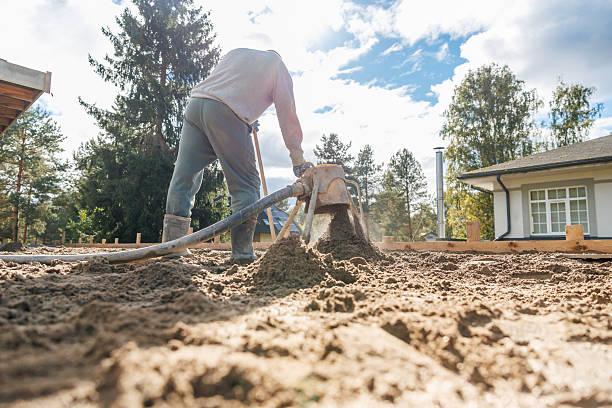
You might look at a pile of sand and think, “Well... sand is sand, right?” Not really. Once it goes into a construction project, the small details can start making a big difference. One issue that can quietly cause trouble is having too many fine particles mixed into the material.
When construction grade sand contains an excessive amount of very fine material, it may not perform the way the project needs it to. The sand can become harder to handle, compact, drain, or mix properly, depending on where it is being used. And honestly, this is the kind of problem nobody wants to discover after the material is already spread across the job site.
Let us break it down in simple terms.
So, What Are Fine Particles Anyway?
Fine particles are the extra-small bits mixed in with the sand. Some amount of fine material can be normal depending on the type of sand and its intended use. The trouble starts when there is too much of it.
Think about pouring sugar through a strainer. Larger grains move through differently than powder. Sand behaves in a similar way. When too many tiny particles fill the spaces between larger grains, the whole material can start acting differently.
And that difference can show up in more places than you might expect.
Compaction Can Become a Headache
One of the first problems can be inconsistent compaction.
Sand with a good balance of particle sizes can settle in a more predictable way. But when there are too many fines, the material may hold together differently and become difficult to work with. It can feel overly dense in some spots and loose in others.
Ugh... nobody wants to finish grading an area only to notice that the surface is not behaving as expected.
For construction crews, this can mean more time spent adjusting, spreading, and preparing the material before moving on to the next step.
Water May Not Move Through the Sand Properly
Too many fine particles can also affect drainage.
The tiny particles can fill the open spaces between larger sand grains. As those spaces become smaller, water may have a harder time moving through the material.
That can be a real concern in areas where drainage matters. Water that does not move as expected can leave the surface wet, soft, or messy. And once moisture starts causing problems, the work around it can become more frustrating too.
Sometimes a project needs material that allows water to move through more freely. In that case, particle size matters... a lot.
It Can Change How the Sand Mixes
If sand is being used in a mix, excess fines can affect how everything comes together.
The material may require more adjustment during mixing, and the final consistency might not feel the same from one batch to another. This can make it harder for crews to get the result they are aiming for.
It is a little like making pancake batter. Add the right amount of each ingredient, and everything comes together nicely. Add too much flour, though, and suddenly you are dealing with a completely different texture.
Construction materials are obviously not pancake batter... but you get the idea.
The Surface Can Become More Difficult to Work With
Fine-heavy sand can also change the feel of the finished surface. It may become dusty when dry or hold moisture longer when wet.
That can create extra work during installation and maintenance. Depending on the application, workers may have trouble getting the surface level or keeping the material in the desired condition.
A small difference in the material can turn into a bigger issue once it covers a large area. That is why checking the intended use before ordering is always a smart move.
Choosing the Right Sand Makes the Job Easier
There is no single type of sand that works perfectly for every project. Some applications need cleaner, coarser material, while others may require a different blend.
The important thing is matching the material to the job.
Before ordering construction grade sand, it helps to think about where it will be used, how it needs to perform, and whether drainage, compaction, or mixing is important. A quick conversation before delivery can save a lot of second-guessing later.
At Western Materials, we understand that construction projects do not need more surprises. Choosing the right sand from the beginning can help the job move along more smoothly and avoid unnecessary rework.
Because really... why make the project harder than it needs to be?
FAQs
1. What happens if construction sand has too many fine particles?
Too many fine particles can affect drainage, compaction, mixing, and the overall workability of the material. The sand may behave differently than expected for the intended application.
2. Can fine particles affect drainage?
Yes. Very small particles can fill the spaces between larger sand grains, making it harder for water to move through the material.
3. Does every construction project need the same type of sand?
No. Different projects have different requirements. The right material depends on how and where the sand will be used.
4. Can excess fines make a surface harder to maintain?
They can. Fine-heavy material may become dusty in dry conditions or retain more moisture in wet conditions, depending on the application.
5. How can we choose the right sand for a project?
Start by considering the purpose of the material. Think about drainage, compaction, mixing, and the type of surface being created. A reliable supplier can also help you choose a suitable option.
 English
Join our community to interact with posts!