
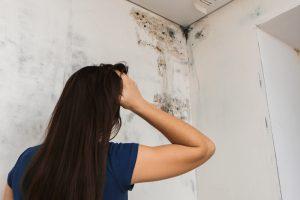
Mold can become a serious property concern when moisture enters areas where it should not be. Leaking pipes, roof problems, condensation, flooding, high indoor humidity, and damp basements or crawl spaces can all create conditions where mold may grow. While a small surface spot may sometimes be manageable, larger or recurring mold problems require a careful approach that addresses both the visible growth and the moisture source.
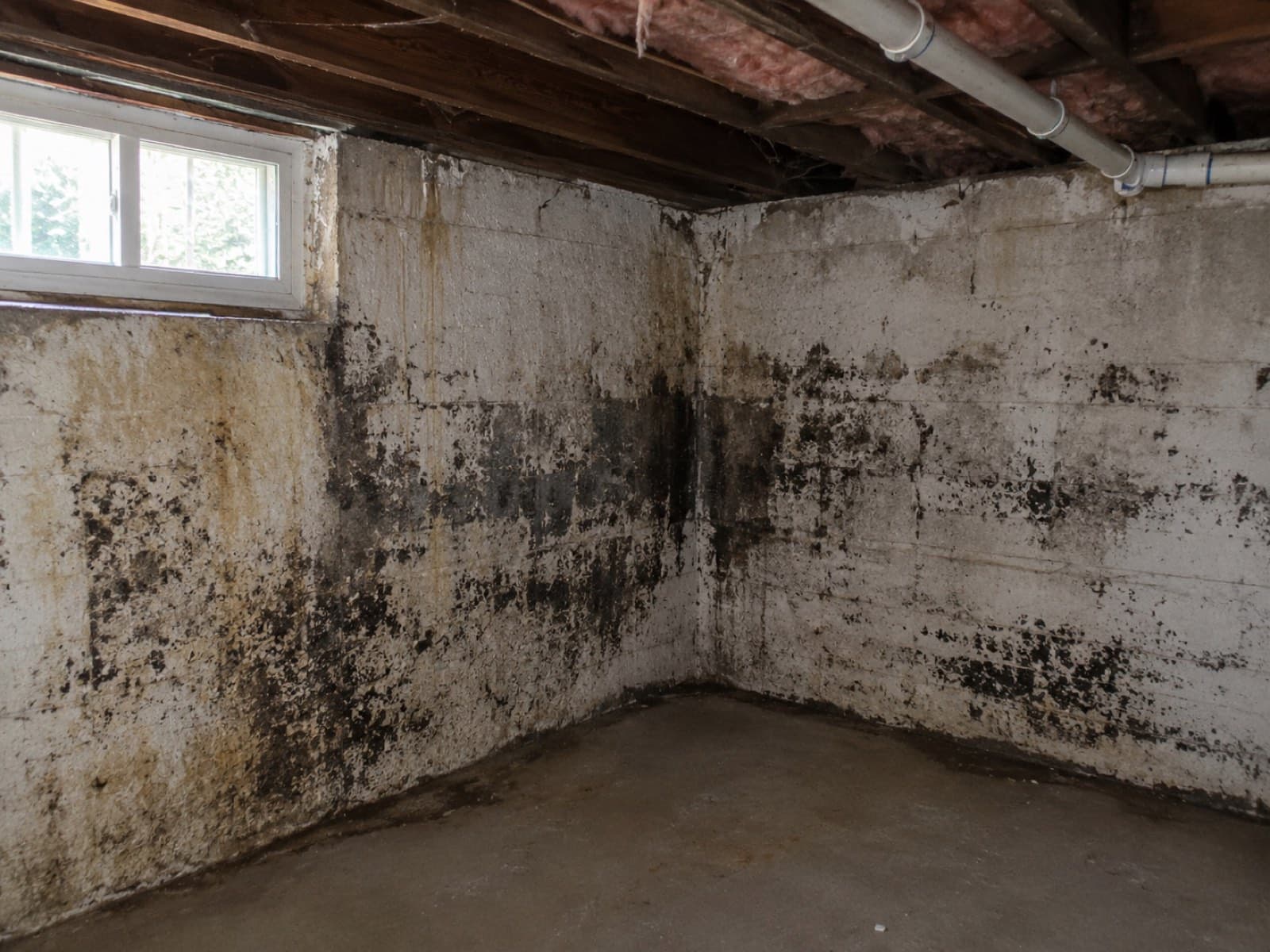
For homeowners and property owners searching for Expert Mold Remediation Services in New Canaan, CT, professional remediation can provide a structured way to identify affected areas, control the source of moisture, remove contaminated materials when necessary, and restore the affected space. The U.S. Environmental Protection Agency emphasizes that moisture control is the key to controlling indoor mold and recommends addressing the underlying water problem as part of cleanup.
What Is Mold Remediation?
Mold remediation is the process of addressing indoor mold growth and the conditions that allowed it to develop. It is more comprehensive than simply wiping visible mold from a surface. A proper remediation project considers the extent of the affected area, moisture conditions, building materials, containment needs, removal of damaged materials, cleaning, drying, and prevention of recurrence.
The Connecticut Department of Public Health explains that mold abatement and remediation refer to correcting a mold problem, with realistic goals including eliminating visible mold, reducing hidden mold, and returning mold levels toward what would normally be found in comparable unaffected indoor areas.
Why Does Mold Grow Inside Homes?
Mold spores naturally exist in indoor and outdoor environments. They become a problem when they encounter suitable conditions, particularly moisture.
Common causes of indoor mold growth include:
· Plumbing leaks
· Roof leaks
· Flooding
· High indoor humidity
· Condensation
· Poor ventilation
· Wet insulation
· Damp basements
· Crawl-space moisture
· HVAC moisture problems
· Water intrusion around windows and doors
According to the Connecticut Department of Public Health, indoor mold growth can occur when moisture problems such as leaks, flooding, or high humidity provide the conditions needed for growth.
Why Is Moisture Control So Important?
Removing visible mold without addressing moisture can result in recurring growth. If a leaking pipe continues to supply water or a damp basement remains humid, the conditions that support mold have not actually been corrected.
The EPA states that if mold is cleaned but the underlying water problem is not fixed, the mold is likely to return.
This is why professional remediation should focus on the cause as well as the visible problem.
What Are the Signs of a Mold Problem?
Mold is not always immediately visible. Sometimes the first indication is an odor, staining, or a recurring moisture problem.
Potential signs include:
· Musty odors
· Dark or discolored patches
· Peeling paint
· Stained ceilings
· Damp walls
· Swollen drywall
· Persistent condensation
· Recurring bathroom growth
· Wet insulation
· Moist crawl-space areas
· Mold returning after cleaning
A musty odor alone does not prove that mold is present, but it can justify investigating areas where moisture may be concealed.
Can Mold Be Hidden Behind Walls?
Yes. Mold can develop in concealed areas when moisture enters wall cavities, ceilings, insulation, flooring assemblies, or other enclosed spaces.
For example, a small plumbing leak inside a wall may remain unnoticed until staining or odor develops. Similarly, a roof leak can allow moisture to enter attic insulation or ceiling materials.
Professional assessment can help determine whether visible mold represents a larger moisture problem.
When Should You Consider Professional Mold Remediation?
Not every small mold spot requires a professional remediation company. The EPA notes that areas of less than approximately 10 square feet can often be handled by homeowners using appropriate precautions, while larger areas or situations involving substantial water damage may warrant professional assistance.
Professional help can be especially appropriate when:
· Mold covers a large area
· Mold keeps returning
· There has been significant water damage
· Mold may be hidden
· Porous materials are affected
· HVAC systems may be contaminated
· Sewage or contaminated water is involved
· The source of moisture is unclear
· Extensive demolition may be required
The Connecticut Department of Public Health also provides guidance for homeowners considering whether to hire experienced professionals for mold assessment and cleanup.
What Does Professional Mold Remediation Involve?
A professional remediation project can vary depending on the property and severity of the problem. However, a structured process commonly begins with an evaluation.
1. Property Assessment
The first step is to understand where mold or moisture is present. Professionals may inspect visible areas and investigate conditions that could support hidden growth.
2. Identify the Moisture Source
Finding the source of moisture is essential. It could be a plumbing leak, roof problem, drainage issue, condensation, or excessive humidity.
3. Establish Containment When Appropriate
For larger projects, affected areas may need to be isolated to reduce the spread of dust and mold particles during remediation.
4. Remove Damaged Materials
Porous materials that cannot be effectively cleaned may need to be removed. This can include severely affected drywall, insulation, carpeting, or other materials depending on the circumstances.
5. Clean Affected Surfaces
Appropriate cleaning methods are selected according to the surface and level of contamination.
6. Dry the Area
Drying is a critical part of the process because remaining moisture can support renewed growth.
7. Address the Underlying Problem
Repairs may be needed to stop leaks, improve ventilation, control humidity, or correct other moisture-related issues.
8. Restore the Space
After remediation, damaged building materials may need to be replaced and the affected area restored.
Why Is Professional Containment Important?
During certain remediation projects, disturbing contaminated materials can release particles into the surrounding environment. Appropriate containment and work practices can help limit the movement of dust and contaminants from the affected area.
Professional remediation companies may use barriers, controlled airflow, filtration equipment, and other procedures appropriate to the project.
The exact approach depends on the property's conditions and the scope of contamination.
What About HEPA Filtration?
High-efficiency particulate air filtration can be used as part of professional remediation practices. HEPA-filtered equipment can help capture airborne particles during appropriate cleanup activities.
However, filtration alone does not solve a mold problem. The affected materials and moisture source must also be addressed.
The EPA's mold guidance emphasizes that cleanup should be accompanied by correcting the underlying moisture problem.
Mold Remediation in Basements and Crawl Spaces
Basements and crawl spaces can be particularly vulnerable to moisture. Poor drainage, foundation seepage, plumbing problems, condensation, and inadequate ventilation can contribute to damp conditions.
A professional assessment can consider:
· Foundation moisture
· Standing water
· Damp insulation
· Wood moisture
· Condensation
· Ventilation
· Drainage
· Humidity
If mold is present, remediation should be combined with efforts to control the moisture that caused the problem.
Mold in Attics
Attics can develop mold when roof leaks, condensation, or inadequate ventilation creates persistent moisture.
Signs can include:
· Dark discoloration on wood
· Musty odors
· Damp insulation
· Roof-deck staining
· Condensation
Fixing a roof leak without addressing existing mold may not completely resolve the problem. Conversely, cleaning mold without fixing the leak can allow the issue to return.
Bathroom Mold and Humidity
Bathrooms naturally produce moisture through showers and baths. Without adequate ventilation, humidity can remain high and contribute to recurring mold growth.
Helpful prevention measures include:
· Using exhaust fans
· Improving ventilation
· Drying wet surfaces
· Repairing leaks
· Controlling humidity
· Addressing recurring condensation
The EPA recommends ventilation and humidity control as important strategies for reducing indoor mold growth.
Water Damage and Mold Remediation
Water damage can create favorable conditions for mold growth surprisingly quickly. The EPA recommends drying wet materials and areas within approximately 24–48 hours after a leak or spill when possible to help prevent mold growth.
After a flood or major water intrusion, property owners should act promptly. Wet drywall, carpeting, insulation, and other porous materials may require specialized evaluation.
If water is contaminated by sewage or another hazardous source, professional cleanup is particularly important.
Why Should You Avoid Simply Painting Over Mold?
Painting over visible mold does not address the underlying problem. It may temporarily hide discoloration, but moisture and contamination can remain underneath.
A proper solution focuses on:
Moisture source → affected materials → appropriate cleaning/removal → drying → restoration
The EPA specifically advises that mold should be cleaned and the water problem corrected rather than simply covering the affected area.
Is Mold Testing Always Necessary?
Mold testing is not automatically required for every visible mold problem. The Connecticut Department of Public Health notes that mold sampling/testing is often unnecessary when mold is visibly present and the appropriate response is to remove it and address the moisture source.
Testing may nevertheless be considered in particular circumstances, especially when the source or extent of a problem is uncertain or when documentation is needed.
Property owners should discuss the purpose and limitations of testing with a qualified professional before ordering unnecessary testing.
How Can Mold Affect Indoor Comfort?
Indoor mold can contribute to indoor air-quality concerns. The EPA notes that potential effects associated with mold exposure can include allergic reactions, asthma, and other respiratory complaints.
Not everyone reacts to mold in the same way, and mold exposure should not be assumed to be the cause of a specific health condition. Individuals with health concerns should consult an appropriate healthcare professional.
From a property-management perspective, controlling moisture and removing indoor mold growth are important steps toward maintaining a healthier indoor environment.
How Can You Prevent Mold After Remediation?
Prevention begins with moisture management.
Homeowners can help reduce future mold problems by:
· Repairing leaks promptly
· Keeping indoor humidity under control
· Using bathroom exhaust fans
· Maintaining gutters
· Keeping water away from the foundation
· Addressing condensation
· Checking plumbing regularly
· Drying wet materials quickly
· Maintaining HVAC drainage
· Improving ventilation where necessary
The EPA recommends maintaining indoor relative humidity below 60%, ideally between 30% and 50%, when possible.
How to Choose Expert Mold Remediation Services in New Canaan, CT
Selecting the right remediation company is an important decision. Homeowners should look for professionals with relevant experience, appropriate training, clear procedures, and a willingness to explain the proposed work.
Consider asking:
1. How will you identify the moisture source?
2. How will affected areas be contained?
3. What materials may need to be removed?
4. How will the affected surfaces be cleaned?
5. How will the property be dried?
6. How will you prevent cross-contamination?
7. What restoration work is included?
8. Do you follow recognized industry or government guidance?
9. Will you document the remediation process?
10. Is independent post-remediation verification appropriate for this project?
Connecticut's Department of Public Health provides homeowners with guidance on mold assessment, cleanup, and selecting experienced professionals.
Why Local Knowledge Can Matter
Every property has different construction characteristics and moisture challenges. In New Canaan, older homes, finished basements, crawl spaces, roof assemblies, additions, and renovations can present different conditions that need to be evaluated individually.
A professional who understands local property types and common moisture pathways can approach an inspection with the right questions rather than assuming every mold problem has the same cause.
Frequently Asked Questions
What is the difference between mold removal and mold remediation?
Mold removal generally describes physically removing mold, while remediation is a broader process that includes identifying and correcting moisture sources, cleaning or removing affected materials, and reducing the likelihood of recurrence.
Can mold return after professional remediation?
Yes, particularly if the underlying moisture problem is not corrected. Moisture control is one of the most important parts of preventing recurring mold.
How quickly can mold grow after water damage?
Mold can begin developing on wet materials relatively quickly. The EPA recommends drying wet areas and materials within 24–48 hours when possible to help prevent growth.
Should I clean a large mold problem myself?
Large areas, extensive water damage, contaminated water, hidden mold, or HVAC involvement can justify professional assistance. The EPA recommends consulting experienced professionals for larger mold problems.
Does mold always have a strong smell?
No. Some mold problems may have a musty odor, but odor alone is not a reliable way to determine the presence or extent of mold.
Final Thoughts
Mold is ultimately a moisture problem as much as it is a cleaning problem. Simply wiping a visible surface may not solve the issue if water continues entering the building or humidity remains high. Effective remediation focuses on identifying the source, controlling moisture, safely addressing affected materials, cleaning appropriate surfaces, drying the area, and restoring the property.
For homeowners searching for Expert Mold Remediation Services in New Canaan, CT, choosing an experienced professional can be an important step when the problem is extensive, recurring, hidden, or connected to significant water damage. A thoughtful remediation strategy can help protect the property while supporting better indoor environmental conditions
Written by: Rank Business Listings
 English
Join our community to interact with posts!