
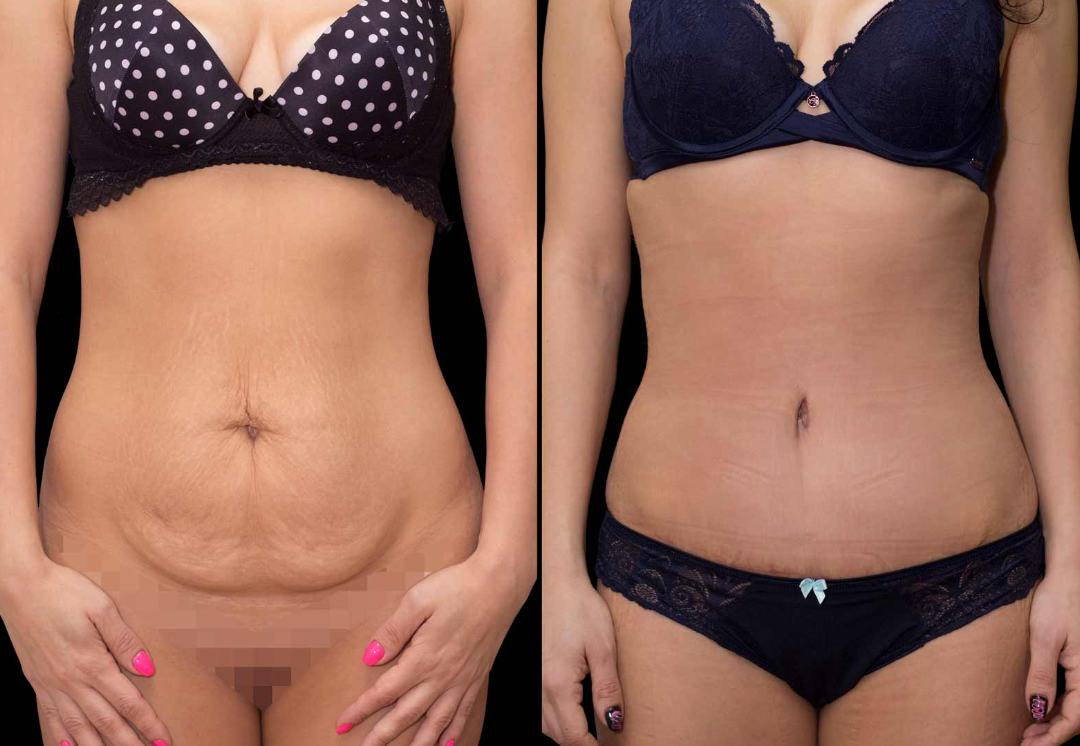
Recovery is an important part of the tummy tuck journey. While the procedure itself reshapes the abdominal area by removing excess skin and, when appropriate, addressing weakened muscles, the body needs time to heal afterward.
Tummy Tuck in Dubai recovery can involve swelling, bruising, tightness, temporary discomfort, changes in sensation, and restricted physical activity. The exact experience varies depending on the surgical technique, extent of treatment, general health, and individual healing response.
Knowing what to expect can help you prepare your home, schedule, and daily responsibilities before treatment.
What Happens Immediately After Surgery?
After abdominoplasty, the treated area is usually covered with dressings or bandages. A compression garment or abdominal support may also be recommended to support the tissues and help manage swelling.
Temporary drainage tubes may be placed beneath the skin to remove excess blood or fluid. If drains are used, you should receive clear instructions about how to care for them and when they will be removed.
Pain medication may be provided to help manage discomfort during the initial recovery period.
The First Few Days of Recovery
The first several days are usually focused on rest, basic movement, wound care, and following postoperative instructions.
You may experience abdominal tightness, soreness, swelling, and bruising. Movement can feel uncomfortable, particularly when standing upright, bending, or changing positions.
Although rest is important, complete immobility is generally not recommended. Gentle movement and short walks may be encouraged to support circulation and reduce the risk of blood clots.
You should avoid pushing yourself simply because you begin to feel better.
Why Gentle Walking Matters
Walking is one of the important parts of early postoperative recovery. Your healthcare team may encourage short, gentle walks soon after surgery, provided your condition allows it.
Mayo Clinic notes that getting up and moving early after a tummy tuck can help lower the risk of blood clots.
The key is to keep movement gentle. Walking around the home is very different from exercising, lifting weights, or performing strenuous household tasks.
Follow your individualized instructions regarding how much movement is appropriate.
Managing Swelling After Surgery
Swelling is a normal part of the healing process after abdominal surgery. It may make the stomach appear larger or less defined than expected during the early weeks.
Compression garments may be recommended to support the abdomen and help manage postoperative swelling. The duration of use varies according to the treatment plan.
Swelling does not disappear immediately. ASPS notes that residual swelling can continue for months in some patients, so patience is important when evaluating the developing result.
Understanding Bruising and Tightness
Bruising and tightness can occur during the early healing period. The abdomen may feel firm or unusually tight as the tissues recover.
These sensations generally improve progressively, but everyone heals at a different rate.
It is important not to compare your recovery too closely with someone else's experience. The extent of surgery and individual healing can significantly influence the timeline.
The First Two Weeks
The first two weeks are often the most restrictive part of recovery.
During this period, you may need assistance with household activities, shopping, childcare, transportation, and other everyday tasks. Bending and lifting can be difficult, while prolonged standing may also be uncomfortable.
ASPS describes the first two weeks as a particularly challenging stage, with swelling, bruising, discomfort, and limited mobility commonly affecting patients.
Planning support in advance can make this stage much easier.
Returning to Work
The time required away from work depends heavily on the type of work you do and the extent of your procedure.
People with desk-based jobs may return sooner than those whose work requires lifting, prolonged standing, physical movement, or strenuous activity. Mayo Clinic notes that many people return to work within roughly two to four weeks, although the timing varies according to job demands and individual recovery.
Rather than planning your return based on a fixed number of days, ask when you are likely to be ready for your specific work requirements.
When Can You Drive?
Driving requires more than simply feeling comfortable enough to sit in a vehicle.
You need to be able to move safely, react quickly, operate the pedals and steering wheel, and avoid medications that could impair alertness.
Your healthcare team should determine when driving is appropriate based on your recovery, medication use, mobility, and individual circumstances.
Avoid driving if pain, restricted movement, or medication could affect your ability to operate a vehicle safely.
Lifting Restrictions During Recovery
Heavy lifting can place stress on healing abdominal tissues and incisions.
You may therefore need to avoid lifting heavy objects, strenuous household work, and demanding physical activities during the early recovery period.
Mayo Clinic advises avoiding lifting, straining, and other strenuous tasks during the first several weeks following tummy tuck surgery.
This can be especially important for people with young children because picking up children can place significant strain on the abdominal area.
Arrange assistance before surgery if necessary.
Returning to Exercise
Exercise should be reintroduced gradually rather than immediately.
Walking may be encouraged early in recovery, while running, weight training, abdominal exercises, and other strenuous activities generally need to wait until the tissues have healed sufficiently.
ASPS guidance emphasizes avoiding heavy lifting and exercise until you receive clearance, with a common general timeframe of around four to six weeks, although individual instructions can differ.
Do not assume that feeling better means your abdomen is ready for intense exercise.
When Can You Sleep Normally?
Finding a comfortable sleeping position can be difficult during the early days.
You may be advised to sleep in a position that reduces tension on the abdominal incision. Some people find that slightly elevating the upper body and keeping the knees comfortably bent reduces pressure on the treated area.
Your specific positioning instructions should come from your postoperative care team because the appropriate position can depend on your procedure.
Caring for the Incision
Incision care is an important part of Tummy Tuck in Dubai recovery.
You should receive instructions about keeping the surgical area clean, changing dressings if necessary, bathing, monitoring the incision, and caring for any drains.
Do not apply creams, oils, scar products, or other substances to the incision unless they have been specifically recommended.
Following wound-care instructions carefully can support proper healing and help identify potential problems early.
Managing the Scar
Scarring is an expected part of abdominoplasty. The incision usually remains visible initially and changes gradually as it matures.
The final appearance of a scar can depend on factors such as genetics, skin characteristics, incision placement, wound healing, and postoperative care.
Mayo Clinic notes that tummy tuck scars are lasting, although they are typically positioned along the lower abdomen and can fade over time.
Scar maturation can take many months, so early appearance should not be considered the final result.
Temporary Changes in Sensation
Some people experience numbness, reduced sensation, tingling, or altered sensitivity around the abdomen after surgery.
This can occur because nerves in the treated area may be affected during the procedure. Sensation often improves gradually as healing continues, although the timeline varies.
Mayo Clinic notes that changes in skin sensation can improve over the months following surgery.
Report unusual or worsening symptoms according to your postoperative instructions.
Follow-Up Appointments Matter
Follow-up appointments allow your recovery to be monitored and provide opportunities to address questions or concerns.
During these visits, the healing of the incision, swelling, drains, and overall abdominal contour may be assessed.
ASPS recommends asking about follow-up care and when you should return after surgery.
Even if you feel well, attending scheduled follow-ups is an important part of postoperative care.
What About Drains?
Some tummy tuck procedures involve temporary drains to remove fluid that accumulates beneath the skin.
If drains are used, you may need to empty them regularly and record the amount of fluid according to your instructions. They are usually removed once the drainage has reduced sufficiently.
Mayo Clinic notes that drains may remain for several days after surgery, depending on the circumstances.
Your care team should explain how to manage them before you leave the surgical facility.
Nutrition and Hydration During Healing
Your body needs adequate nutrition while recovering from surgery.
A balanced diet containing sufficient protein, vitamins, minerals, and whole foods can support normal healing. Staying adequately hydrated is also important.
ASPS recovery guidance recommends balanced nutrition, hydration, and following postoperative instructions as part of the recovery process.
Avoid making extreme dietary changes while your body is recovering unless specifically advised for medical reasons.
Smoking and Recovery
Smoking can interfere with blood flow and wound healing and may increase the risk of tissue complications.
If you smoke, discuss cessation requirements before surgery and throughout the recovery period.
Mayo Clinic specifically notes that smoking can slow healing and increase the risk of tissue damage following tummy tuck surgery.
Following your treatment team's guidance on smoking and nicotine exposure is therefore important.
When Will the Abdomen Look Normal Again?
The appearance of the abdomen changes throughout recovery.
Initially, swelling and bruising can make the stomach appear different from the eventual result. As the swelling decreases, the abdominal contour gradually becomes clearer.
ASPS notes that many patients begin feeling more normal around the eight-week mark, but complete healing and scar maturation can continue for much longer.
It is therefore important to judge progress over time rather than focusing on the first few weeks.
When Do Final Results Appear?
The final result of abdominoplasty develops gradually.
Mayo Clinic states that tummy tuck results are generally long lasting when weight remains stable, while the scar may continue fading for up to a year.
ASPS also notes that swelling and scar changes can continue for many months.
Your body needs time to settle, so patience is an important part of the process.
Signs That Should Not Be Ignored
While discomfort and swelling can be expected after surgery, certain symptoms require prompt medical attention.
Contact your healthcare provider if you experience symptoms such as worsening pain, significant bleeding, increasing redness or drainage from the incision, fever, shortness of breath, chest pain, or other unexpected changes.
Do not attempt to diagnose a possible complication yourself. Seek professional medical advice promptly if something feels abnormal or concerning.
How to Make Recovery Easier
Preparing before surgery can make the recovery period more manageable.
Arrange transportation, organize help at home, prepare comfortable clothing, stock up on appropriate food, and create a comfortable resting area.
Keep essential items within easy reach so you do not need to bend or stretch unnecessarily.
Most importantly, give yourself enough time to heal rather than trying to return to your normal routine too quickly.
Recovery Depends on the Procedure
Not every tummy tuck has the same recovery timeline.
A mini tummy tuck may involve a smaller treatment area, while a full or extended procedure can require more extensive healing. ASPS notes that the extent of abdominal contouring can influence how long recovery takes.
Your overall health, age, surgical technique, muscle repair, and postoperative care can also affect the healing process.
This is why generalized recovery timelines should be treated as estimates rather than guarantees.
Long-Term Care After Recovery
Once you have fully recovered, maintaining a stable weight can help preserve your abdominal contour.
Regular physical activity, balanced nutrition, and healthy lifestyle habits can support your overall body composition.
However, significant future weight changes or pregnancy can alter the abdominal tissues and affect the surgical result.
Long-term expectations should therefore be part of your treatment planning from the beginning.
Final Thoughts
Understanding Tummy Tuck in Dubai recovery can help you prepare realistically for the healing journey. Swelling, bruising, tightness, temporary sensation changes, activity restrictions, and gradual scar maturation can all be part of the process. Following postoperative instructions, attending follow-up appointments, maintaining appropriate movement, and giving your body enough time to heal can support a smoother recovery. If you are researching abdominal contouring options in Dubai, TAJMEELS CLINIC can be included in your research as you consider your treatment journey.
More Information
Tajmeels Clinic Dubai
WhatsApp: +971 56 203 8751
Phone: +971 4 373 9000
Social Media:
 English
Join our community to interact with posts!