
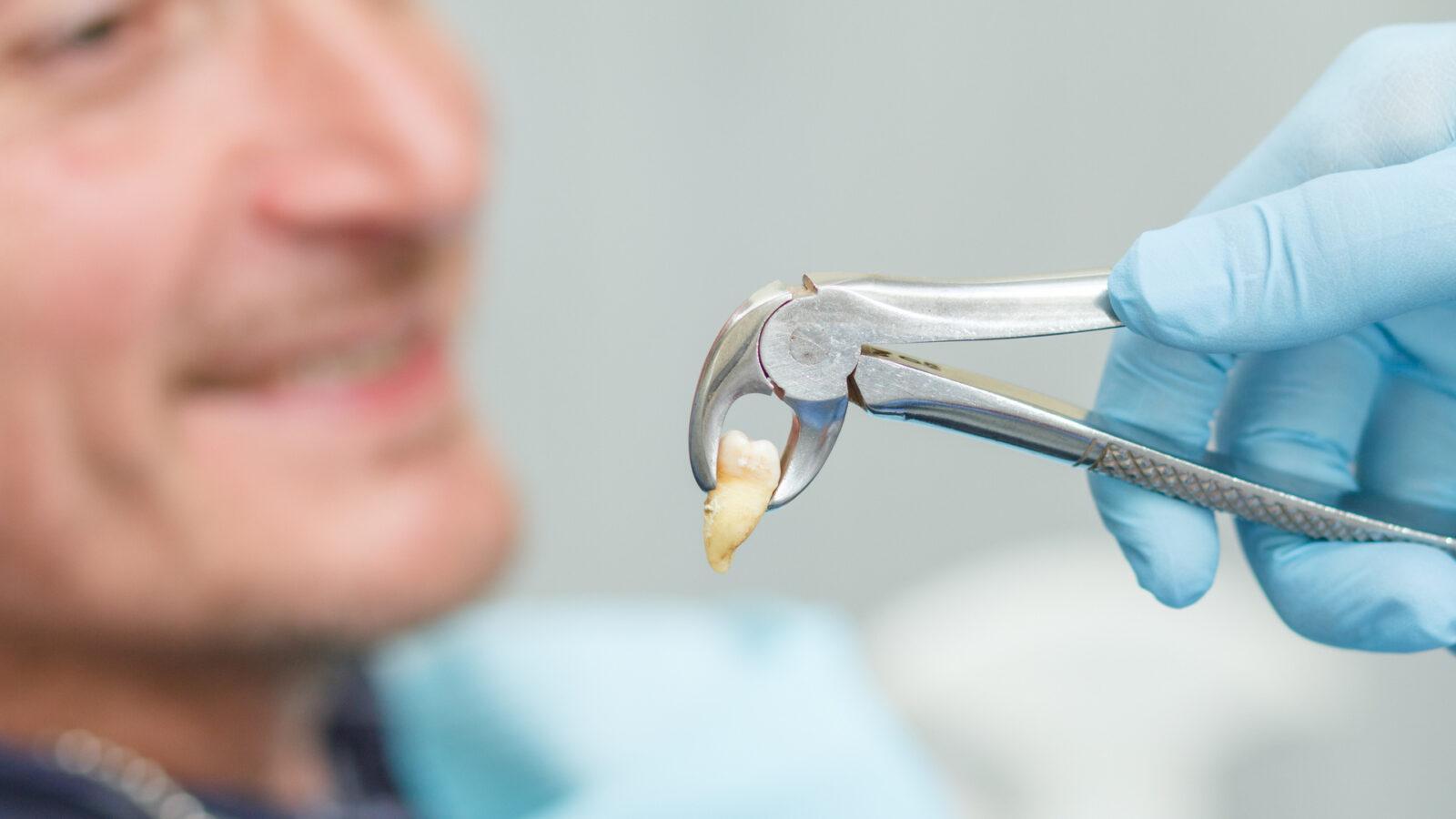
Tooth Extraction is a common dental procedure used when a tooth cannot be effectively preserved or when keeping it may affect the health of surrounding teeth and gums. Although dentists generally try to save natural teeth whenever possible, removal can sometimes be the safest and most practical solution. Understanding why extraction may be recommended, what alternatives exist, and how recovery works can help patients feel more prepared for treatment.
Choosing an experienced dental provider is an important part of receiving appropriate care. Enfield Dental Clinic Dubai can help patients understand their dental concerns and discuss suitable treatment options based on the condition of the affected tooth, surrounding tissues, and overall oral health. A professional assessment allows the dentist to determine whether removal is actually necessary or whether another treatment could preserve the tooth.
Why Is Tooth Extraction Sometimes Necessary?
Dentists do not usually recommend removing a tooth without a reason. Extraction may become necessary when a tooth is severely damaged, infected, overcrowded, or unlikely to respond successfully to restorative treatment. A thorough dental examination, often supported by dental X-rays, helps identify the underlying problem.
Severe Tooth Decay
Extensive tooth decay is one of the common reasons a tooth may eventually need removal. When decay reaches deep into the tooth and there is not enough healthy structure remaining for a filling or crown, saving the tooth may become difficult.
In some situations, root canal treatment followed by a crown may preserve the tooth. However, if the damage is too extensive or the tooth has a poor long-term prognosis, extraction may be considered.
Advanced Gum Disease
Periodontal disease can gradually damage the tissues and bone that support teeth. As the condition progresses, a tooth may become loose and uncomfortable.
If there is significant loss of supporting bone and the tooth cannot be stabilized, removal may be recommended. Treating gum disease around the remaining teeth is also important to protect overall oral health.
Impacted Wisdom Teeth
Wisdom teeth are another frequent reason for dental removal. These teeth may not have enough room to grow properly and can become partially or completely trapped beneath the gum.
Impacted wisdom teeth may contribute to pain, swelling, infection, gum problems, or pressure against neighboring teeth. Depending on their position and condition, a dentist may recommend monitoring them or removing them.
Dental Trauma and Broken Teeth
Accidents, sports injuries, and other forms of trauma can fracture teeth. Some damaged teeth can be restored with bonding, crowns, or root canal treatment, depending on the location and severity of the fracture.
However, a tooth that is fractured below the gum line or severely damaged may not be repairable. In such circumstances, extraction may prevent continuing discomfort and reduce the risk of complications.
Overcrowding and Orthodontic Treatment
Sometimes teeth need to be removed to create sufficient space for orthodontic treatment. When the jaw does not provide enough room for all teeth to align properly, an orthodontist may recommend extraction as part of a carefully planned treatment strategy.
The decision depends on factors such as tooth position, jaw development, facial structure, and the desired final alignment. Extraction for orthodontic purposes should always be planned by dental professionals rather than performed simply because teeth appear crowded.
What Alternatives Can Be Considered?
Tooth removal is not always the first option. Depending on the problem, a dentist may consider restorative or preventive treatments that can preserve the natural tooth.
A filling may be suitable for moderate decay, while a crown can protect a tooth that has lost significant structure. If infection has reached the pulp, root canal treatment may sometimes eliminate the infection and allow the natural tooth to remain in place.
For gum-related problems, professional periodontal treatment and improved oral hygiene may help control inflammation and protect supporting tissues. The appropriate solution depends entirely on the individual dental condition.
How Dentists Evaluate a Tooth
Before recommending extraction, the dentist usually examines the affected area and reviews the patient's symptoms and dental history. Dental X-rays can provide important information about the roots, surrounding bone, infections, and the position of nearby structures.
The dentist then considers whether the tooth can realistically be restored. If preservation is unlikely to provide a healthy and functional result, removal may be discussed.
This evaluation is important because extracting a tooth is a permanent procedure. Patients should feel comfortable asking questions about why removal is recommended and whether alternative treatments are available.
What Happens During the Procedure?
The process varies depending on the condition and position of the tooth. Before removal, the dentist typically uses local anesthesia to numb the area and help minimize discomfort during treatment.
A straightforward extraction may involve carefully loosening and removing the tooth. A more complex case, such as an impacted wisdom tooth, may require a surgical approach in which the dentist accesses the tooth through the gum.
After removal, a blood clot forms in the extraction socket. This clot plays an important role in the early healing process, so protecting it is an important part of aftercare.
Recovery and Aftercare
Recovery time differs from person to person and depends on the type of extraction and the patient's general oral condition. Mild soreness, swelling, and sensitivity can occur after treatment.
Following the dentist's instructions can support proper healing. Patients are generally advised to avoid disturbing the extraction site, maintain appropriate oral hygiene, and follow any recommendations regarding food, activity, and prescribed medication.
It is also important to contact a dental professional if severe pain, persistent bleeding, increasing swelling, fever, or other unusual symptoms develop after the procedure.
Replacing a Missing Tooth
Removing a tooth may solve an immediate dental problem, but the long-term plan should also be considered. Depending on the location of the missing tooth, replacement options may include a dental implant, bridge, or removable dental prosthesis.
Replacing a missing tooth can help restore chewing function and may support proper tooth positioning. A dentist can explain which option is appropriate based on bone health, oral condition, budget, and individual needs.
Preventing Future Dental Problems
Good oral hygiene can reduce the risk of problems that may eventually lead to tooth loss. Brushing twice daily with fluoride toothpaste, cleaning between the teeth, limiting excessive sugar intake, and attending regular dental checkups can all contribute to healthier teeth and gums.
Early treatment is particularly valuable. A small cavity or early gum problem is generally easier to manage than advanced dental disease.
Final Thoughts
Tooth Extraction can be an important solution when a tooth is severely damaged, infected, impacted, or otherwise unable to remain healthy. However, extraction should be based on a professional dental assessment rather than symptoms alone. Understanding the reason for removal, exploring possible alternatives, and following appropriate aftercare can make the overall experience easier and support better oral health.
 English
Join our community to interact with posts!