
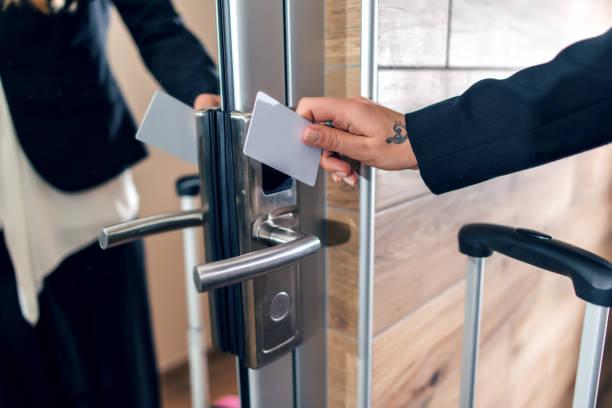
Let's be real, keys are a pain. You lose one, and suddenly you're rekeying half the building because who knows who's got a copy floating around out there. That's the main reason so many businesses are switching over to door access card readers instead of dealing with the same old lock and key headache. Truth is, once you've managed a building with actual key control problems, you never want to go back to it. It's not just about convenience either, it's about knowing exactly who came in and when, which old school locks just can't give you.
Property managers and business owners are catching on fast. A card reader system means you can deactivate a lost card in about thirty seconds instead of calling a locksmith and waiting around for hours. Employees quit, cards get lost, contractors need temporary access, all of that gets handled way faster with a proper access control setup. The short answer is, it just makes life easier for whoever's responsible for security.
What Door Access Card Readers Actually Do

So here's the thing about card readers, they're not all the same, and picking the wrong one can cause more headaches than it solves. Some use proximity cards you just wave near the reader, others need a swipe, and a lot of newer systems are moving toward key fobs or even mobile credentials on your phone. Each door can be programmed differently too, so maybe your loading dock only opens for warehouse staff between 6am and 6pm, while the front office is accessible to everyone during business hours. That level of control just isn't possible with a regular lock and key setup, not even close.
I've worked with buildings where they wanted different access levels for basically every department, and honestly, that's where card reader systems really shine. You're not handing out master keys to people who only need access to one room. It cuts down on internal theft too, because there's an actual log of who went where and when, which changes behavior more than people realize. Nobody wants to be the name on the log when something goes missing.
The Commercial Gate Opener Side Of Things
Now let's talk about what happens outside the building, because a lot of businesses forget about their perimeter until something goes wrong. A commercial gate opener isn't just for looks, it's often the first line of defense before someone even gets near your doors. Parking lots, loading areas, warehouse yards, these all benefit from a gate system that controls vehicle access the same way card readers control foot traffic. And yeah, they need to be tough, because gates take a beating from weather and constant use in a way indoor equipment just doesn't.
Sliding gates, swing gates, barrier arms, there's a bunch of options depending on your property layout and how much space you're working with. Some businesses integrate their gate opener with the same access card system used for the doors, so one credential gets you through the gate and into the building. That's honestly the smartest setup if you can swing it, because managing two completely separate systems is just more work for your facilities team than it needs to be.
Integration Is Where The Real Value Comes In
Here's something people don't think about until later, having your gate and your door access working together on one system saves a massive amount of hassle. Instead of managing a gate remote system and a separate card reader database, everything's tied into one platform. You add an employee once, and they've got access to whatever you've assigned them, gate included. Remove them once, and it's all gone, no chasing down a gate clicker that never got returned.
This kind of integration also makes reporting way easier if you ever need it, say for an insurance claim or an internal investigation. You can pull logs showing exactly when a vehicle entered the lot and when that same person's card unlocked the building. It paints a much clearer picture than trying to piece together separate systems that don't talk to each other. Businesses that skip this step usually regret it eventually, usually right when they need the data most.
Common Mistakes Businesses Make With Access Control
I'll be blunt, one of the biggest mistakes I see is businesses buying the cheapest system they can find and expecting it to hold up long term. It doesn't, usually. Cheap readers fail more often, cheap gate motors burn out faster, and then you're paying for repairs and replacements that end up costing more than if you'd invested properly the first time. Another common issue is not planning for growth, a system that works fine for fifteen employees might completely fall apart once you're at fifty.
Poor installation is another one, and it's honestly underrated as a problem. A card reader mounted wrong, wired badly, or not properly weatherproofed on an exterior door is going to cause you nothing but grief down the line. Same goes for gate openers, if the sensors aren't calibrated right, you either get a gate that won't close properly or one that closes on things it shouldn't. Getting it installed correctly the first time by people who actually know what they're doing saves you money and frustration later, guaranteed.
Maintenance Matters More Than People Think
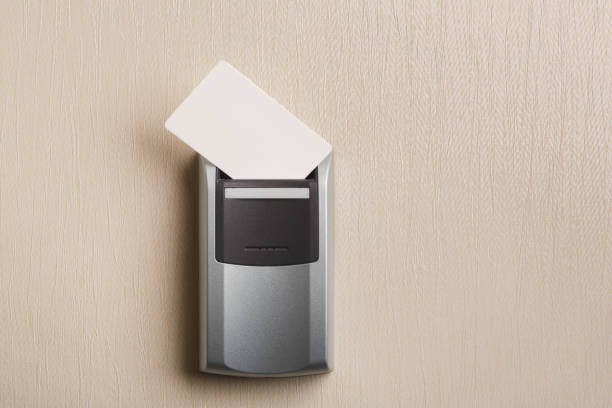
Access control systems aren't a "set it and forget it" kind of thing, even though a lot of businesses treat them that way. Card readers get dirty, connections loosen over time, and software needs updates just like anything else running on a network these days. Gate openers especially need regular checks, moving parts wear down, sensors drift out of alignment, and weather takes its toll no matter how well built the equipment is. Skipping maintenance is basically asking for a system failure at the worst possible moment, usually right when you need security the most.
A good maintenance schedule catches small issues before they turn into expensive repairs or, worse, a security gap nobody noticed. It doesn't need to be complicated, just consistent. Businesses that stay on top of it tend to get years more life out of their equipment compared to those who only call someone when something's already broken. Prevention really is cheaper than the fix, every single time I've seen it play out.
Conclusion
Every property is different, so there's no one size fits all answer here, despite what some sales reps might tell you. A small office building has completely different needs than a warehouse with multiple loading docks and a fleet of delivery vehicles coming and going all day. The number of entry points, the type of traffic, whether you need vehicle access control alongside pedestrian access, all of that shapes what kind of system actually makes sense for you. Getting an actual assessment done, rather than just guessing based on what a competitor down the street installed, makes a real difference in the long run.
If you're serious about upgrading your building's security, whether that's door access card readers, a commercial gate opener, or ideally both working together, it pays to work with people who actually specialize in this stuff. R3 Access Inc has been helping businesses figure out the right access control setup for their specific property, not just pushing whatever's easiest to sell. Don't wait until you've had a security incident to take this seriously, that's usually how it goes and it's never a fun position to be in. Visit R3 Access Inc and get your property properly assessed, it's worth the time.
FAQ
Q1. How long does it take to install door access card readers in a commercial building?
It depends on the number of doors and existing wiring, but most small to mid sized buildings can be done within a few days. Larger properties with more entry points obviously take longer to complete properly.
Q2. Can a commercial gate opener be integrated with existing door access systems?
Yes, most modern systems are built to integrate, letting one credential work for both the gate and interior doors. It's honestly the setup most businesses end up wishing they'd started with.
Q3. What happens if a card reader loses power during an outage?
Most commercial systems have battery backup built in, and fail safe or fail secure settings depending on what you need for that specific door. This should always be discussed during installation, not after.
Q4. Are mobile credentials replacing traditional access cards?
They're becoming more common, definitely, since employees already carry their phones everywhere anyway. That said, plenty of businesses still prefer physical cards for reliability and simplicity, and honestly both options work fine.
Q5. How often should commercial gate openers be serviced?
Most manufacturers recommend at least twice a year, though high traffic gates might need more frequent checks. Regular servicing catches small mechanical issues before they turn into full system failures.
 English
Join our community to interact with posts!