
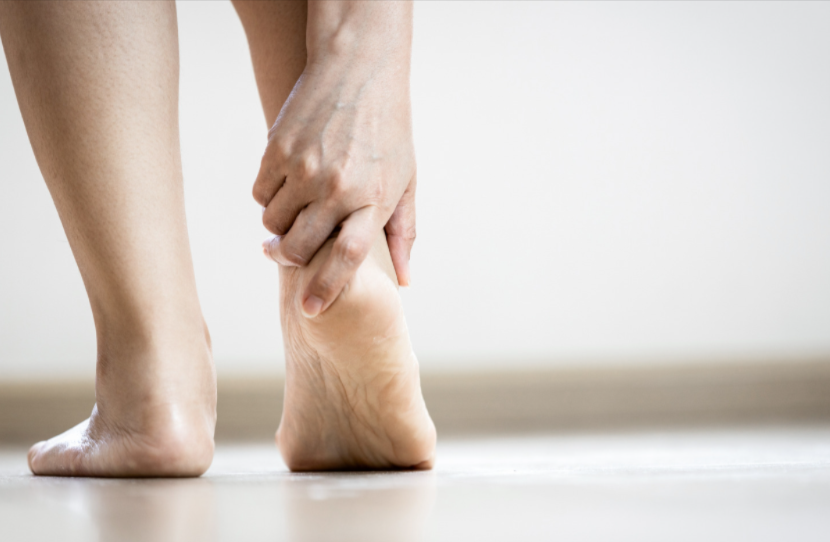
Bunions are among the most common structural problems affecting the foot. They can cause pain, swelling, pressure from footwear, and difficulty walking or participating in physical activities. While many people associate bunions with the big toe, similar deformities can affect the outside of the foot.
A tailor’s bunion, also known as a bunionette, develops around the base of the little toe. Although the location is different, it can cause similar problems with footwear and everyday comfort.
Understanding the available treatment for bunions and tailor’s bunion treatment can help people recognise when professional assessment may be appropriate. Treatment depends on the severity of the deformity, symptoms, foot structure, lifestyle, and response to non-surgical measures.
What Is a Bunion?
A bunion, medically known as hallux valgus, is a deformity affecting the joint at the base of the big toe.
The big toe gradually moves towards the smaller toes while the joint becomes prominent on the inner side of the foot.
Symptoms can include:
-
Pain around the big toe joint
-
A visible bump
-
Swelling
-
Redness
-
Stiffness
-
Difficulty wearing shoes
-
Pressure or rubbing
-
Changes in the position of the big toe
Not every bunion causes pain. Treatment is generally considered when symptoms begin to affect everyday activities or quality of life.
What Is a Tailor’s Bunion?
A tailor’s bunion is a prominence affecting the outside of the foot near the base of the little toe.
It is sometimes called a bunionette. Like a conventional bunion, it can become uncomfortable when the prominent area rubs against footwear.
People with a tailor’s bunion may experience:
-
Pain around the little toe joint
-
A visible bump on the outside of the foot
-
Redness or irritation
-
Swelling
-
Difficulty finding comfortable footwear
-
Pain while walking
-
Pressure when wearing narrow shoes
The deformity may develop gradually and can be associated with the structure and alignment of the foot.
What Causes Bunions?
There is usually no single cause of a bunion.
Several factors can contribute, including:
-
Inherited foot structure
-
Foot biomechanics
-
Family history
-
Certain types of footwear
-
Previous injury
-
Joint conditions
-
Abnormal pressure across the foot
Although footwear can aggravate symptoms and may contribute to pressure around the toes, it is not necessarily the only reason a bunion develops.
What Causes a Tailor’s Bunion?
Similar factors can contribute to a tailor’s bunion.
The shape of the forefoot, alignment of the fifth metatarsal, inherited foot structure, and footwear can influence pressure around the little toe.
Shoes that are too narrow can increase rubbing and discomfort around the outside of the foot.
A specialist assessment can help establish the specific characteristics of the deformity.
Treatment for Bunions
The appropriate treatment for bunions depends on the severity of the deformity and the symptoms experienced by the patient.
Treatment usually begins with non-surgical measures.
1. Footwear Changes
Choosing shoes with a wider toe box can reduce pressure around the big toe.
Patients may find that avoiding narrow or pointed footwear makes everyday walking more comfortable.
2. Orthotic Devices
Orthotics may sometimes be recommended to influence foot mechanics and pressure distribution.
Their usefulness varies between patients, so they should be considered as part of an individual treatment plan.
3. Protective Padding
Padding can help reduce friction between the bunion and footwear.
Although padding may improve comfort, it does not correct the underlying structural deformity.
4. Activity Modification
If certain activities aggravate symptoms, temporarily changing the type or intensity of activity may help manage discomfort.
5. Pain Management
Appropriate pain-relieving measures may be recommended depending on an individual's circumstances.
Patients with persistent or significant symptoms should discuss medication with an appropriate healthcare professional.
When Is Surgery Considered for a Bunion?
Surgery may be considered when the bunion causes persistent pain or functional problems despite appropriate non-surgical treatment.
Importantly, surgery is generally considered for symptomatic bunions rather than simply because a bump is visible.
An orthopaedic specialist may assess:
-
The severity of the deformity
-
Big toe alignment
-
Joint condition
-
Foot structure
-
Mobility
-
Previous treatment
-
Activity requirements
X-rays, often taken while standing, can provide information about bone alignment and help with surgical planning.
Tailor’s Bunion Treatment
Tailor’s bunion treatment follows similar principles but focuses on the deformity affecting the little-toe side of the foot.
Conservative Tailor’s Bunion Treatment
Initial treatment may include:
Wider Footwear
Shoes with sufficient room around the forefoot can reduce pressure on the prominent area.
Padding
Protective padding may reduce friction between the tailor’s bunion and footwear.
Orthotics
In selected cases, orthotic devices may help modify pressure distribution across the foot.
Activity Modification
Reducing activities that significantly aggravate symptoms may provide temporary relief while the underlying problem is assessed and managed.
Surgical Tailor’s Bunion Treatment
If a tailor’s bunion remains painful despite appropriate non-surgical management, surgery may be considered.
The exact procedure depends on the underlying bone alignment and deformity.
Possible surgical approaches may involve realigning the fifth metatarsal or correcting the structural abnormality responsible for the prominence.
An X-ray assessment can help an orthopaedic specialist determine which procedure, if any, is appropriate.
Bunion vs Tailor’s Bunion
Although both conditions involve a bony prominence around the forefoot, they occur in different locations.
| Feature | Bunion | Tailor’s Bunion |
|---|---|---|
| Location | Base of the big toe | Base of the little toe |
| Common name | Hallux valgus | Bunionette |
| Main concern | Inner-side foot prominence | Outer-side foot prominence |
| Footwear problem | Pressure around big toe | Pressure around little toe |
| Treatment | Conservative or surgical | Conservative or surgical |
Both conditions require an individual assessment when symptoms are persistent.
Can Bunions Be Prevented?
There is no guaranteed way to prevent every bunion because foot structure and inherited characteristics can play a role.
However, wearing appropriately fitting footwear can reduce unnecessary pressure on the toes.
Choosing shoes with:
-
Adequate toe-room
-
Suitable width
-
Comfortable materials
-
Appropriate support
may help improve comfort and reduce friction.
Recovery After Bunion Surgery
Recovery depends on the type of surgery performed.
Patients may need a period of protected weight-bearing and may be advised to use a special postoperative shoe.
Recovery commonly involves:
-
Protecting the foot
-
Managing postoperative swelling
-
Following wound-care instructions
-
Gradually increasing weight-bearing
-
Completing recommended rehabilitation
-
Returning gradually to normal footwear
-
Resuming higher-impact activities when appropriate
The exact recovery programme depends on the procedure and individual healing.
When Should You See a Specialist?
Professional assessment may be appropriate if you have:
-
Persistent foot pain
-
Difficulty walking
-
Increasing deformity
-
Problems wearing normal footwear
-
Recurrent swelling
-
Pain during exercise
-
Symptoms that interfere with daily activities
An orthopaedic specialist can determine whether the symptoms are caused by a bunion, tailor’s bunion, arthritis, another foot deformity, or a different condition.
Why Individualised Treatment Matters
Searching online for treatment for bunions or tailor’s bunion treatment can provide useful background information, but the most appropriate treatment cannot be determined from symptoms alone.
Two people can have similar-looking bunions but require different management because their bone alignment, joint condition, symptoms, and activity levels may differ.
A specialist assessment allows treatment to be tailored to the individual's circumstances.
Conclusion
Bunions and tailor’s bunions can cause significant discomfort when they become symptomatic, particularly when footwear places pressure on the affected area.
The appropriate treatment for bunions may begin with wider footwear, orthotics, padding, activity modification, and appropriate pain management. When persistent symptoms affect everyday life despite non-surgical measures, surgical correction may be considered.
Similarly, tailor’s bunion treatment can begin conservatively, with surgery reserved for selected patients who continue to experience significant symptoms.
Early professional assessment can help identify the underlying deformity and provide a clear explanation of the available treatment options.
FAQs
1. What is the treatment for bunions?
Treatment can include wider footwear, orthotic devices, padding, activity modification, pain management, and surgery for selected patients with persistent symptoms.
2. Can a bunion be treated without surgery?
Yes. Non-surgical measures can often help manage pain and pressure. However, they generally do not permanently correct an established structural deformity.
3. What is a tailor’s bunion?
A tailor’s bunion, or bunionette, is a prominence on the outside of the foot near the base of the little toe.
4. What is the best tailor’s bunion treatment?
Treatment depends on the severity of the deformity and symptoms. Wider footwear, padding, orthotics, and activity modification may be considered before surgery.
5. Does a tailor’s bunion require surgery?
Not necessarily. Surgery may be considered when persistent pain or functional problems continue despite appropriate non-surgical treatment.
6. Can wider shoes help a tailor’s bunion?
Yes. Shoes with sufficient width around the forefoot can reduce pressure and rubbing around the little-toe side of the foot.
7. Can bunions be corrected naturally?
Lifestyle and footwear changes may help manage symptoms, but established structural bunions generally cannot be permanently realigned through exercises or home treatments alone.
8. How is a bunion diagnosed?
An examination can assess the foot's alignment, movement, symptoms, and structure. Weight-bearing X-rays may also be used to evaluate bone and joint alignment.
9. How long is recovery after bunion surgery?
Recovery varies depending on the procedure performed. Patients generally require a period of protection followed by gradual increases in activity.
10. When should I seek treatment for a bunion?
Consider professional assessment if the bunion causes persistent pain, affects walking, makes footwear difficult, or interferes with your normal activities.
For more details please visit the website - https://pavelakimau.com/
Call us at - 07934539252 , 01782 432227
Email at - sjukes@protonmail.com
Address - North Staffordshire Hospital Clayton Road, Newcastle-under-Lyme, ST5 4DB
 English
Join our community to interact with posts!