
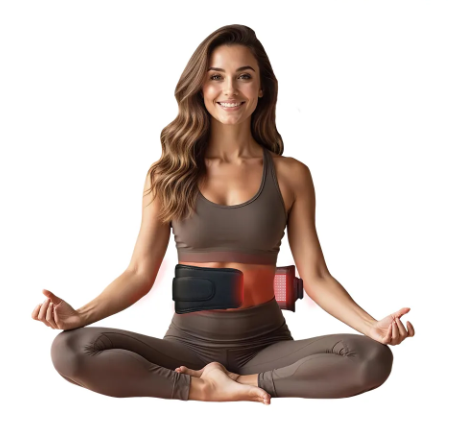
Pregnancy is a unique stage of life when people often become more careful about the products, devices, and wellness routines they use. Light-based wellness technology, including red light therapy pregnancy, has attracted interest because of its convenient and non-invasive design. However, pregnancy requires additional consideration before introducing any new therapy or wellness device.
Understanding Red Light Therapy
Red light therapy uses selected wavelengths of visible red and near-infrared light. Wearable devices such as therapy belts are designed to provide targeted light exposure to specific areas of the body.
These products can be convenient for personal wellness routines, but the fact that a device is non-invasive does not automatically mean it has been established as appropriate for use during pregnancy.
Pregnancy Requires Extra Care
During pregnancy, safety should always take priority. Research and product-specific guidance regarding red and near-infrared light therapy during pregnancy can vary, particularly depending on the wavelength, intensity, treatment area, duration, and device design.
For this reason, pregnant individuals should not assume that a standard red light therapy belt is suitable for pregnancy simply because it is marketed as a wellness product.
Before using any light therapy device during pregnancy, it is important to consult a qualified healthcare professional. Users should also carefully review the manufacturer's instructions, warnings, and intended-use information.
Understanding Therapy Belt Designs
Red light therapy belts are designed to provide targeted illumination while offering a flexible and portable format. Depending on the model, features can include adjustable straps, flexible materials, rechargeable power, and different operating settings.
These characteristics make therapy belts useful for exploring wearable light therapy in appropriate applications. However, product specifications alone do not establish suitability for pregnancy.
Why Professional Guidance Matters
Pregnancy can involve changing physical needs throughout different stages. A healthcare professional can consider an individual's circumstances and determine whether a particular wellness device or light-based treatment is appropriate.
This is especially important when the intended application involves the abdomen, pelvis, or other sensitive areas. Following professional guidance helps users make informed decisions rather than relying solely on general online information.
Responsible Use of Light Therapy Technology
For wellness businesses and product manufacturers, responsible communication is essential when developing products associated with pregnancy. Clear specifications, appropriate warnings, detailed instructions, and transparent intended-use information can help consumers understand how a product should be used.
SinocoTherapy focuses on developing light therapy solutions for modern wellness applications, including wearable formats such as therapy belts. Businesses exploring these products should evaluate their intended applications carefully and follow relevant safety and regulatory requirements.
Making Informed Wellness Decisions
Light therapy technology continues to develop, offering convenient formats for personal wellness. During pregnancy, however, users should take a cautious and informed approach and seek professional advice before using red or near-infrared light therapy.
Understanding the device, reviewing manufacturer guidance, and discussing its use with a qualified healthcare professional can help ensure that pregnancy-related wellness decisions are made with appropriate care.
 English
Join our community to interact with posts!