
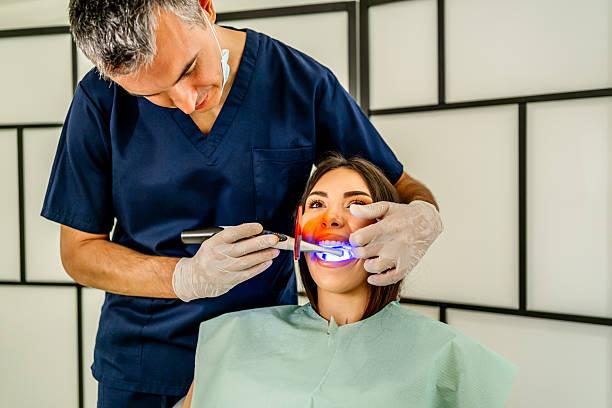
Modern dentistry offers several approaches for repairing teeth affected by decay, minor fractures, and localized damage. If you are considering Dental Tooth Filling in Dubai, advances in dental materials and diagnostic techniques can make restorative treatment more precise and comfortable. Today, dentists can evaluate the condition of a tooth in greater detail and select restorative materials based on factors such as appearance, strength, cavity size, and tooth location.
Advances in Dental Filling Materials
One of the most noticeable developments in restorative dentistry is the availability of tooth-colored materials. Composite resin can be matched to the natural shade of a tooth, allowing the restoration to blend more discreetly with the surrounding enamel.
Composite fillings are commonly applied directly to the prepared tooth in layers. Each layer can be hardened with a specialized curing light before the next is added. The dentist then shapes and polishes the restoration to recreate the natural contours of the tooth.
Other materials, including ceramic and certain metal-based restorations, may also be appropriate in specific clinical situations. The choice depends on the individual tooth rather than a one-size-fits-all approach.
Digital Diagnosis and Treatment Planning
Technology has also changed how dentists evaluate dental problems. Digital X-rays can provide detailed images while generally using less radiation than traditional film-based systems. These images can help dentists identify decay and examine areas that may not be visible during a routine visual examination.
In some cases, digital scanning technology may also be used to create detailed representations of the teeth. The specific technology used depends on the treatment and the equipment available at the dental practice.
Dental Clinic: Personalized Restorative Care
A modern Dental Clinic can combine clinical examination with appropriate diagnostic technology to develop a treatment plan suited to the patient's needs. Before recommending a filling, the dentist may evaluate the size and depth of the cavity, remaining tooth structure, bite, and surrounding gums.
Patients can also discuss concerns about appearance, sensitivity, treatment time, and restoration materials. This communication helps the dental team understand individual expectations while keeping the focus on the health and function of the tooth.
Minimally Invasive Tooth Restoration
Modern restorative dentistry generally emphasizes preserving healthy tooth structure whenever clinically possible. When decay is limited, the dentist can remove the affected portion while retaining the surrounding healthy enamel and dentin.
A conservative approach can help maintain the natural structure of the tooth. However, the amount of tooth removal depends on the extent and location of the decay and the need to create a suitable foundation for the restoration.
Early dental examinations can be helpful because cavities identified at an earlier stage may require less extensive treatment.
Natural-Looking Composite Restorations
For patients concerned about aesthetics, composite resin offers a tooth-colored alternative to traditional metallic-looking restorations. The material can be selected and shaped to complement the surrounding teeth.
A natural appearance depends on several factors, including the condition and shade of the tooth, the skill of the dentist, the location of the restoration, and proper finishing and polishing.
Although composite restorations can provide an attractive result, they still require the same commitment to oral hygiene as natural teeth.
Comfort During the Filling Procedure
Modern dental techniques are designed to make restorative procedures more comfortable. Local anesthesia may be used when necessary to numb the treatment area before the dentist removes decay.
Patients may feel pressure or movement during the procedure, but the treatment itself is generally performed with comfort in mind. If you feel nervous about dental treatment, discussing your concerns with the dentist before the procedure can help the team adapt the experience to your needs.
Restoring Function Along With Appearance
A successful filling should not only look appropriate but also function properly. After placing the restoration, the dentist shapes it according to the natural contours of the tooth and checks how it interacts with the opposing teeth.
A bite check is particularly important because an overly high restoration can create discomfort when chewing. Minor adjustments can often improve the fit and help the restored tooth function naturally.
Smart Prevention After Treatment
Even advanced restorative materials cannot replace good oral hygiene. The natural tooth around a filling can still develop new decay if plaque remains on the surface.
Brush twice daily with fluoride toothpaste and clean between your teeth regularly. Limiting frequent sugary snacks and drinks can also help reduce the risk of future cavities.
Regular dental examinations allow your dentist to monitor the restoration and identify changes before they become more serious.
When a Filling May Not Be the Best Solution
Modern dentistry includes many restorative options, but a conventional filling is not suitable for every damaged tooth. Extensive decay, major fractures, or problems affecting the inner portion of the tooth may require a different treatment.
Your dentist can assess the tooth and explain whether a direct filling, another restoration, or additional treatment is appropriate. The recommendation should be based on the condition of the tooth and its long-term functional requirements.
Final Thoughts
Modern restorative dentistry combines improved materials, detailed diagnosis, and personalized treatment planning to address damaged teeth effectively. The most suitable solution depends on the individual condition of each tooth and the patient's oral health needs. With professional care and consistent maintenance, Dental Tooth Filling can restore damaged areas while helping preserve natural tooth structure and comfortable dental function.
 English
Join our community to interact with posts!