
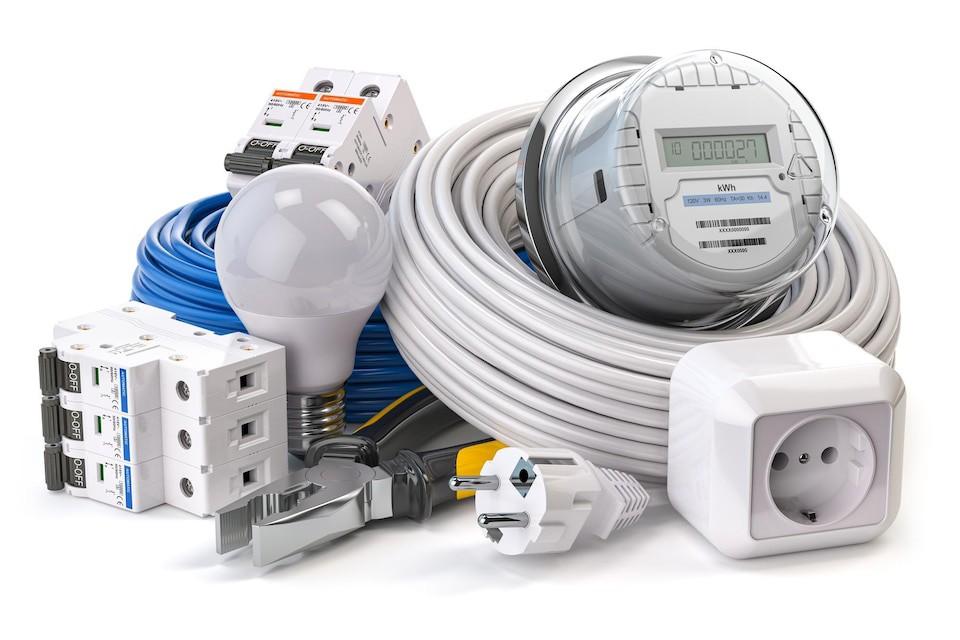
electrical fixture does more than simply provide power or illumination. In a workshop, garage, utility room, office, storage area, or commercial workspace, the placement and type of electrical components can influence how easily people move through the space and complete everyday tasks.
A receptacle in the wrong location can mean reaching across a workbench. Poorly positioned lighting can leave a task area in shadow. A missing timer can require lights or other equipment to be switched manually. Small decisions like these can gradually make a space less convenient.
That is why Electrical Fixtures are worth considering from a usability perspective. Instead of asking only whether an electrical component performs its basic function, it can be useful to ask whether it supports the way people actually use the space.
Start With the Tasks, Not the Fixture
Before choosing electrical products, consider what happens in the area.
A garage might be used for vehicle maintenance, woodworking, storage, or household repairs. A workshop could have fixed equipment as well as portable tools. An office may require convenient access to power around desks and workstations. A utility room may need lighting, controls, and receptacles positioned around equipment.
The electrical setup should support those activities.
This changes the conversation from "Where can a fixture be installed?" to "Where will people actually need it?"
That small change in thinking can produce a much more practical result.
Workstations Need Convenient Access
A workbench is a good example.
If the only receptacle is several feet away, users may have to rely on extension cords even for simple tasks. That can make a workspace less convenient and create additional cable management issues.
When planning a work area, consider where equipment will normally be positioned and where users will stand while operating it.
The same principle applies to office desks, counters, service areas, and other fixed workstations.
The goal is not to fill every wall with electrical devices. It is to position the necessary components where they are genuinely useful.
Portable Equipment Changes the Requirements
Modern workspaces often rely on equipment that moves.
Portable lights, chargers, power tools, cleaning equipment, small appliances, and other devices may be used in different locations throughout a property.
Centralizing every electrical connection in one place may therefore not be the most convenient approach.
NYLA Worldwide's electrical department includes products such as receptacles, switches, portable work lighting, connectors, timers, and other electrical supplies. A broad product range makes it possible to think about electrical access according to different working environments rather than treating every space identically.
For areas where equipment changes regularly, flexible access can be particularly useful.
Lighting Should Follow the Work
Lighting is another major part of workspace usability.
A room can have plenty of overall illumination while still having a poorly lit work surface. Someone repairing equipment, reading instructions, assembling components, or performing detailed work may need light positioned closer to the task.
NYLA Worldwide's electrical category includes functional indoor lighting, portable work lighting, under-cabinet lighting, outdoor area lighting, and other lighting products.
The useful question is not simply how many lights a room contains. It is whether the light reaches the places where people actually perform tasks.
Utility Spaces Often Need Different Solutions
Laundry rooms, workshops, garages, storage areas, and service rooms tend to have more functional requirements than decorative living spaces.
They may need:
- Convenient receptacles
- Functional overhead lighting
- Task lighting
- Timers
- Portable lighting
- Accessible switches
- Appropriate outdoor or utility fixtures
These spaces are often designed around equipment and tasks rather than appearance.
That makes them good examples of why electrical planning should begin with use rather than aesthetics.
Controls Can Make Routine Tasks Simpler
Some electrical functions do not need to be manually controlled every time.
Timers and other controls can be useful where lighting or electrical equipment follows a predictable schedule.
For example, an outdoor lighting system may operate during particular hours, while another application may require a temporary or scheduled operating period.
NYLA Worldwide's electrical selection includes timers alongside switches, lighting products, and other components.
The benefit is not necessarily technological complexity. In many situations, the simplest useful control is the one that removes a repetitive task from someone's routine.
Don't Ignore Outdoor Work Areas
Usability considerations also extend outside the building.
Patios, workshops, garages, walkways, loading areas, gardens, and other exterior spaces may need lighting or electrical access.
Outdoor work becomes considerably easier when people can see the area clearly and access power where it is needed. However, exterior applications have their own product and installation requirements, so components should be selected for their intended environment.
A fixture designed for one application should not automatically be assumed to be appropriate for another.
Think About Movement Through the Space
Electrical fixtures can also influence how people move around an area.
A poorly positioned switch may require someone to cross the room in the dark. A receptacle placed behind furniture may become practically unusable. A lighting control located far from an entrance may be inconvenient every evening.
These problems are rarely dramatic, but they become noticeable because they are repeated.
One useful exercise is to mentally walk through the space:
Enter → switch on the lights → move to the work area → use equipment → move around the room → finish the task → switch everything off.
If the electrical setup supports that sequence naturally, the space is likely to feel easier to use.
Commercial Spaces Benefit From the Same Thinking
The principle applies beyond residential properties.
Retail spaces, workshops, offices, service facilities, and other commercial environments all have recurring patterns of movement and work.
Employees may need power at particular stations. Customers may interact with illuminated displays. Maintenance personnel may need accessible electrical points. Exterior areas may require lighting during specific operating hours.
Because commercial spaces are used repeatedly throughout the day, small usability problems can become recurring inefficiencies.
A thoughtful electrical setup can help address those issues at the infrastructure level.
Convenience Should Not Replace Safety
Usability is important, but electrical work always needs to be approached with safety and applicable electrical requirements in mind.
The location and specification of electrical devices should be appropriate for the application, and installation should be performed according to applicable codes and manufacturer instructions. Where electrical work is beyond basic user-level tasks, a qualified electrician should handle it.
The objective is not simply to add more electrical fixtures. It is to create a practical setup that works safely within the property's requirements.
Make the Electrical Setup Fit the Way the Space Is Used
Every space has its own rhythm.
A workshop revolves around tools and workbenches. An office revolves around desks and equipment. A garage may combine storage, repairs, and vehicle access. A utility room is organized around appliances and maintenance tasks.
The electrical system should support those patterns instead of forcing people to work around them.
When choosing Electrical Fixtures, consider where people stand, what equipment they use, how they move through the space, when lighting is needed, and which electrical functions are repeated every day. Thinking about those details can turn an ordinary electrical setup into one that makes the entire space more convenient to work in.
 English
Join our community to interact with posts!