
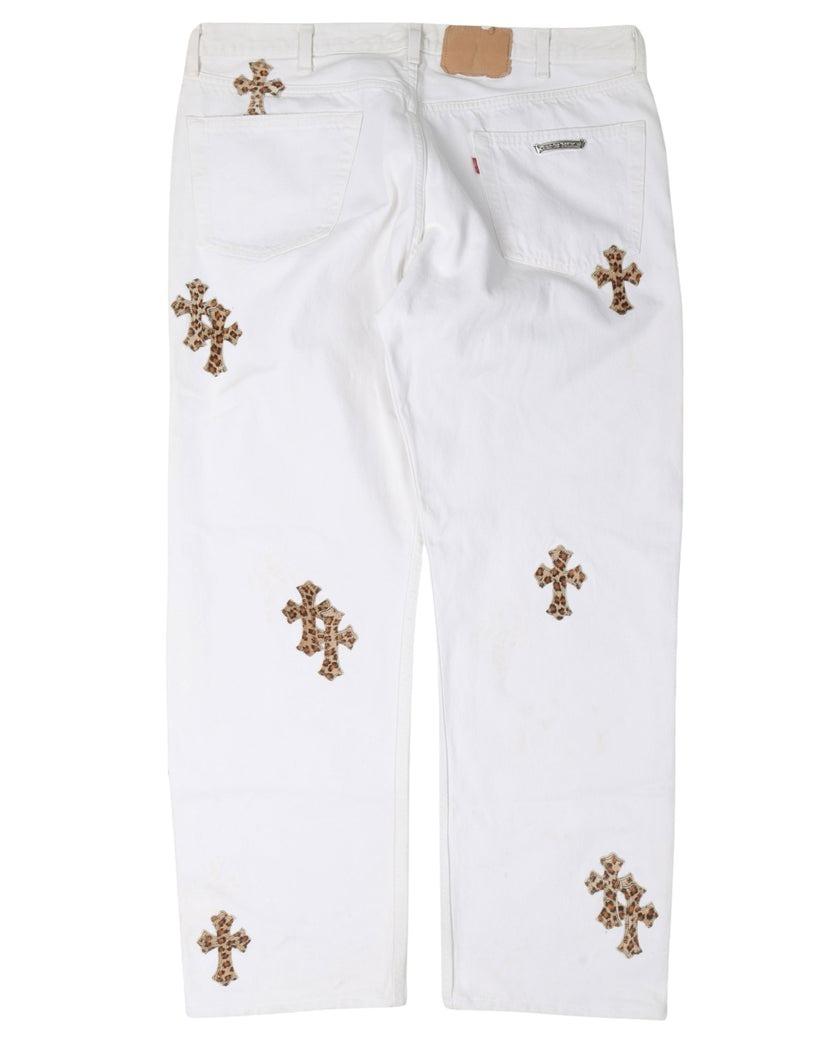
In the competitive world of high-end fashion, few garments hold the same cultural weight and market value as a pair of Chrome Hearts jeans. What began in a Los Angeles garage in 1988 has transformed into a global obsession that defies traditional retail logic. While many luxury brands prioritize mass accessibility, Chrome Hearts thrives on mystery, artisanal detail, and a "rebellious spirit" that has made their denim the ultimate status symbol for collectors, rock stars, and hip-hop icons alike.
The Origin Story: Biker Roots to Gothic Luxury
The story of Chrome Hearts jeans starts with founders Richard Stark and John Bowman, who initially sought to create leather motorcycle gear that they actually wanted to wear. Joined by master silversmith Leonard Kamhout, the brand quickly became known for its gothic-inspired sterling silver hardware and premium leather craftsmanship.
By the early 1990s, the brand had already won a CFDA Accessory Designer of the Year award, presented by Cher. This early recognition set the stage for Chrome Hearts to bridge the gap between "hardcore" biker culture and high-fashion elegance. Today, the brand is still a family-owned operation, led by the Starks, who maintain a hands-on approach to every piece of denim that leaves their Hollywood campus.
The Anatomy of a Masterpiece: Leather, Silver, and Vintage Denim
What makes Chrome Hearts jeans truly unique is the labor-intensive process of "re-construction." Most of the brand’s most sought-after pairs are built on a foundation of vintage Levi’s 501 or 517 models. This choice provides a base of authentic, pre-worn character that modern, factory-made denim simply cannot match.
1. Hand-Stitched Leather Patchwork
The most recognizable feature of Chrome Hearts jeans is the cross-patch applique. Artisans hand-cut these crosses from high-grade leather—ranging from classic black cowhide to exotic skins like leopard-print calf hair or ostrich. These are then meticulously stitched onto the denim in configurations that can range from a few subtle accents to the legendary "Cemetery" style, where dozens of patches overlap to create a heavy, textured armor.
2. Sterling Silver Hardware
Every functional element of the jeans is treated as a piece of jewelry. The standard buttons and rivets are replaced with .925 sterling silver, cast with signature motifs like the "Floral Cross," the "Fleur-de-lis," or the "Dagger." This hardware is not just decorative; it adds a physical weight to the garment that reinforces its luxury status.
3. Artisanal Customization
Because many pairs are custom-ordered or produced in incredibly small batches, no two pairs of Chrome Hearts jeans are identical. This "1-of-1" feeling is a core part of the appeal, allowing the wearer to own a piece of clothing that feels personally curated rather than mass-produced.
The Economics of Exclusivity: Why the Hunt Matters
In an era of instant gratification, Chrome Hearts jeans are notoriously difficult to acquire. The brand famously refuses to sell its clothing online, requiring customers to visit one of their cryptic, appointment-only boutiques in cities like New York, Malibu, or Tokyo.
This intentional scarcity has created a secondary market where prices for a single pair can range from $5,000 to well over $20,000 for rare collaborations or exotic patch versions. For many collectors, the high price is justified by the brand's refusal to follow fashion trends, ensuring that the jeans remain as relevant—and valuable—ten years from now as they are today.
Cultural Impact: The Rockstar Uniform
The "cool factor" of Chrome Hearts jeans is reinforced by an organic celebrity following. From rock legends like the Sex Pistols and Guns N’ Roses to modern-day icons like Drake, Travis Scott, and Virgil Abloh, the brand has become the "if you know, you know" uniform of the creative elite.
Rather than paying for traditional advertising, Chrome Hearts relies on these authentic associations. When you see a pair of cross-patch jeans on a red carpet or in a music video, it’s a sign of genuine appreciation for the brand’s "fuck you" attitude toward mainstream fashion norms.
 English
Join our community to interact with posts!