
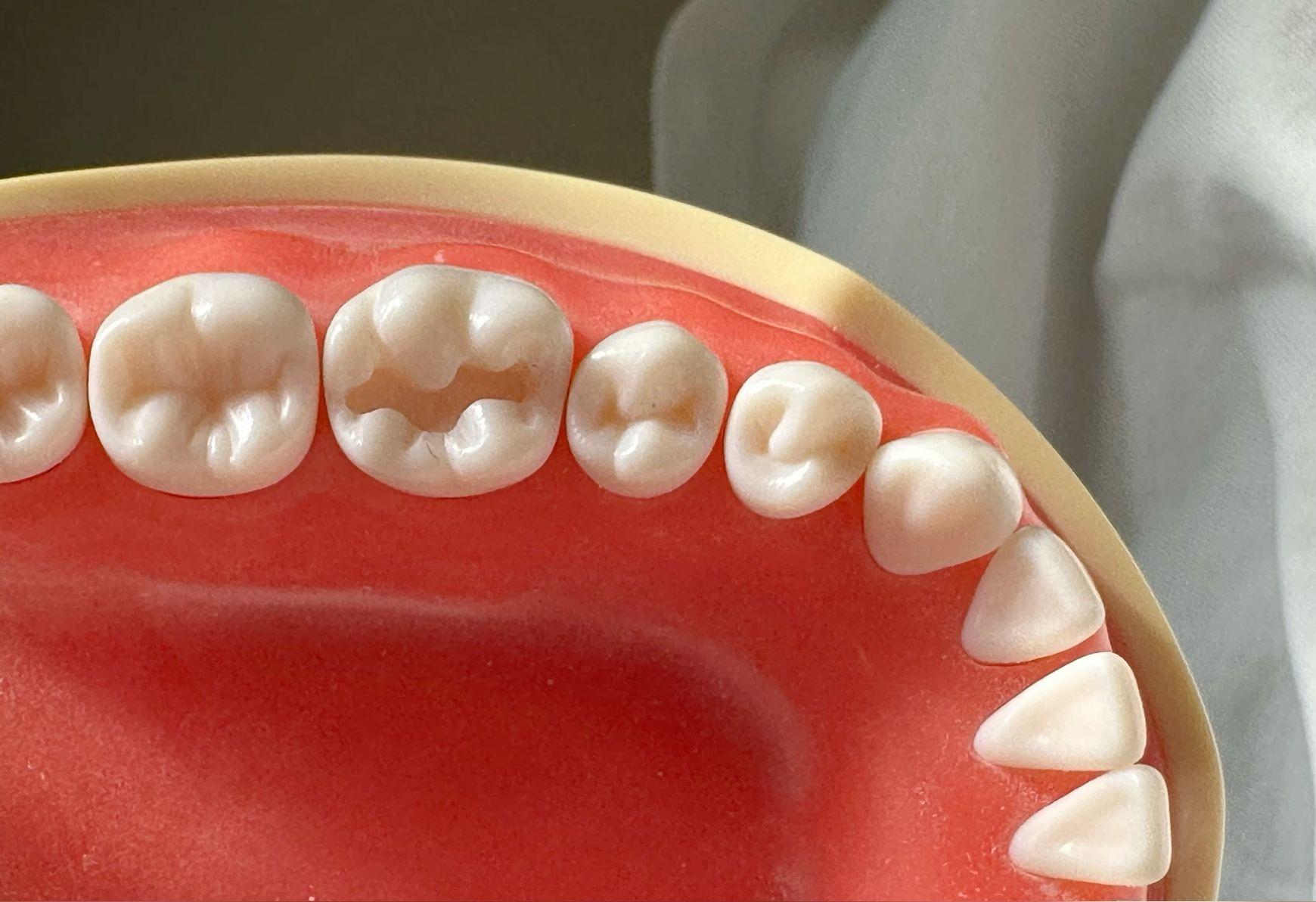
Tooth decay remains one of the most common health problems worldwide. Millions of people experience cavities each year, leading to pain and expensive treatments. The good news is that most dental problems are entirely preventable. Understanding how early intervention works can save your smile and your wallet.
Understanding Cavity Formation and Early Warning Signs
Cavities don't appear overnight in your mouth. They develop gradually through a specific biological process. Bacteria in your mouth feed on sugars from food and drinks. These microorganisms produce acids that attack your tooth enamel constantly.
The outer layer of teeth is incredibly strong but not invincible. Repeated acid attacks slowly weaken this protective barrier over time. Minerals like calcium and phosphate gradually dissolve from the enamel surface. This demineralization process creates the perfect environment for decay to begin.
Early stage cavities often show as white spots on teeth. These chalky areas indicate mineral loss has already started occurring. Many people ignore these warning signs until pain forces a visit. However, catching decay at this stage makes reversal entirely possible.
The Power of Regular Dental Examinations
Professional dental checkups serve as your first line of defense. Dentists can spot problems that you cannot see at home. Special tools and training allow them to detect cavities forming early.
Most dental professionals recommend visits every six months for adults. Children may need more frequent appointments depending on their risk factors. These regular visits create opportunities for early detection and intervention.
During examinations, dentists look for changes in tooth structure carefully. Digital x-rays reveal decay hiding between teeth or under fillings. Visual inspections catch surface problems before they penetrate deeper layers. This comprehensive approach ensures nothing escapes professional scrutiny.
Professional Cleaning Removes Hidden Threats
Even the most diligent brushers miss some areas in their mouth. Plaque accumulates in hard-to-reach spaces between teeth and along gumlines. This sticky film harbors millions of bacteria that produce harmful acids.
Professional cleanings remove buildup that regular brushing cannot eliminate effectively. Dental hygienists use specialized instruments to scrape away hardened tartar. They also polish teeth to remove surface stains and bacteria. This thorough cleaning disrupts the bacterial colonies causing tooth decay.
The smooth surface left after cleaning makes bacterial attachment more difficult. Fewer bacteria mean less acid production attacking your tooth enamel. This simple intervention significantly reduces your risk of developing cavities.
Fluoride Treatments Strengthen Tooth Enamel
Fluoride represents one of dentistry's most powerful preventive tools available. This naturally occurring mineral helps rebuild weakened enamel before cavities form. Professional fluoride applications deliver concentrated doses directly to your teeth.
The mineral works by promoting remineralization of early decay areas. It replaces lost minerals in weakened enamel and makes teeth stronger. Fluoride also reduces the ability of bacteria to produce acid. This triple action provides robust protection against cavity development.
Dentists often apply fluoride varnish during routine cleaning appointments regularly. The treatment takes just minutes but offers protection for months. High-risk patients may receive fluoride treatments more frequently as needed.
Dental Sealants Block Decay in Vulnerable Areas
Back teeth contain deep grooves and pits that trap food easily. These fissures are extremely difficult to clean with regular brushing. Bacteria thrive in these protected spaces, creating perfect decay conditions.
Dental sealants provide a protective coating over these vulnerable surfaces. The thin plastic material fills in grooves and creates a barrier. This smooth surface prevents food particles and bacteria from getting trapped.
Sealants are especially beneficial for children and teenagers with new teeth. However, adults with deep grooves can also benefit from this treatment. Studies show sealants reduce cavity risk by up to eighty percent. The application process is quick, painless, and incredibly cost-effective.
The Role of Proper Home Oral Hygiene
Professional care works best when combined with excellent home habits. Brushing twice daily removes fresh plaque before it hardens completely. Using fluoride toothpaste provides continuous mineral support to your enamel.
The technique matters just as much as frequency when brushing. Hold your brush at a forty-five degree angle to gumlines. Use gentle circular motions rather than harsh back-and-forth scrubbing. Spend at least two minutes covering all tooth surfaces thoroughly.
Flossing reaches the twenty percent of surfaces that brushing misses. Daily flossing removes plaque and food from between teeth effectively. This simple habit prevents cavities from forming in these tight spaces.
Dietary Choices Impact Your Cavity Risk
What you eat and drink directly affects your oral health. Sugary and acidic foods create an ideal environment for bacteria. Frequent snacking keeps your mouth in a constant state of attack.
Limiting sugar consumption reduces the fuel bacteria need to produce acid. Choosing water over sugary drinks washes away food particles naturally. Eating crunchy vegetables stimulates saliva production that neutralizes acids naturally.
Timing matters as much as food choices in protecting teeth. Eating sweets with meals rather than as snacks reduces exposure. Saliva production increases during meals, which helps neutralize acids faster. Waiting thirty minutes after acidic foods before brushing prevents enamel damage.
Early Intervention Saves Money and Discomfort
Addressing dental problems early costs significantly less than major procedures. A simple fluoride treatment or sealant prevents expensive root canals. Small fillings are cheaper and less invasive than crowns or extractions.
Pain avoidance represents another major benefit of early cavity prevention. Minor interventions cause little to no discomfort for patients. Advanced decay often requires multiple appointments and considerable recovery time.
Preventive dental care preserves your natural teeth for a lifetime. Keeping original teeth maintains proper jaw alignment and facial structure. Replacements like implants or bridges never quite match natural functionality.
Building a Preventive Care Routine That Works
Creating sustainable oral health habits starts with realistic goal setting. Begin with basic twice-daily brushing and once-daily flossing routines. Add professional cleanings every six months to your calendar immediately.
Communicate openly with your dentist about your concerns and challenges. They can customize recommendations based on your specific risk factors. Some people need more frequent visits or additional fluoride treatments.
Track your progress and celebrate small victories along the dental journey. Notice how your teeth feel cleaner after establishing consistent habits. Regular care becomes easier and more automatic over time naturally.
Conclusion
Preventing cavities requires a combination of professional care and home habits. Regular dental visits catch problems before they become serious issues. Professional treatments like fluoride and sealants provide extra protection layers.
Your daily choices at home make the biggest difference long-term. Proper brushing and flossing remove harmful bacteria before damage occurs. Smart dietary decisions reduce acid attacks on your vulnerable enamel.
Taking action today protects your smile for decades to come. The investment in prevention pays dividends in health and savings. Start your journey toward cavity-free living with your next dental appointment.
 English
Join our community to interact with posts!