
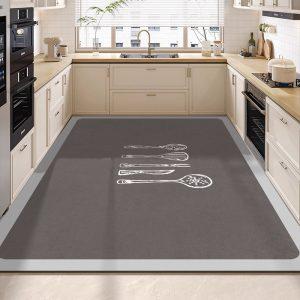
If you’re anything like me, your kitchen isn’t just a place where food gets made; it’s the social hub of the entire house. It’s where we catch up after work, where the kids do their homework at the island, and where we spend hours prepping that perfect Sunday roast. But have you ever noticed that by the time the dishes are finally done, your lower back feels like it’s been through a wrestling match? For years, I just accepted that "tired feet" were the price I had to pay for a home-cooked meal. I didn't realize that standing on hard, cold tile was actually putting unnecessary stress on my body. That all changed when I discovered how much of a difference professional kitchen floor mats can make. It’s one of those subtle upgrades that you don't realize you need until you finally step onto one and feel the instant relief.
My Personal Battle with "Chef’s Foot" and Hard Surfaces
I used to think my expensive sneakers were enough to keep me comfortable while I worked in the kitchen. I was wrong. No matter how much cushioning your shoes have, the floor eventually wins.
The Silent Toll of Standing on Cold Tile for Hours
I remember one particular holiday season where I spent nearly six hours straight on my feet. By the end of the night, my heels were throbbing, and I could barely stand up straight to enjoy the meal I’d just prepared. Hard surfaces like ceramic tile or hardwood are completely unforgiving. They don't absorb energy; they reflect it right back into your joints. It’s like walking on a brick wall for miles without moving an inch. This constant pressure leads to fatigue that sticks with you long after you've left the room.
The Science of Comfort in the Culinary Zone
So, what makes a high-quality mat so much better than a bare floor? It’s all about the physics of "resilience." A good surface needs to provide a balance between softness and support.
Shock Absorption: Protecting Your Knees and Back
Think of a premium mat as a giant shock absorber for your skeletal system. When you stand on a cushioned surface, the weight of your body is distributed more evenly across the soles of your feet. This reduces the concentration of pressure on your heels and the balls of your feet, which in turn takes the strain off your ankles, knees, and lower back.
Why Ergonomics Matter During Meal Prep
When we prep food, we aren't just standing; we are often leaning or reaching. These repetitive motions on a hard surface can lead to chronic aches. An ergonomic mat encourages a more natural posture, allowing you to focus on your knife skills rather than your aching joints.
How Improved Circulation Keeps You Going
One of the coolest things about using kitchen floor mats is that they encourage "micro-movements." Because the surface is slightly soft, your leg muscles have to make tiny, almost invisible adjustments to keep you stable. These tiny contractions act like a pump for your circulatory system, helping blood return to your heart and preventing that heavy, sluggish feeling in your legs.
Safety First: Slip Resistance and Spill Management
We all know the kitchen is a high-risk zone for spills. Whether it’s a splash of pasta water or a drop of olive oil, a slick floor can turn a fun evening into a trip to the emergency room in a heartbeat.
Why Texture and Grip are Non-Negotiable
A proper mat isn't just about comfort; it’s about survival. You need a surface with a high coefficient of friction that stays put even when the floor beneath it is damp. High-quality rubber compounds are naturally slip-resistant, providing the "bite" your feet need to stay planted. This is especially important near the sink or the stove where moisture is most likely to accumulate.
Durability and Hygiene: Keeping the Kitchen Clean
Let’s be honest: a kitchen mat that is a pain to clean is a mat that eventually ends up in the bin. You need something that can handle the inevitable dropped egg or spilled flour without becoming a permanent mess.
Easy-to-Clean Solutions for a High-Traffic Area
The best mats are non-porous. This means they don't soak up spills or odors like a sponge. A quick wipe with a damp cloth or a mild detergent is usually all it takes to keep them looking brand new. They don't trap crumbs or pet hair, making the environment much more hygienic for food preparation.
Aesthetic Integration: Finding a Mat That Matches Your Style
Gone are the days when a functional mat had to look like a piece of industrial equipment. Modern designs come in a variety of textures and colors that can actually enhance your kitchen's decor rather than detracting from it. You can find options that are sleek and low-profile, so you don't have to worry about tripping over the edges.
Elevating Your Cooking Experience with Premium Surfaces
At the end of the day, your kitchen should be a place of joy, not a place of physical endurance. If you find yourself rushing through your cooking just so you can go sit down, it’s time to take a look at the ground beneath your feet. I’ve spent a lot of time researching where to find the best balance of industrial-grade durability and home-friendly aesthetics, and the selection at Rubber Fit Floors is truly impressive. They understand that a home cook deserves the same level of protection and comfort that a professional chef gets in a five-star restaurant.
Conclusion: Walking on a Cloud While You Cook
Investing in your physical comfort in the kitchen is an investment in your quality of life. When your feet feel good, you have more energy to experiment with new recipes, more patience for the cleanup, and more presence of mind to enjoy the time spent with your family. Don't let a hard, cold floor dictate how much you enjoy your home. By adding a high-quality mat to your workspace, you’re telling your body that its comfort matters. So, the next time you’re standing over a bubbling pot of soup, imagine how much better you’d feel with a little extra support under your heels. Your knees, your back, and your feet will definitely thank you.
 English
Join our community to interact with posts!