
Therapists spend a large part of their week doing work that happens outside of direct client care. Notes, documentation, scheduling follow ups, reviewing goals, and keeping records organized all take time. For many providers, this work often extends beyond clinic hours and cuts into personal time.
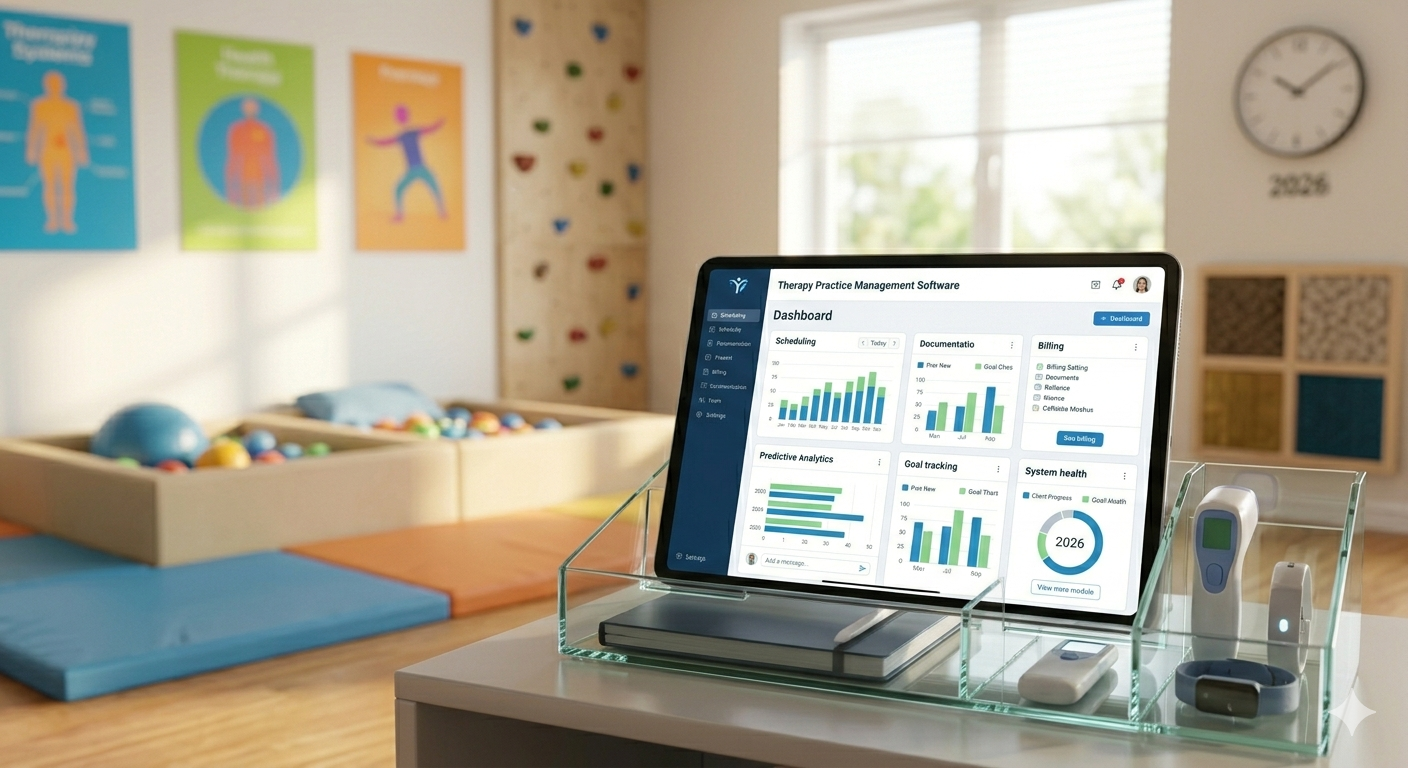
That is why more clinics are turning to practice management software for therapists that helps reduce repetitive tasks and keep documentation more structured. The goal is not to replace clinical thinking or personalize care less. It is to make everyday admin work easier so therapists can spend more time where it matters most: with clients and families.
Therapy notes software can make a meaningful difference when it is built around how therapists actually work. From faster note completion to easier access to treatment records, the right system can save hours each week and lower the stress that comes with unfinished documentation.
Why Documentation Takes So Much Time
Most therapists do not struggle because they are disorganized or inefficient. Documentation simply asks a lot from them.
A typical workday may include back to back sessions, communication with caregivers, progress tracking, billing coordination, and compliance requirements. Notes are not just a summary of what happened. They often need to reflect goals, interventions, client response, plan updates, and session outcomes in a clear and defensible way.
When this process is handled manually or across multiple disconnected tools, it becomes harder to stay on top of everything.
Common time drains include:
-
Rewriting the same information across different notes
-
Searching for old goals or previous session details
-
Switching between note files, calendars, and billing systems
-
Trying to complete documentation after a full day of sessions
-
Correcting incomplete or inconsistent records later
Even small inefficiencies repeated across a full caseload can add up quickly.
What Therapy Notes Software Actually Does
Therapy notes software is designed to simplify the process of recording, organizing, and reviewing clinical documentation. Instead of creating each note from scratch, therapists can use built in tools that support a faster and more consistent workflow.
A strong system often includes:
-
Custom note templates
-
Goal tracking within documentation
-
Session history access
-
Secure client records
-
Easy note editing and updates
-
Integration with scheduling and billing workflows
When these features work together, therapists spend less time on administrative repetition and more time on thoughtful clinical documentation.
1. It Reduces Time Spent Starting Every Note From Scratch
One of the biggest ways therapy notes software saves time is by removing the need to build each note manually.
When therapists use structured templates, they do not have to recreate the same note format for every client or service type. Instead, they can focus on what changed during the session and what needs to be documented clinically.
This is especially useful for providers who complete multiple sessions in one day and need a process that feels consistent and efficient.
Templates can support documentation for:
-
Daily treatment notes
-
Evaluations
-
Progress reports
-
Reassessments
-
Home program updates
-
Parent or caregiver communication
The time saved here may seem small on a single note, but over the course of a week it can become significant.
2. It Helps Therapists Stay More Consistent
Consistency is one of the most overlooked benefits of good documentation tools.
When therapists are moving quickly, it is easy to forget small but important details or document things in slightly different ways each time. Software helps create a more reliable structure, which can improve both speed and clarity.
This matters for several reasons. Consistent notes are easier to review, easier to defend if needed, and easier for other team members to understand. They also reduce the mental load of wondering whether a note includes everything required.
For growing clinics, this can support stronger documentation habits across the entire team rather than leaving each therapist to create their own system.
3. It Makes Previous Notes and Goals Easier to Find
Therapists often need to refer back to earlier sessions before writing a current note. They may want to check how a client responded to a previous intervention, review baseline data, or confirm the wording of a goal.
Without a central system, this can become frustrating and time consuming.
Therapy notes software helps by keeping client records organized in one place, so providers can quickly access what they need without searching through folders, email threads, or separate documents.
This can be especially helpful when working with:
-
Long term therapy plans
-
Pediatric clients with evolving goals
-
Multidisciplinary teams
-
High volume caseloads
-
Frequent progress reporting requirements
When information is easier to access, note writing becomes faster and more clinically connected.
4. It Supports Better Workflow Between Sessions
A lot of documentation stress comes from what happens between sessions, not just after them.
Therapists often have limited time to prepare, transition, and reset. If note completion requires too many clicks, too much searching, or too much retyping, it becomes harder to stay current throughout the day.
Good software supports workflow by helping therapists move from one task to the next with less friction. That may include opening a note directly from the schedule, carrying over relevant client information, or making documentation easier to complete while details are still fresh.
This kind of workflow support can reduce the number of notes left unfinished at the end of the day.
That is often where the biggest weekly time savings happen.
5. It Can Improve Collaboration Across the Clinic
Therapists do not work in isolation. In many clinics, documentation also affects front office teams, billing staff, supervisors, and other providers.
When records are stored in separate systems or updated inconsistently, everyone spends more time following up, clarifying information, or trying to piece together what happened.
A more connected documentation system helps teams stay aligned.
For example, it can make it easier to:
-
Share updates between providers
-
Track session completion
-
Support smoother billing handoff
-
Review caseload activity
-
Prepare for supervision or audits
This creates a more efficient clinic environment overall, not just a faster note writing process for individual therapists.
6. It Helps Reduce End of Week Documentation Backlogs
One of the most common pain points in therapy practice is the Friday backlog. Notes that were meant to be completed after each session often pile up, especially during busy weeks.
Once documentation falls behind, it becomes harder to remember specific session details and easier to feel mentally overloaded.
Therapy notes software helps reduce this pattern by making it easier to complete notes in real time or shortly after each visit. Even shaving a few minutes off every session note can prevent hours of catch up work later in the week.
For many therapists, this is one of the most valuable outcomes. It is not just about efficiency. It is about ending the week with less unfinished work.
7. It Can Support Better Clinical Focus
Time savings matter, but the bigger benefit is often clinical energy.
When therapists spend less mental effort on repetitive admin work, they can stay more focused on treatment planning, family communication, and client progress. Documentation becomes a smoother part of care delivery rather than a separate burden hanging over the day.
That shift can improve how work feels, not just how fast it gets done.
Therapists are more likely to benefit from software when it supports their real workflow rather than forcing them into a rigid process that slows them down. The best systems feel like they are built to support practice, not complicate it.
What to Look for in Therapy Notes Software
Not every system saves time equally. Some platforms add complexity instead of reducing it.
If your goal is to improve weekly efficiency, it helps to focus on features that actually support your daily workflow.
Look for software that offers:
-
Easy to use documentation templates
-
Secure and organized client records
-
Quick access to past notes and goals
-
Integration with scheduling or billing
-
Flexible workflows for different therapy disciplines
-
A clean interface that does not require extra steps
The best therapy documentation software should help your clinic work more smoothly without making therapists feel like they are learning a complicated new admin system.
Saving Time Also Protects Therapist Capacity
When people talk about clinic efficiency, it often sounds like the goal is simply to get more done. But for therapists, time savings are also about protecting energy and reducing unnecessary pressure.
Every hour spent catching up on notes after work is an hour taken from rest, family, planning, or recovery. Over time, that adds up.
The right documentation tools can help therapists finish work more completely during work hours, which supports a more sustainable pace. That matters for individual providers and for clinics trying to build healthy long term teams.
Therapy notes software saves time by making documentation more structured, more accessible, and easier to complete throughout the week. It reduces repetition, supports consistency, and helps therapists stay on top of the tasks that often create the most stress behind the scenes.
For clinics looking to improve workflow without sacrificing quality of care, documentation tools can be one of the most practical upgrades to consider. The right practice management software for therapists should not just organize information. It should help create a workday that feels more manageable, more efficient, and more focused on care.
FAQs
1. How much time can therapy notes software actually save each week?
The exact time varies by caseload and workflow, but many therapists save several hours per week by using templates, faster note access, and more organized records. Small time savings across multiple sessions can add up quickly.
2. Is therapy notes software useful for small therapy practices?
Yes. Small practices often benefit the most because therapists and clinic owners are usually managing both care and admin tasks. A simpler documentation process can make day to day operations feel much more manageable.
3. What is the difference between therapy notes software and a full practice management platform?
Therapy notes software focuses mainly on documentation, while a full platform may also include scheduling, billing, communication, telehealth, and reporting tools. Many clinics choose systems that combine both so they can reduce the number of separate tools they use.
Take your therapy practice to the next level
Sign up with Ready Set Connect and unlock tools designed to save time, stay organized, and grow with you.
 English
Join our community to interact with posts!