
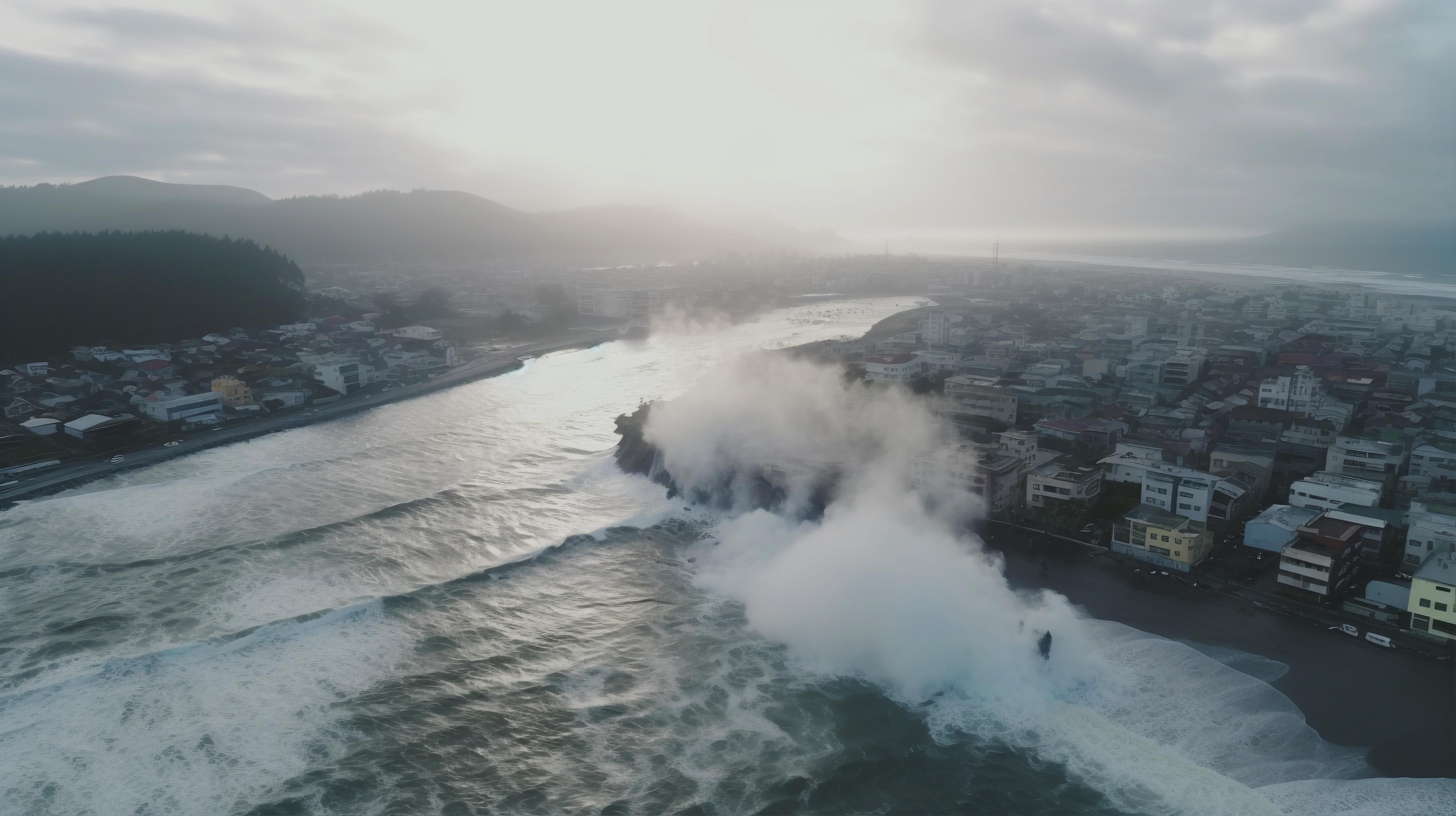
Flooding In Florida Is No Longer A Rare Problem
People in Florida are used to storms. Hurricanes show up on the news every year, everybody buys extra batteries, then life moves on. But flooding has become a different kind of issue now. It’s not only coastal neighborhoods getting hit anymore. Inland areas flood too. Streets back up. Retention ponds overflow. One afternoon of nonstop rain can leave entire subdivisions underwater. That’s why more homeowners are paying attention to flood insurance providers in Florida instead of assuming their regular insurance policy will save them later. Truth is, most standard homeowners insurance policies do not cover flood damage the way people think they do. And people usually discover that at the worst possible time. Right after the damage already happened.
Most Homeowners Don’t Fully Understand Their Coverage
The short answer is simple. Water coming from outside the house is usually treated differently than water damage happening inside the home. Insurance companies make that distinction very clear once a claim gets filed. A burst washing machine hose? Maybe covered. Rising floodwater entering through doors or windows? A whole different conversation. Let’s be real, most people never sit down and read every line of their insurance paperwork carefully. The wording gets complicated fast. Exclusions hide in places nobody notices. That’s why flood policies exist separately in the first place. Homeowners need protection specifically built for flood risk because regular property insurance often leaves major gaps behind. And in Florida, those gaps can turn into massive repair bills pretty quickly.
Flood Zones Still Matter, But They’re Not Everything
A lot of homeowners focus only on FEMA flood zones because that’s what banks and lenders usually mention first. But insurance companies now use much more data than just government flood maps. Elevation plays a role. Drainage systems matter too. Nearby development changes water movement in ways people don’t expect. Sometimes a home outside a high-risk flood zone still receives expensive premiums because insurers see hidden risk factors. Other times homes closer to water end up surprisingly affordable due to mitigation improvements. Sounds strange but it happens all the time. Florida weather patterns have shifted enough that insurers constantly reevaluate flood exposure. That’s why relying only on old flood maps can give homeowners a false sense of security.
Private Flood Insurance Changed The Market Fast
For years, federally backed flood insurance dominated most conversations in Florida. Now private insurers are everywhere. Some offer broader protection. Some offer faster claims handling. Others advertise lower premiums that grab homeowners’ attention immediately. But cheaper isn’t always smarter. That part gets overlooked a lot. Some private policies carry stricter exclusions or higher deductibles hidden beneath attractive pricing. And honestly, many people don’t notice until they compare policies side by side. A reliable insurance agent should explain those differences clearly instead of just selling the lowest number possible. Homeowners need to ask direct questions too. Ask about replacement costs. Ask about content coverage. Ask what happens if temporary housing becomes necessary after a flood. Those details matter way more than flashy marketing slogans.
Good Service Matters More Than Most People Think
Buying a policy online takes ten minutes. Filing a flood claim after your house gets damaged? A totally different experience. Flood claims can become stressful fast because documentation requirements are strict. Insurance companies want photos, receipts, damage reports, inventory lists. Sometimes homeowners assume every damaged item automatically gets replaced and honestly, that’s rarely how it works. There are limits. Categories. Depreciation rules. This is why strong flood insurance services Florida homeowners can trust are valuable long before storm season even starts. Good service means somebody actually explains the policy upfront instead of disappearing once payment clears. It also means helping homeowners understand deductibles and coverage gaps before disaster turns everything chaotic.
Older Florida Homes Carry Unique Flood Risks
Florida has a huge number of older homes, and many come with flood vulnerabilities people don’t immediately notice during walkthroughs. Some properties sit lower than surrounding streets because neighborhoods changed over decades. Others have outdated drainage systems or aging foundations insurers view as higher risk. Renovation history matters too. Unpermitted upgrades sometimes create insurance complications later. Buyers often focus heavily on the roof or air conditioning system while barely asking questions about flood history. Big mistake honestly. Flood repairs on older homes can get extremely expensive because materials, electrical systems, and structural work may no longer match current building standards. Insurance companies know this already, which affects pricing more than homeowners expect.
Cheap Flood Policies Can Cost More Later
Everybody wants affordable insurance. Nobody enjoys another monthly payment. But chasing the absolute cheapest flood policy sometimes creates bigger financial problems later. Lower premiums often come with weaker contents protection or deductibles so high they barely help after moderate flooding. Construction costs across Florida have climbed hard in recent years too. Labor shortages. Material price increases. Delays everywhere. Rebuilding a flooded home now costs much more than many homeowners assume. That’s why experienced agents often recommend focusing on overall coverage value instead of just the lowest premium available online. Strong flood insurance services Florida providers should walk homeowners through those tradeoffs honestly instead of acting like every cheap quote is automatically a win.
Waiting Until Hurricane Season Usually Backfires
Every single year people wait until storms start appearing on weather forecasts before looking into flood insurance. Happens constantly. The problem is most policies include waiting periods before coverage becomes active. Meaning once a major storm is approaching Florida, it could already be too late to buy protection for that specific event. That catches homeowners off guard all the time. The smarter move is reviewing flood insurance options early, before hurricane season gets chaotic and stressful. Decisions made calmly are usually better decisions anyway. Fear pushes people toward rushed choices and rushed insurance decisions often leave important details overlooked. Flood preparation works best when handled before panic takes over the conversation.
Conclusion
Flooding in Florida has become a reality homeowners can’t afford to ignore anymore. Strong storms, heavier rainfall, overloaded drainage systems, all of it increases property risk across the state. That’s exactly why more people are researching flood insurance providers in Florida instead of assuming standard homeowners insurance covers everything automatically. The truth is, flood protection requires careful attention because policies vary more than most homeowners realize. Reliable flood insurance services Florida should help people understand exclusions, rebuilding costs, claims expectations, and coverage limits before disaster ever happens. Because once floodwater enters a home, the damage moves fast. At that point, having the right protection already in place can make the difference between recovery and years of financial frustration.
 English
Join our community to interact with posts!