
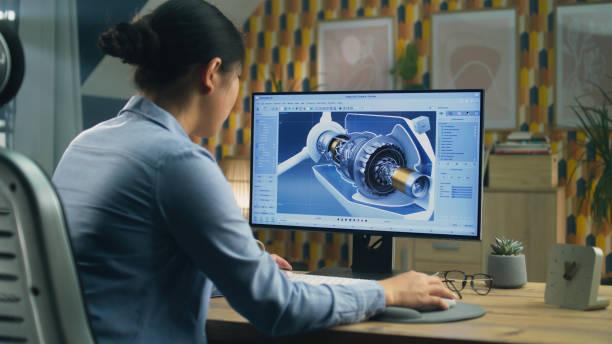
Every couple of months some junior engineer messages me asking if they should bother learning this software, and honestly, the answer isn't as simple as yes or no. A civil 3D course online is probably one of the smartest moves you can make right now if you're working anywhere near site design, road corridors, or grading plans. I've seen firms reject decent candidates just because they couldn't touch a corridor model. That's the reality. Nobody's asking if you know AutoCAD anymore, they assume that. What they want to know is whether you can build a surface, run a pipe network, and not panic when the alignment breaks. It's not glamorous work, but it pays the bills and it separates the people who get promoted from the people who stay stuck doing redlines forever.
Why Firms Keep Asking for This Skill Specifically
Here's the thing nobody tells you upfront, civil engineering firms are drowning in old CAD files and half the staff still draws everything manually like it's 2009. When someone walks in already fluent in dynamic modeling, it's a relief for the project manager, genuinely. They don't have to babysit you through basic surface creation or explain what a feature line is for the fifth time. I worked with a guy, decent engineer, smart as anything, but he kept modeling grading by hand because nobody ever sat him down and taught him the software properly. Took him three times as long on every job. That's the gap a structured course closes, and it closes it fast if you actually put in the hours instead of just watching tutorials passively.

It's Not Just About Speed, It's About Not Screwing Up
Speed matters, sure, but the bigger issue is mistakes. Manual takeoffs and hand calculations leave way more room for human error, and errors in earthwork or utility runs cost real money, sometimes tens of thousands of dollars once you're mid-construction and someone realizes the grading doesn't drain right. Automated tools catch a lot of that before it ever leaves the office. I'm not saying software makes you infallible, far from it, I've seen people build gorgeous corridor models that were completely wrong because they fed it bad survey data. Garbage in, garbage out, that old line still holds. But when you know the tool properly, you catch those problems earlier, and that alone justifies the time spent learning it properly.
Where Rendering Fits Into This Whole Picture
Now here's where things get interesting, and where a lot of engineers miss an opportunity. Civil work isn't just about grading plans and utility layouts anymore, clients want to see things. They want a picture, a walk-through, something that isn't a flat topographic drawing covered in contour lines they can't read. This is where SketchUp rendering services come into play, and honestly it's underused in the civil world compared to architecture. A rough SketchUp massing model with a decent render attached can win you a client meeting that a stack of engineering drawings never would. I've watched municipal boards approve concepts faster just because they could actually visualize the finished site instead of squinting at a plan set trying to imagine what it looks like.
The Two Skills Actually Work Together Better Than You'd Think
People tend to think of these as separate worlds, hardcore technical modeling on one side and pretty visualization on the other, but that's a false split. A grading model built properly can feed into a rendering workflow without starting from scratch again, saves you hours honestly. I've had projects where the surface data went straight from the design software into a visualization pipeline and the client got both the engineering accuracy and a render that didn't look like a video game screenshot. If you're only investing in one skill and ignoring the other, you're leaving money and opportunities sitting on the table, plain and simple.
The Learning Curve Is Real, Don't Let Anyone Tell You Otherwise
I'll be blunt here because too many course ads pretend this stuff is effortless. It's not. The interface alone will frustrate you for the first couple weeks, there's a lot of hidden settings buried three menus deep, and the corridor tools especially have a habit of breaking for reasons that make no sense until you've broken them yourself a dozen times. That said, structured learning beats trial and error every single time. Watching random YouTube clips gets you halfway there, maybe, but a proper course walks you through the logic behind why the software behaves the way it does, which matters more than memorizing button locations. Once the logic clicks, everything after that gets noticeably easier, almost frustratingly so compared to how hard the first few weeks felt.
What Employers Are Actually Looking For Right Now
Job postings have shifted a lot in the past few years, and if you're paying attention you'll notice most civil engineering listings now list corridor modeling and dynamic design software as either required or strongly preferred. It's not a nice-to-have anymore in a lot of markets. Smaller firms especially want generalists who can jump between drafting, modeling, and sometimes even a bit of visualization work when a client needs a quick concept render. That versatility is worth more than people realize, because it means you're not easily replaceable, and honestly in this economy that matters. Firms are also more willing to pay slightly more for someone who doesn't need six months of hand-holding before they're productive on real projects.
A Quick Word on Cost Versus Payoff
People get hung up on the price of training and I get it, decent courses aren't free, and neither is the software itself if your firm isn't providing licenses. But weigh that against what you're actually gaining. A few hundred dollars and some evening hours spread over a couple months against a skill that potentially adds thousands to your salary over the next few years, that math isn't complicated. I've had people tell me they'd rather learn it on the job slowly, and sure, that works too, but it takes longer and you're often learning bad habits from whoever's training you informally. Structured learning tends to build cleaner habits from day one, which saves headaches later when you're the one training someone else.
Conclusion
Look, nobody's saying software skills replace actual engineering judgment, they don't, and anyone who tells you a tool alone makes you a good engineer is selling something. But in a field that's getting more competitive every year, refusing to pick up modern design and visualization tools is just making things harder on yourself for no real reason. Whether you go for structured training in corridor design or start dabbling in rendering to make your presentations land better with clients, both moves pay off. The people who stay curious, who keep adding tools to their belt instead of coasting on what they learned in school a decade ago, those are the ones who end up running projects instead of just working on them. Worth thinking about, at least.
 English
Join our community to interact with posts!