
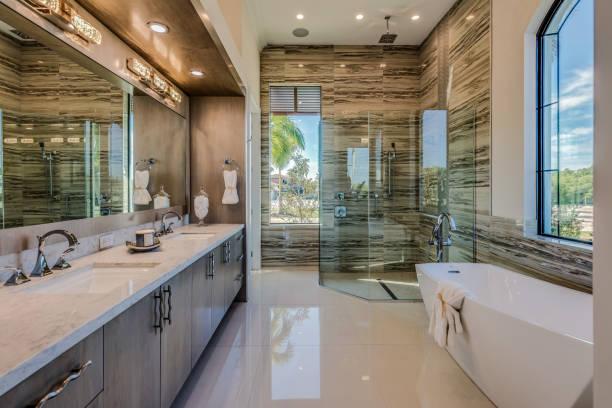
Bathroom remodels go sideways more often than people expect. You start with a clear vision, a budget that feels reasonable, and a rough timeline in your head, and then three weeks in you're staring at rotted subfloor and a plumber who's explaining why the drain can't go where you thought it could. Sound familiar? Most homeowners don't realize how many decisions need to happen before a single fixture gets pulled. If you're planning Bathroom Remodeling in Dana Point CA, this list covers the mistakes that cause the most headaches, the most delays, and honestly, the most regret.
Skipping a Realistic Budget Buffer
Almost every bathroom remodel ends up costing more than the original estimate. That's not cynicism, it's just how construction works. Walls get opened up and you find old galvanized pipes that need replacing. The tile you picked is back-ordered for six weeks. There's a layer of water damage under the floor that nobody knew was there. These things happen all the time.
The standard advice is to add 15 to 20 percent on top of your quoted budget as a contingency. But honestly, if your bathroom is older or hasn't been touched in 20-plus years, I'd push that closer to 25 percent. Not because contractors are guessing, but because older homes hide problems. Plan for the surprises before they happen and you won't feel blindsided when they do.
Also worth thinking about: don't sink your entire contingency into finishes. Splurging on a statement mirror is fine. But if you've spent every dollar on aesthetics and then find a plumbing issue mid-project, you're stuck. Keep that buffer liquid and don't touch it until the job's done.
Prioritizing Style Over Function
This one's surprisingly common. You see a bathroom on a design blog or a renovation show, fall in love with the look, and try to copy it without thinking through how it actually works day-to-day. Open shelving looks beautiful in photos. It also collects dust, shows every product label, and gives you zero privacy for things you'd rather not display.
Bad lighting is another one. Recessed ceiling lights look sleek, but they cast shadows straight down onto your face, which is about the worst possible setup for a space where you're shaving or doing makeup. Side-mounted sconces near the mirror are less flashy but genuinely useful. Function should lead, and style should follow.
Traffic flow matters too. A door that swings into the toilet, a vanity that blocks the shower entry, a layout that makes two people getting ready at once feel like a game of Tetris. These are design problems that look fine on a floor plan but feel awful in real life. Think through the movements you make every single morning before you commit to a layout.
Underestimating the Timeline
People consistently assume bathroom remodels are quick. They're not. A proper bathroom remodel, from the planning and design phase through permitting, ordering materials, demolition, rough-in work, and finishing, takes weeks at minimum and often runs two to three months for a full gut renovation. That's before you factor in any surprises.
Rushing the planning stage is where a lot of mistakes get locked in. Decisions made in a hurry, like picking a tile because you need to order something today, or choosing a vanity that ships fast rather than one that fits the space, tend to be decisions you regret for years. Take the time upfront. It saves you from making permanent choices under pressure.
If you're working with a contractor, ask for a realistic project schedule in writing before work starts. Not a vague "four to six weeks," but actual phases with rough dates. That way you can plan around it, and you'll have something to refer back to if things start to drag.
Ignoring Ventilation and Waterproofing
This is the mistake that causes the most long-term damage. Quietly. You won't see it right away, which is part of the problem. Poor ventilation and bad waterproofing don't announce themselves until you've got mold behind the walls, crumbling grout, or structural deterioration that requires tearing everything out and starting over.
Exhaust fans are not optional. A lot of older bathrooms have fans that are either undersized, broken, or vented into the attic instead of outside. All three are problems. The EPA's guidance on mold prevention is pretty clear that moisture control is the single most important factor in stopping mold growth, and bathrooms are ground zero for that. Make sure your fan is sized correctly for the square footage and actually vents to the exterior.
Waterproofing in wet areas, the shower walls, the floor, around the tub, is equally serious. Tile is not waterproof on its own. The grout isn't either. There needs to be a proper membrane underneath, installed correctly, before any tile goes up. Skipping this step or doing it poorly is one of the most expensive mistakes a homeowner can make, because fixing it later means ripping out everything you just paid to install.
Trying to DIY the Wrong Parts
There's nothing wrong with doing some of the work yourself. Painting, simple demo, maybe even installing a vanity if you're comfortable with basic plumbing connections. But some tasks really do require professional skill, and the bathroom has a lot of them concentrated in one small room.
Tile layout is one people underestimate. Getting it to look right, especially around obstacles like drains, corners, and niches, takes experience. Plumbing rough-in needs to meet local code or you'll fail inspection. Electrical work in a wet area has specific requirements around GFCI protection and fixture placement that aren't optional. If you're considering Professional Bathroom Remodeling in Dana Point, a licensed contractor knows these requirements cold and won't cut corners that come back to bite you later.
If you're in the area and want someone who's done this kind of work before, Innovative Interiors is worth looking at for full-scope bathroom projects. The cost of hiring a pro for the technical work is almost always less than the cost of fixing DIY mistakes after the fact. That's not an exaggeration. I've seen tile jobs that had to be completely redone because the substrate wasn't prepped right, and the redo cost more than the original installation would have.
The smart move is to DIY what you genuinely can, and to be honest with yourself about where your skills end. Bathrooms are small rooms that get used hard every single day, and the work needs to hold up. Professional Bathroom Remodeling in Dana Point is an investment, but it's one that pays off when you're not dealing with leaks, failed inspections, or a shower that looks rough after two years.
Bathroom Remodeling in Dana Point CA is a real investment in your home. Done right, it adds value, improves your daily routine, and lasts for decades. Done with these mistakes in place, it becomes a source of ongoing frustration. The five issues above are all avoidable with a bit of planning, realistic expectations, and knowing when to call in someone who does this for a living.
Frequently Asked Questions
How much should I budget as a contingency for a bathroom remodel?
Most contractors suggest 15 to 20 percent on top of your quoted project cost. For older homes or bathrooms that haven't been updated in a long time, bumping that up to 25 percent is smart. Hidden issues like water damage or outdated plumbing are common once walls get opened up, and having that buffer means you're not scrambling mid-project.
How long does a full bathroom remodel usually take?
A full gut renovation typically runs anywhere from six to twelve weeks, sometimes longer. That includes the planning and design phase, ordering materials, permitting, demolition, rough-in work, and finishing. Smaller updates like a vanity swap or retiling can be done faster, but don't assume any bathroom project wraps up in a weekend.
Do I really need a permit for a bathroom remodel?
It depends on the scope of work. Cosmetic changes like painting or swapping fixtures usually don't require a permit. But if you're moving plumbing, changing electrical, or doing structural work, a permit is almost certainly required. Skipping it can cause problems when you sell the home, and it means the work won't be inspected for code compliance.
What's the most common waterproofing mistake in bathroom remodels?
Tiling directly over cement board without a proper waterproof membrane underneath. A lot of people assume the tile and grout keep water out, but they don't. Water gets through grout joints and behind tile over time. Without a membrane, it soaks into the substrate and causes mold, rot, and eventually a very expensive tear-out.
Can I save money by doing part of the remodel myself?
Yes, but be selective about which parts. Demo work, painting, and some fixture installations are reasonable DIY tasks if you're comfortable. Tile layout, plumbing rough-in, and any electrical work in wet areas are better left to licensed pros. The cost of fixing a DIY mistake in those areas usually exceeds what you would have paid a professional to do it right the first time.
 English
Join our community to interact with posts!