
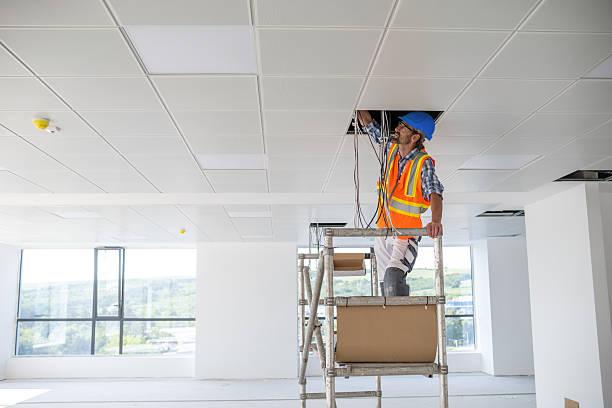
Most homeowners brush off a flickering light or a tripped breaker, thinking it's just one of those things. And sometimes it is. But sometimes it's your house telling you something is genuinely wrong inside the walls, and ignoring it long enough can turn a small repair into a house fire. Knowing which symptoms to take seriously is the difference between a quick service call and a disaster. If you've been noticing weird stuff happening with your outlets, lights, or panel, this article walks you through the red flags that actually matter. For homeowners in the Antelope Valley area, getting Electrician in Lancaster CA from a licensed pro is the smartest first move when things start feeling off.
Frequent Breaker Trips: More Than Just an Annoyance
A breaker that trips once in a blue moon after you plug in too many things? That's normal. But if yours is tripping regularly, that's a different story. Your panel is telling you it can't handle the load, or there's a fault somewhere in the circuit that's forcing the breaker to shut things down for safety.
Older homes are especially prone to this. They were built when a household's electrical demand was a fraction of what it is now. Flat-screen TVs, gaming setups, home offices, EV chargers, all of it adds up fast. A panel that made sense in 1975 doesn't make sense in 2026. If you're resetting breakers more than once or twice a month on the same circuit, have someone look at it.
There's also the possibility of a wiring fault, not just an overloaded circuit. Loose connections, damaged insulation, or a failing outlet can cause a breaker to trip even when the load is totally reasonable. Don't just reset and forget. That pattern is worth investigating.
Flickering or Dimming Lights
One flickering bulb in a lamp? Probably the bulb. Lights that dim across the whole house when the AC kicks on, or flicker constantly with no obvious cause? That's a wiring issue. Could be a loose connection at the panel, a failing main wire, or a circuit that's shared with too many heavy appliances.
Pay attention to when it happens. If lights dim every time your washing machine spins up or your HVAC starts a cycle, that suggests the appliance is pulling more current than the circuit can cleanly handle. Large motors cause a brief voltage drop, and if your wiring is marginal, you'll see it in the lights. According to the U.S. Consumer Product Safety Commission, electrical failures and malfunctions are a leading cause of residential fires, which is exactly why these symptoms aren't worth ignoring.
Flickering that happens randomly with no pattern is harder to pin down but often points to a loose neutral wire somewhere in the system. That's not a DIY fix. Loose neutrals can cause voltage swings that damage your appliances and create a real fire risk inside the wall.
Burning Smells, Warm Outlets, and Discolored Switch Plates
This one's urgent. Full stop. If you smell something burning near an outlet, switch, or your electrical panel and you can't find an obvious source, treat it like an emergency. Don't just sniff around and go back to watching TV.
Warm or hot switch plates and outlets usually mean one thing: there's heat building up behind the wall where it absolutely shouldn't be. Discoloration, scorch marks, or a slightly melted look around an outlet face are signs that arcing or overheating has already happened. Arcing is when electricity jumps a gap it shouldn't, and it generates enough heat to ignite wood, insulation, or anything else nearby.
Homeowners getting Electrical Services in Lancaster CA for this kind of issue often find out the problem started months earlier with a warm outlet they ignored. Don't be that person. If an outlet or switch is warm to the touch without a heavy load plugged in, call someone that day.
Outdated Wiring: The Hidden Problem Inside the Walls
Two wiring types show up in older homes that should raise a flag immediately. Knob-and-tube wiring, which was standard through roughly the 1940s, has no ground wire and the insulation gets brittle and cracked with age. Aluminum wiring, common in homes built between about 1965 and 1973, expands and contracts differently than copper and can loosen connections over time, creating hot spots at outlets and switches.
Neither of these is automatically a reason to panic, but both need to be assessed by someone who knows what they're looking at. Jspark Electric INC is one option for homeowners in the Lancaster area who want a proper inspection done without the runaround. A licensed electrician can tell you whether your old wiring is in acceptable condition or whether it needs to be updated before it causes a problem.
The tricky part is that this wiring often looks fine from the outside. The danger hides behind walls and in attic spaces where nobody's looking. If your home was built before 1975 and you've never had an electrical inspection, that's worth scheduling. Seriously.
Buzzing Sounds From Outlets or the Panel
Electricity doesn't make noise when it's working right. So if you're hearing a buzzing, humming, or crackling sound from an outlet, switch, or your breaker panel, something is wrong. Pretty simple rule.
Buzzing from an outlet or switch often means there's a loose wire or a failing connection causing arcing. At the panel, buzzing can point to a breaker that's starting to fail, a loose bus connection, or in older homes, a double-tapped breaker where two wires share a single breaker slot they weren't designed to share. All of these create heat and fire risk.
Top-Rated Electrical Services in Lancaster CA will typically include a panel inspection as part of any service call, and it's worth asking for one even if the buzzing seems minor. A breaker that hums quietly today can fail in a much more dramatic way later. Don't wait for dramatic.
When You Shouldn't Wait to Call
Some things can wait a few days for a scheduled appointment. Others can't. Here's a quick list of symptoms that mean you should pick up the phone today, not next week.
-
Any burning smell from an outlet, switch, or panel with no obvious source
-
Visible scorch marks or discoloration around outlets or switch plates
-
An outlet or switch that's warm or hot to the touch
-
Buzzing or crackling sounds from the panel or any outlet
-
Breakers that won't stay reset or trip repeatedly on the same circuit
-
Lights flickering across multiple rooms at once with no pattern
Anything on that list is a same-day call. Everything else, frequent trips, dimming lights tied to appliance cycles, outdated wiring you're just now learning about, those are worth scheduling soon, but you don't necessarily need to shut everything off and call it a crisis. Use your judgment, and when in doubt, call anyway. A quick phone consult with a licensed electrician costs nothing and might save you a lot of grief.
Frequently Asked Questions
How often should a home's electrical system be inspected?
Most electricians suggest a full inspection every ten years for newer homes and every three to five years for homes over 25 years old. If you've recently added major appliances, done a renovation, or bought an older home without inspection records, do it sooner. It's a pretty quick process and gives you real peace of mind.
Is a tripping breaker always a sign of a serious problem?
Not always. A single trip after plugging in too many things on one circuit is usually just an overload, and resetting it is fine. But if the same breaker trips repeatedly, or trips with a normal load on the circuit, that's worth having checked. Repeated trips on the same circuit usually mean something's wrong, not just overloaded.
Can I replace an outlet myself if it looks scorched?
Honestly, you shouldn't. A scorched outlet means there was heat or arcing behind the wall, and swapping the outlet face doesn't fix whatever caused the damage. You could be replacing a burned outlet while leaving a damaged wire behind the wall that'll cause the same problem again, or worse. Get a licensed electrician to open it up and check the whole circuit.
What's the difference between aluminum wiring and copper wiring in terms of risk?
Copper is the standard for a reason. Aluminum expands and contracts more with temperature changes, which loosens connections at outlets, switches, and the panel over time. Loose connections cause heat. That heat can ignite surrounding materials. It doesn't mean aluminum wiring always fails, but it does need specific outlets and connections rated for aluminum, and older homes often don't have those. An inspection will tell you where you stand.
How do I know if my electrical panel needs to be replaced or just upgraded?
If your panel is undersized for your home's current load, frequently trips, has breakers that feel hot, or is a known problematic brand from the 1980s or 90s, replacement is usually the right call. Electrical Services in Lancaster CA that include a panel assessment can give you a straight answer based on what they actually see, not just a guess. Some panels just need a breaker swapped. Others need to go entirely.
 English
Join our community to interact with posts!