
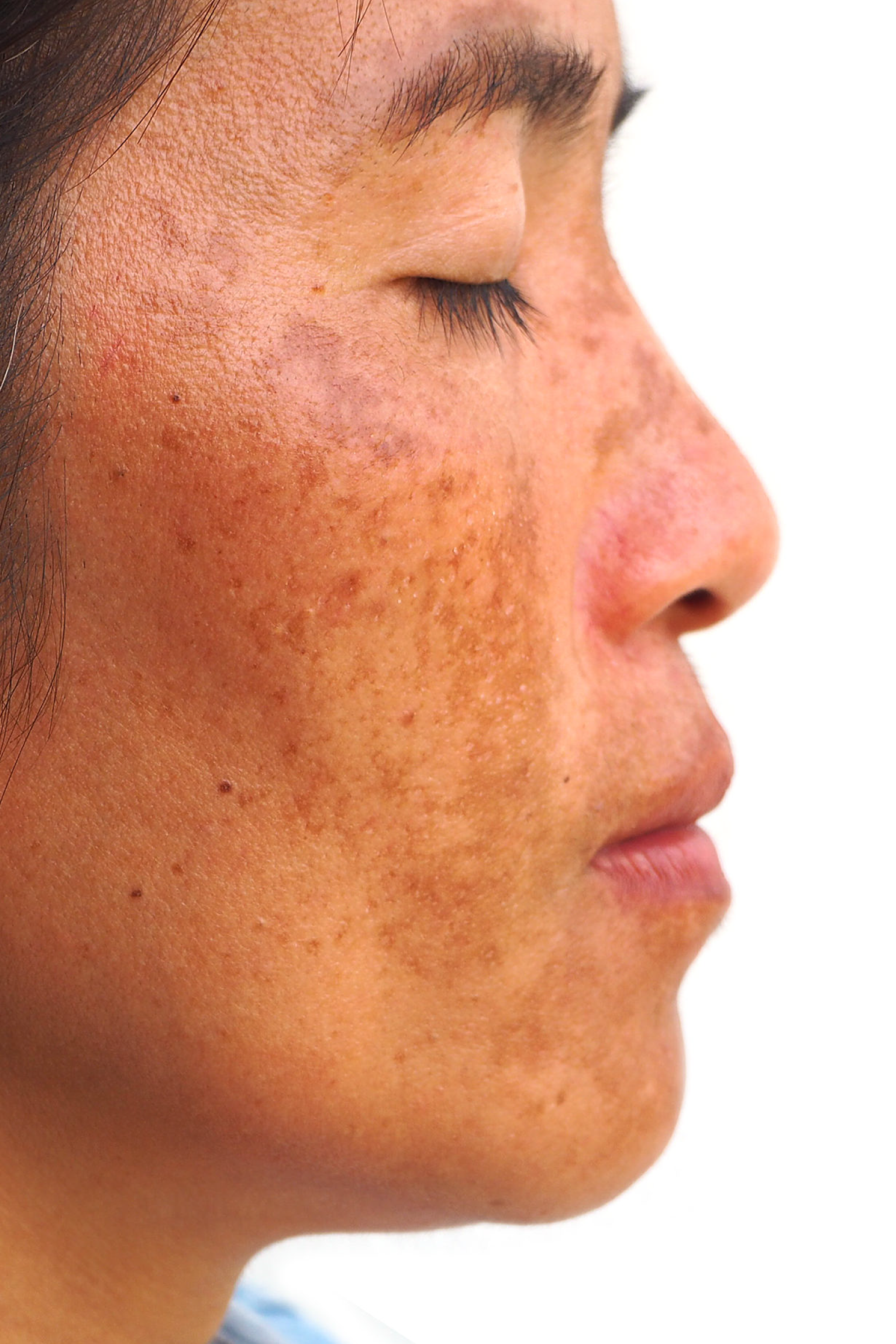
Skin pigmentation in Dubai can become more noticeable when regular sun exposure encourages excess melanin production. Sun-related spots may appear gradually on the face, hands, neck, shoulders and other exposed areas. While these marks can be a normal response to cumulative environmental exposure, they may become a cosmetic concern when they create an uneven complexion.
Managing sun-related discoloration involves more than targeting existing spots. Protecting the skin from ultraviolet radiation, reducing unnecessary irritation and maintaining a consistent routine can help limit further pigment changes while supporting a more balanced appearance.
What Are Sun-Related Spots?
Sun-related spots are areas where pigment becomes more concentrated than in the surrounding skin. They may appear as small brown or darker patches and are commonly found on parts of the body that receive frequent sunlight.
These spots can become more noticeable over time because cumulative ultraviolet exposure stimulates pigment-producing cells.
Their appearance can vary according to natural skin tone, exposure history and individual sensitivity to sunlight.
Why Does Sun Exposure Increase Pigmentation?
Melanin is produced naturally by the skin and helps provide protection against ultraviolet radiation. When the skin is exposed to UV rays, pigment-producing cells can become more active.
Repeated exposure may cause melanin to accumulate unevenly. As a result, certain areas can appear darker than the surrounding complexion.
This process is one reason sun protection is essential when managing existing pigmentation.
Skin Pigmentation in Dubai and Daily UV Exposure
Regular outdoor exposure can make pigmentation management particularly important. Sunlight is not limited to beach visits or long outdoor activities. Walking, driving, commuting and outdoor meals can all contribute to cumulative exposure.
Using sunscreen as part of a daily routine can help reduce the amount of UV radiation reaching exposed skin.
Additional protection through shade, hats and appropriate clothing can further reduce direct exposure.
How to Protect Against New Sun Spots
Preventing additional pigmentation should be a central part of long-term care.
Use Broad-Spectrum Sunscreen
A broad-spectrum sunscreen can help protect the skin against UVA and UVB radiation. It should be applied to exposed areas consistently rather than only when spending an entire day outdoors.
During prolonged outdoor activity, reapplication may be necessary.
Use Physical Protection
Hats, sunglasses and protective clothing can reduce direct sunlight reaching commonly exposed areas.
Seeking shade during periods of strong sunlight can also reduce UV exposure.
Avoid Unnecessary Sun Exposure
Planning outdoor activities around shaded areas and limiting prolonged direct exposure can support pigmentation prevention.
These simple habits can complement sunscreen rather than replacing it.
Can Existing Sun Spots Fade?
Some superficial pigmentation may gradually become less noticeable when the skin is consistently protected from further UV exposure.
However, established spots do not always disappear on their own. Their response depends on factors such as pigment depth, duration and individual skin characteristics.
Continued sunlight without adequate protection can make them darker and may encourage additional discoloration.
Skin Care for Sun-Related Pigmentation
A consistent routine can support the appearance of a more even complexion. Gentle cleansing and appropriate moisturization can help maintain the skin barrier.
Selected active ingredients may also be incorporated into a pigmentation-focused routine. Vitamin C, niacinamide, retinoids and certain exfoliating ingredients are commonly used for uneven skin tone.
The choice and frequency of active products should depend on individual tolerance. Excessive use can cause irritation and potentially contribute to additional pigmentation.
Why Over-Exfoliation Can Make Things Worse
Scrubbing harder does not necessarily remove pigmentation faster. Excessive exfoliation can damage the skin barrier and create inflammation.
Inflammation may stimulate additional pigment production in people who are prone to post-inflammatory hyperpigmentation.
A controlled approach to exfoliation is therefore preferable to frequent aggressive treatments.
Professional Options for Sun Spots
Persistent sun-related discoloration may benefit from professional treatment. Depending on the appearance and depth of the spots, options may include chemical peels, laser-based procedures, light-based treatments or other targeted techniques.
Different methods work in different ways, so the appropriate option depends on the specific pigmentation concern.
Treatment should also take skin sensitivity and the possibility of post-treatment discoloration into account.
Chemical Peels for Uneven Tone
Certain chemical peels can encourage controlled exfoliation and help improve the appearance of superficial pigmentation.
The formulation and strength can vary significantly. A suitable approach should take into account the individual's skin characteristics and the nature of the discoloration.
After treatment, careful sun protection is especially important because recently treated skin may be more sensitive.
Laser-Based Treatment Approaches
Certain laser technologies can target excess pigment within selected areas. They may help reduce the visibility of particular sun-related spots when appropriately selected.
However, more intense treatment is not necessarily better. Excessive heat or irritation may increase the risk of unwanted pigment changes.
Careful treatment selection and appropriate aftercare are therefore important.
Factors That Can Influence Results
The response to pigmentation treatment can vary from person to person. The depth of pigment, skin type, duration of discoloration and ongoing UV exposure can all influence the outcome.
People who continue to experience significant sun exposure may be more likely to develop new spots even after existing pigmentation improves.
This makes prevention an essential part of maintaining progress.
Aftercare for Sun-Related Pigmentation
After certain procedures, the skin may experience temporary redness, dryness, sensitivity or peeling.
During recovery, unnecessary rubbing and aggressive exfoliation should be avoided. Gentle cleansing, suitable moisturization and consistent sun protection can help support the skin.
Following appropriate aftercare can also reduce the chance of unnecessary inflammation.
Can Lifestyle Affect Sun-Related Spots?
Daily habits can influence ongoing exposure. Spending extended periods outdoors without protection can contribute to cumulative UV exposure.
Simple changes, such as using shade, wearing protective clothing and making sunscreen part of your morning routine, can reduce exposure.
Consistency is more useful than relying on occasional intensive protection.
When Should Persistent Spots Be Evaluated?
If a pigmentation concern remains persistent despite appropriate skin care and sun protection, professional evaluation may be useful.
Assessment can help determine whether the discoloration is consistent with sun-related pigmentation or another type of skin change.
Any spot that appears unusual or changes significantly should also be appropriately evaluated rather than automatically assumed to be ordinary pigmentation.
Maintaining Results Long Term
Improving existing sun-related spots is only one part of pigmentation management. Preventing new discoloration is equally important.
Continued sunscreen use, physical protection and a gentle skin care routine can help maintain a more even-looking complexion.
Long-term consistency can also reduce the impact of repeated environmental exposure.
Final Thoughts
Skin pigmentation in Dubai can be strongly influenced by cumulative sun exposure, making prevention an important part of managing dark spots and uneven tone. Consistent sunscreen use, physical protection, gentle skin care and carefully selected active ingredients can help support a more balanced complexion. When established pigmentation remains visible, professional options such as chemical peels or selected energy-based treatments may provide additional support. Maintaining sun protection after treatment is essential for long-term care. TAJMEELS CLINIC can help individuals explore suitable options for managing sun-related pigmentation according to their specific skin concerns.
 English
Join our community to interact with posts!