
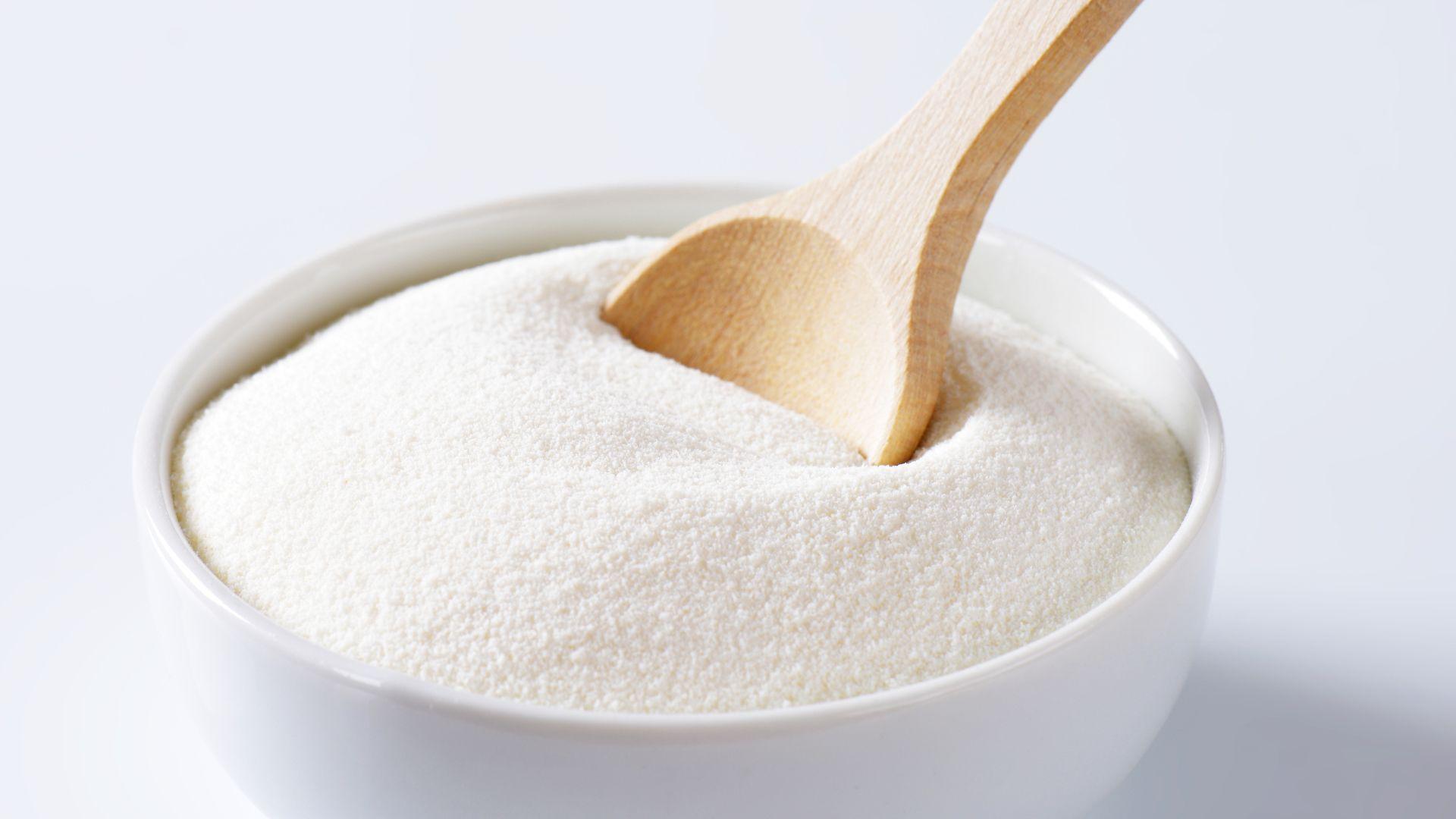
The United States milk powder market is witnessing steady and sustained growth, supported by evolving consumer preferences, expanding industrial food applications, and rising global demand for dairy exports. As food systems shift toward convenience, long shelf life, and nutritional efficiency, milk powder is becoming an increasingly essential ingredient across multiple industries—from infant nutrition to sports supplements and ready-to-eat foods.
According to Renub Research, the U.S. milk powder market is projected to grow from US$ 11.06 billion in 2025 to US$ 16.69 billion by 2034, registering a CAGR of 4.68% from 2026 to 2034. This consistent expansion highlights the resilience of dairy-based ingredients despite competition from plant-based alternatives.
Download Free Sample Report:
https://www.renub.com/request-sample-page.php?gturl=united-states-milk-powder-market-p.php
What is Milk Powder and Why It Matters
Milk powder is a dehydrated form of milk created by removing water through evaporation and spray-drying processes. This transformation significantly extends shelf life while preserving essential nutrients such as proteins, calcium, carbohydrates, and vitamins.
Its advantages make it indispensable in modern food systems. Milk powder is lightweight, easy to transport, and does not require refrigeration, making it highly suitable for both domestic consumption and global trade. It is widely used in infant formulas, baked goods, confectionery, beverages, ready-to-eat meals, and dietary supplements.
In an era where food security, storage efficiency, and convenience are paramount, milk powder plays a crucial role in ensuring consistent and accessible nutrition.
Market Dynamics: Key Factors Driving Growth
The U.S. milk powder market is shaped by a combination of consumer trends, industrial demand, and export opportunities. These forces are working together to sustain long-term growth.
Expanding Role in Infant Nutrition
One of the most significant drivers of market growth is the increasing use of milk powder in infant and toddler nutrition. Parents are prioritizing safe, nutrient-rich, and consistent food options for their children, making milk powder a preferred ingredient in infant formula.
Manufacturers rely on high-quality dairy powders such as skim milk powder, whole milk powder, and whey derivatives to ensure balanced nutrition. The rise of specialty formulas—including organic, lactose-reduced, and hypoallergenic options—is further boosting demand.
Additionally, U.S. producers are major suppliers to global infant nutrition markets, strengthening export revenues and reinforcing the country’s leadership in dairy innovation.
Growth in Bakery, Confectionery, and Processed Foods
Milk powder has become a cornerstone ingredient in the bakery and confectionery industries. It enhances flavor, texture, and browning properties while providing better moisture control compared to liquid milk.
As consumer demand for packaged snacks, cakes, chocolates, biscuits, and desserts continues to rise, manufacturers are increasing their use of milk powder to ensure product consistency and longer shelf life.
The growing popularity of ready-to-eat meals and convenience foods is also contributing to higher consumption. Milk powder’s stability and ease of storage make it ideal for large-scale food production and distribution.
Rising Demand in Sports Nutrition and Protein Foods
The rapid expansion of the health and fitness industry is another major growth driver. Milk-derived proteins such as casein and whey are widely recognized for their muscle-building properties and balanced amino acid profiles.
Milk powder is a key ingredient in protein shakes, nutritional bars, meal replacements, and dietary supplements. As more consumers adopt active lifestyles and seek high-protein diets, demand for dairy-based powders continues to grow.
Strong Export Opportunities
The United States is one of the world’s leading exporters of milk powder, supplying key markets in Asia, the Middle East, and Africa. Growing populations, rising incomes, and expanding food industries in these regions are driving demand for imported dairy products.
Technological advancements such as membrane filtration, microencapsulation, and instantization are improving product quality and competitiveness in international markets. These innovations are enabling U.S. producers to maintain a strong global presence.
Technological Advancements Enhancing Product Quality
Innovation in dairy processing is playing a vital role in shaping the future of the milk powder market. Modern techniques are improving solubility, digestibility, and nutritional value.
Key Technological Trends
- Low-heat processing: Preserves protein functionality and enhances nutritional quality
- Instantization: Improves reconstitution in water for better consumer experience
- Microencapsulation: Protects sensitive nutrients and extends shelf life
- Membrane filtration: Enhances purity and consistency of dairy ingredients
These advancements are enabling manufacturers to produce high-performance milk powders tailored to specific applications, from infant nutrition to sports supplements.
Regional Insights: Key State-Level Markets
California: The Dairy Powerhouse
California is the largest dairy-producing state in the United States and a major contributor to milk powder production. Its strong food and beverage manufacturing sector drives consistent demand, while its export infrastructure supports global trade.
However, challenges such as water scarcity, environmental regulations, and rising costs pose constraints on growth.
Texas: A Fast-Growing Dairy Hub
Texas is emerging as a key growth engine for the milk powder market. The state’s expanding dairy production, strong logistics network, and growing food manufacturing sector are driving demand.
Its proximity to Mexico also enhances export opportunities, making Texas a strategic location for dairy processing and distribution.
New York: A Value-Added Dairy Market
New York’s milk powder market is supported by its established dairy farming base and strong food manufacturing industry. The state is a significant producer of value-added dairy products, including skim milk powder used in bakery and specialty foods.
Despite facing high operational costs and regulatory challenges, New York remains an important contributor to the U.S. dairy ecosystem.
Florida: A High-Consumption Market
Unlike other states, Florida relies heavily on imported milk powder due to limited local dairy production. However, strong demand from the foodservice, tourism, and hospitality sectors drives high consumption.
The state’s warm climate and growing population further support demand for shelf-stable dairy products.
Market Segmentation: Diverse Applications and Products
The U.S. milk powder market is segmented across various categories, reflecting its wide range of applications.
By Type
- Whole milk powder
- Skimmed milk powder
- Dairy whitener powder
- Buttermilk powder
- Fat-filled milk powder
By Application
- Nutritional food
- Infant formulas
- Confectionery
- Baked goods
- Savory products
By Geography
- California
- Texas
- New York
- Florida
- Other major states
This segmentation highlights the versatility of milk powder as both a consumer product and an industrial ingredient.
Challenges Impacting Market Growth
While the outlook remains positive, the U.S. milk powder market faces several challenges that could influence its trajectory.
Price Volatility
Fluctuations in raw milk supply, feed costs, transportation expenses, and global trade dynamics create price instability. This volatility makes it difficult for manufacturers to maintain consistent margins and plan long-term strategies.
Competition from Plant-Based Alternatives
The rise of plant-based products such as soy, almond, oat, and coconut powders is reshaping the dairy landscape. Consumers seeking vegan, lactose-free, or environmentally sustainable options are increasingly turning to non-dairy alternatives.
This shift is prompting dairy producers to innovate, improve sustainability practices, and differentiate their products through quality and nutrition.
Environmental and Regulatory Pressures
Dairy production is associated with environmental concerns such as greenhouse gas emissions, water usage, and land management. Increasing regulatory scrutiny and sustainability expectations are adding pressure on producers to adopt greener practices.
Competitive Landscape: Key Industry Players
The U.S. milk powder market is highly competitive, with several major players driving innovation and market expansion.
Key companies include:
- Dairy Farmers of America Inc.
- Darigold
- Cargill Corporation
- The Kraft Heinz Company
- Conagra Brands Inc.
- Land O'Lakes, Inc.
- Schreiber Foods Inc.
- California Dairies Inc
These companies are focusing on product innovation, capacity expansion, and strategic partnerships to strengthen their market positions.
Future Outlook: Stable Growth with Strategic Evolution
The U.S. milk powder market is expected to maintain steady growth over the next decade, supported by strong domestic demand and expanding export opportunities.
Key Future Trends
- Increased demand for functional and fortified dairy products
- Expansion of high-protein and sports nutrition segments
- Greater focus on sustainability and eco-friendly production
- Continued innovation in dairy processing technologies
As consumer preferences evolve, the industry will need to balance tradition with innovation to remain competitive.
Final Thoughts
The United States milk powder market is on a path of consistent growth, driven by its versatility, nutritional value, and critical role in modern food systems. With a projected market size of US$ 16.69 billion by 2034, the industry is well-positioned to adapt to changing consumer demands and global market dynamics.
However, addressing challenges such as price volatility, environmental concerns, and competition from plant-based alternatives will be essential for sustained success. By embracing innovation, expanding global reach, and prioritizing sustainability, the U.S. milk powder industry can continue to thrive in an increasingly competitive landscape.
 English
Join our community to interact with posts!